
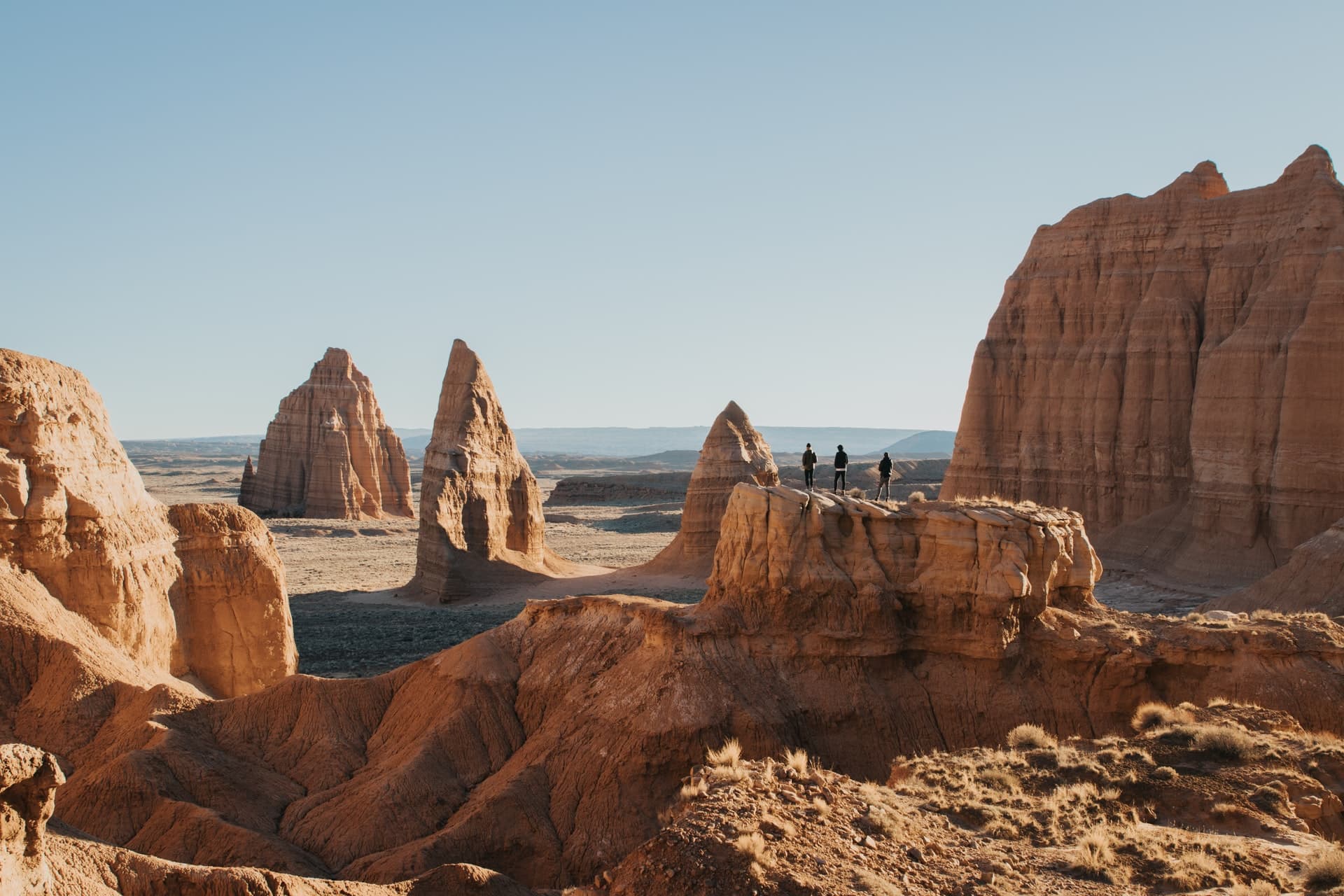
It doesn’t matter if you’re headed West, Midwest or to the East Coast—there’s profound beauty to explore in every US national park. Mountains, waterfalls, caves, volcanoes, rainforests, and grasslands are some of the diverse environments you’ll get to experience along the way.
I’ve organized these national parks by region to help you plan the ultimate national park road trip. Whether you plan on traveling for just a few days or for much longer, there’s a national park road trip for everyone here.
Pacific Northwest National Parks Road Trips
The stunning Pacific Northwest has four national parks to explore. You can link all four parks together over two weeks, or visit each one individually. All three Washington parks are also within a few hours of each other, so it’s easy to link these national parks together too.
There’s so much to explore here, and there’s a variety of lodging and camping options at each of these national parks. Read on to learn more about these national parks highlights.
Crater Lake National Park
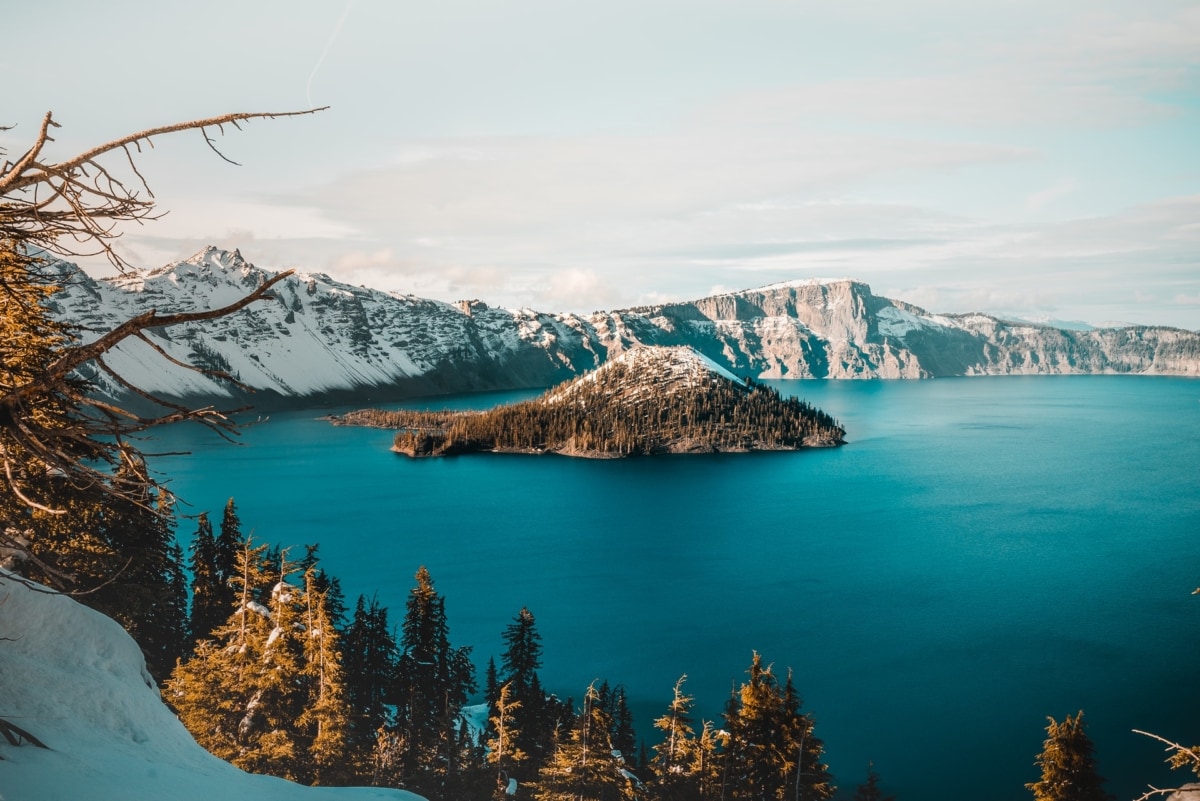
Crater Lake National Park is home to the deepest lake in the United States, reaching a depth of almost 2,000 feet. It also has some of the clearest water in the country.
If you want secluded lake life, this is the place to be. Located in Southern Oregon, the best time to visit Crater Lake National Park is from spring to fall. Winter offers white-capped landscapes, but many park roads close due to snow. I recommend at least two days to fully experience Crater Lake National Park.
Hike the Cleetwood Cove Trail down to the lake and go for a swim. Enjoy scenic views from the pullouts on Rim Drive. Hike up Scott Peak for impressive vistas, and reserve a boat tour to explore Wizard Island.
There are minimal services in and around the park, so fuel up your car before entering Crater Lake National Park. If you want to stay in a hotel within the park, check out Crater Lake Lodge. There are also cabins and other accommodations available nearby, or you can camp. Outside of the park, there are minimal accommodation options. Dispersed camping is allowed in Umpqua National Forest.
North Cascades National Park
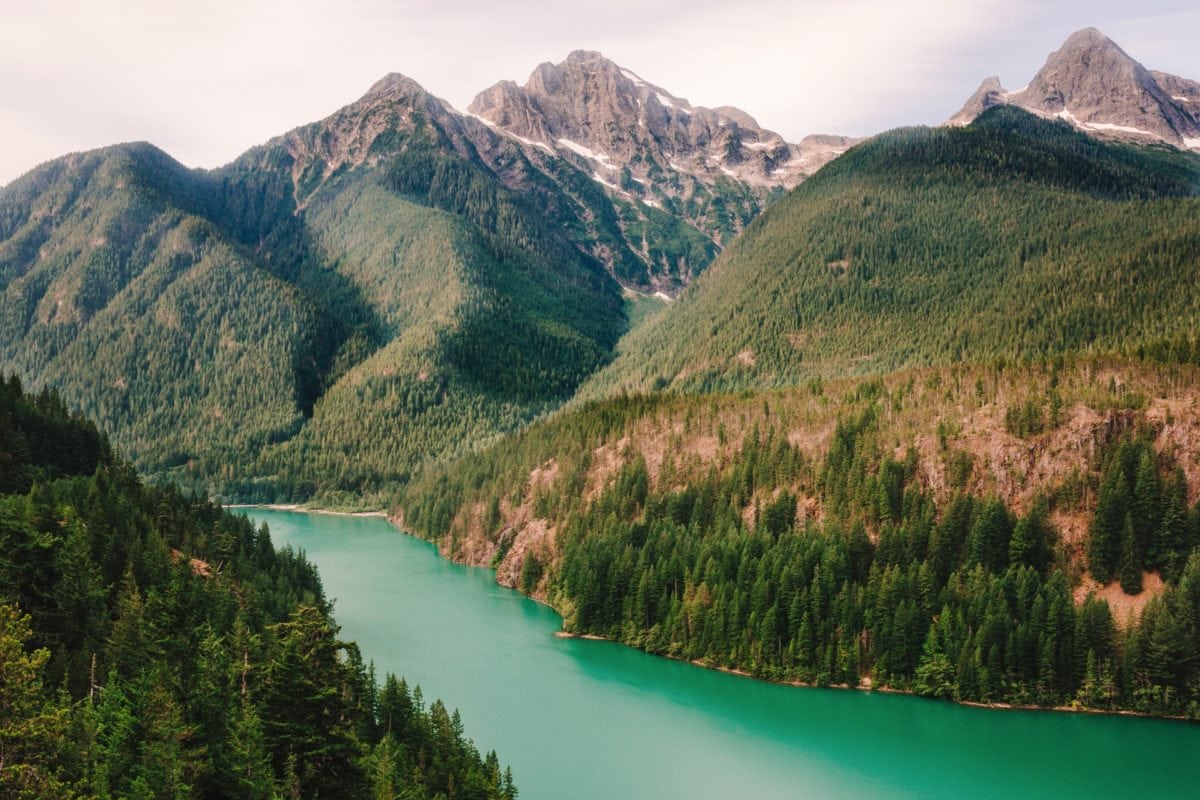
Washington’s North Cascades National Park, also known as the “American Alps,” is one of the least visited parks in the country—and yet it’s also one of the most strikingly beautiful. Located in the northern park of Washington, this glacially carved range is covered with snow-topped peaks with water flowing down into alpine lakes, rivers, and valleys. Drive the scenic highway, hike up to Cascade Pass, or stop by Diablo Lake Vista.
The park is beautiful year-round but most accessible in the summer and early fall before it snows. North Cascades Highway is generally open from June to November, which is the main road to access most of the park.
Although you can drive through the park and go on a short hike in a day, if you want to get off the beaten path you’ll need a few days here. North Cascades National Park has extensive backcountry areas which require a few days of visiting to truly dive into.
There are lodging options in the park and along the highway, as well as just outside the park. There are also some drive-in campgrounds and plenty of dispersed camping in the surrounding national forests.
Olympic National Park
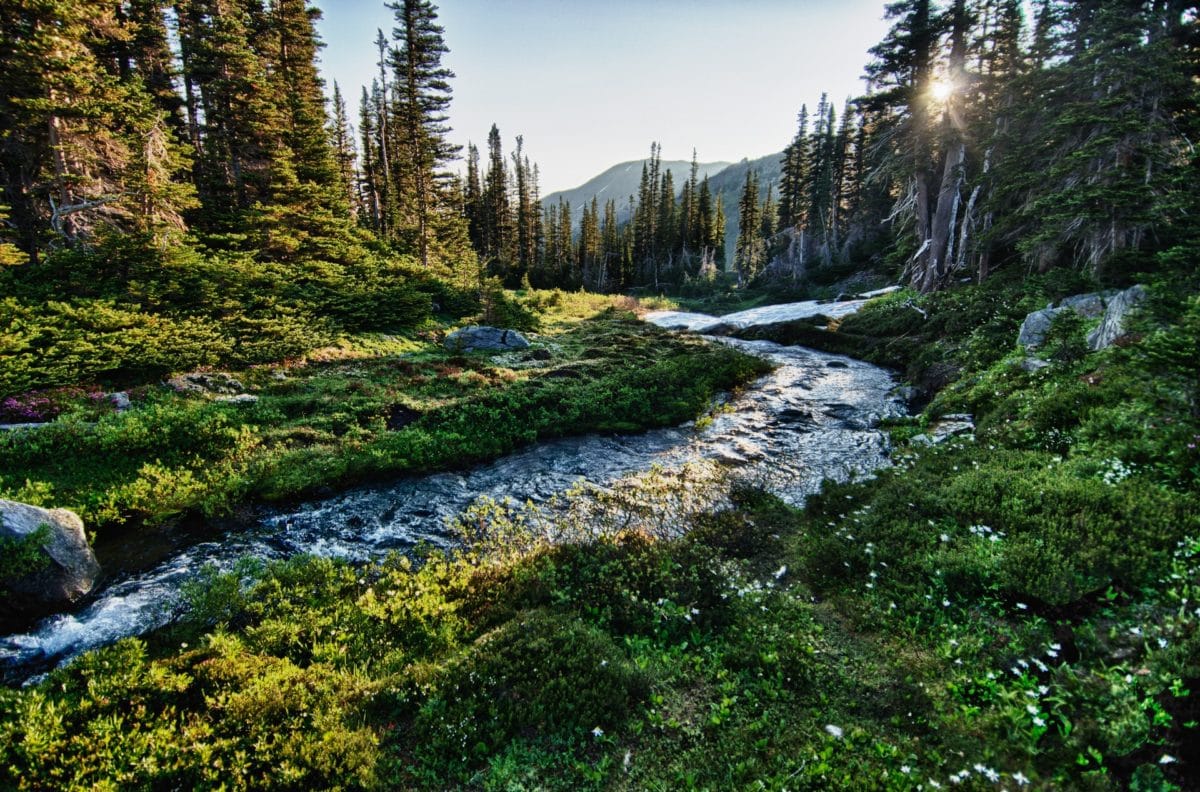
Located on Washington’s northwest peninsula, Olympic National Park is famous for its diverse ecosystems ranging from high mountains peaks topped with glaciers, lush rainforests, and rocky coastal beaches.
With varying environments and so many things to do, you’ll want a few days to explore this park. If you’re limited on time at least spend a morning watching the sunrise from Hurricane Ridge, hike the Hoh Rainforest Loop to check out the flourishing forest, and spend an evening watching the sunset at Rialto or Ruby Beaches.
You can visit Olympic National Park year-round from spring through fall for the best weather. Winter is typically rainier and snowy at high elevations.
The park layout is different than other national parks. Many towns are within the park area and offer plenty of accommodation options, including small inns and hotels. There are also numerous campgrounds throughout Olympic National Park.
Mount Rainier National Park
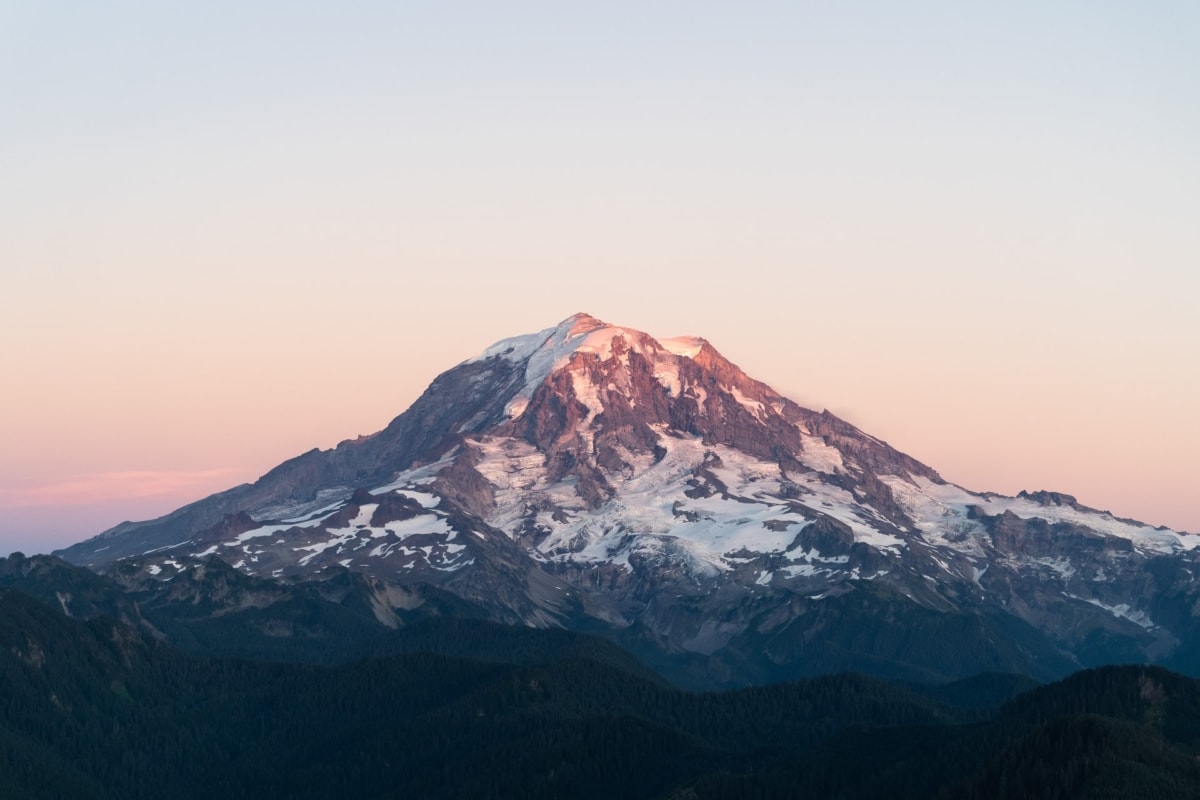
Mount Rainier National Park is located in west-central Washinton and is home to the tallest cascade volcano, Mount Rainier. The best time for you to visit is from late spring to early fall. If you want to experience vivid carpets of wildflowers, visit in July and August—otherwise, peak fall foliage is from late September to mid-October.
It’s worth spending two or three days at Mount Rainier National Park. While visiting the park, don’t miss hiking the Skyline Trail and Tolmie Peak Lookout. Catch views of Mount Rainier’s glaciers at Paradise, and make sure you stay late enough for a bit of stargazing.
You can book a hotel or stay at one of the inns, or find an Airbnb in any of the surrounding towns. There are three auto campgrounds in the park and plenty of dispersed camping in the surrounding national forests.
California National Park Road Trips
I might be a little biased because I live here, but California is a great state to go on a national park road trip. There are so many incredible sites to see, ranging from the desert in Southern California, the Sierra Mountains in Central California, up to the Cascades in Northern California.
The size of California is important to understand. It’s an incredibly large state and has some big national parks that take a few days to check out. Visit these national parks individually, or if you have a few weeks to check several of them them out, link them together in one California road trip.
Yosemite National Park, Sequoia National Park, and Kings Canyon National Parks are all located closest together. If you have a week, it would work out great to visit those three national parks together. But if you want to knock all of these California national parks off your bucket list, I’d recommend at least three weeks to dive in. You can use my West Coast road trip itinerary for guidance.
Lassen Volcanic National Park
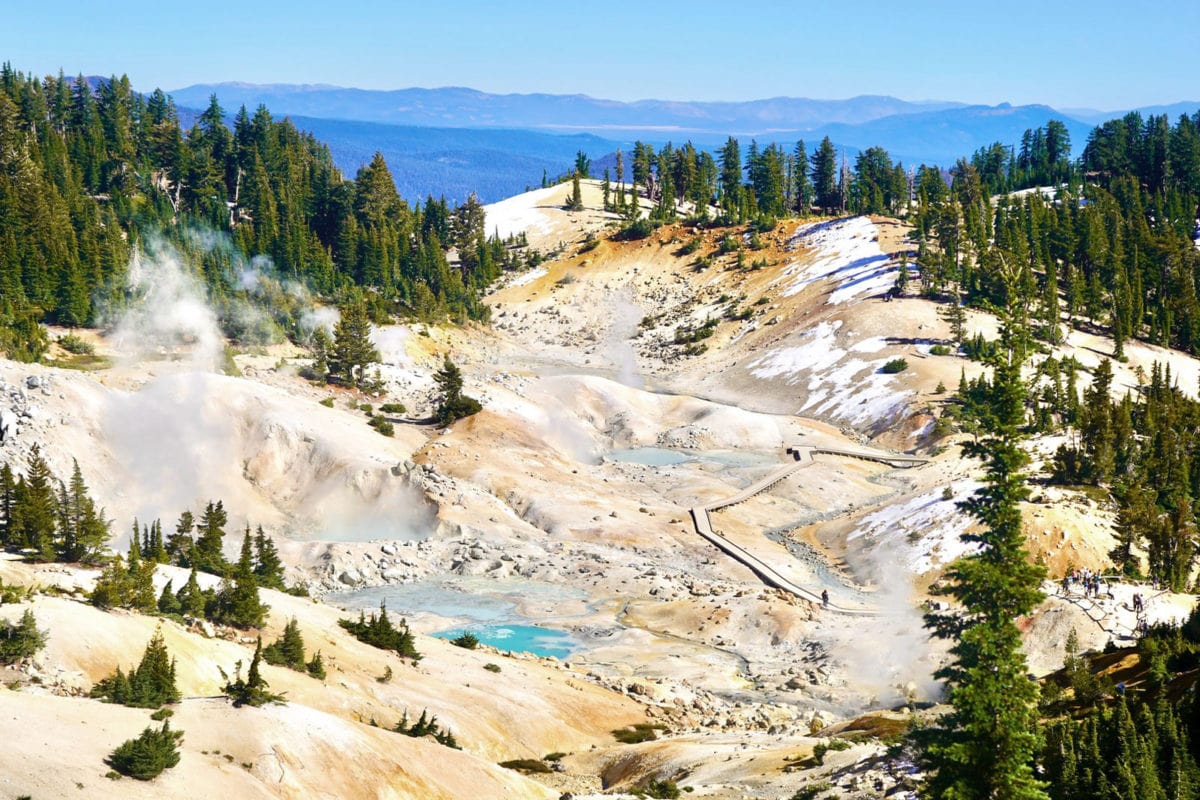
Explore the bubbling pools, mud pots, and vent steams at Lassen Volcanic National Park located in the central northern part of California, at the start of the Cascade Mountain Range.
Lassen Volcanic National Park is best to visit from the late spring through fall. Once it starts snowing, many park roads close.
I recommend at least two days in Lassen. If you visit in winter, join a ranger-led snowshoe tour. When it’s warmer and the snow has all melted, hike up Mount Lassen, walk around Manzanita Lake, trek up to the Cinder Cone, or drive through the park for more scenic views.
There are a few campgrounds in the park, as well as a ranch-styled hotel and cabins available for booking. You can check Booking.com for other lodging accommodations around the park in nearby towns.
Joshua Tree National Park
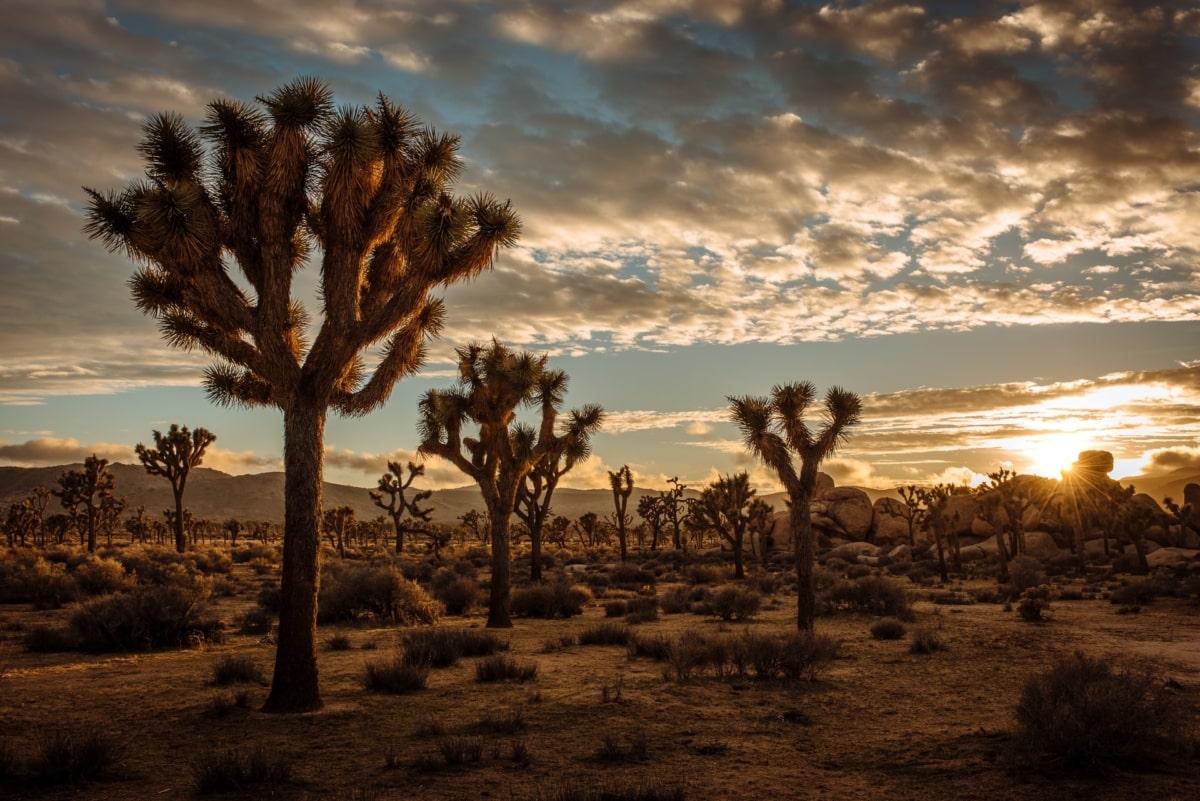
Joshua trees, rugged mountains, desert vistas, and gigantic rocks all make up Joshua Tree National Park. There’s tons to do here. Located in the Mojave and Colorado deserts in Southern California, Joshua Tree is ideal to visit from October to April for the most comfortable temperatures.
Hike up Ryan Mountain for sweeping views overlooking Joshua Tree National Park, drive up to Keys View for an impressive viewpoint, wander through the Cholla Cactus Garden, and visit Barker Dam. If you want to do more hiking, here’s a list of fantastic hikes in Joshua Tree.
While there are no hotels in Joshua Tree National Park, the camping in the park is incredible for a chance to see the Milky Way. If camping doesn’t suit your fancy, there are plenty of hotel accommodations in the towns surrounding Joshua Tree National Park.
While it’s possible to visit some of Joshua Tree National Park’s highlights in a day, I’d stay at least one night to enjoy the clearest skies for skygazing in Southern California. If you have longer, you won’t regret hiking in the park and relaxing in the evenings when visiting Joshua Tree. I wrote a whole article about road tripping around Joshua Tree to help you plan better.
Yosemite National Park
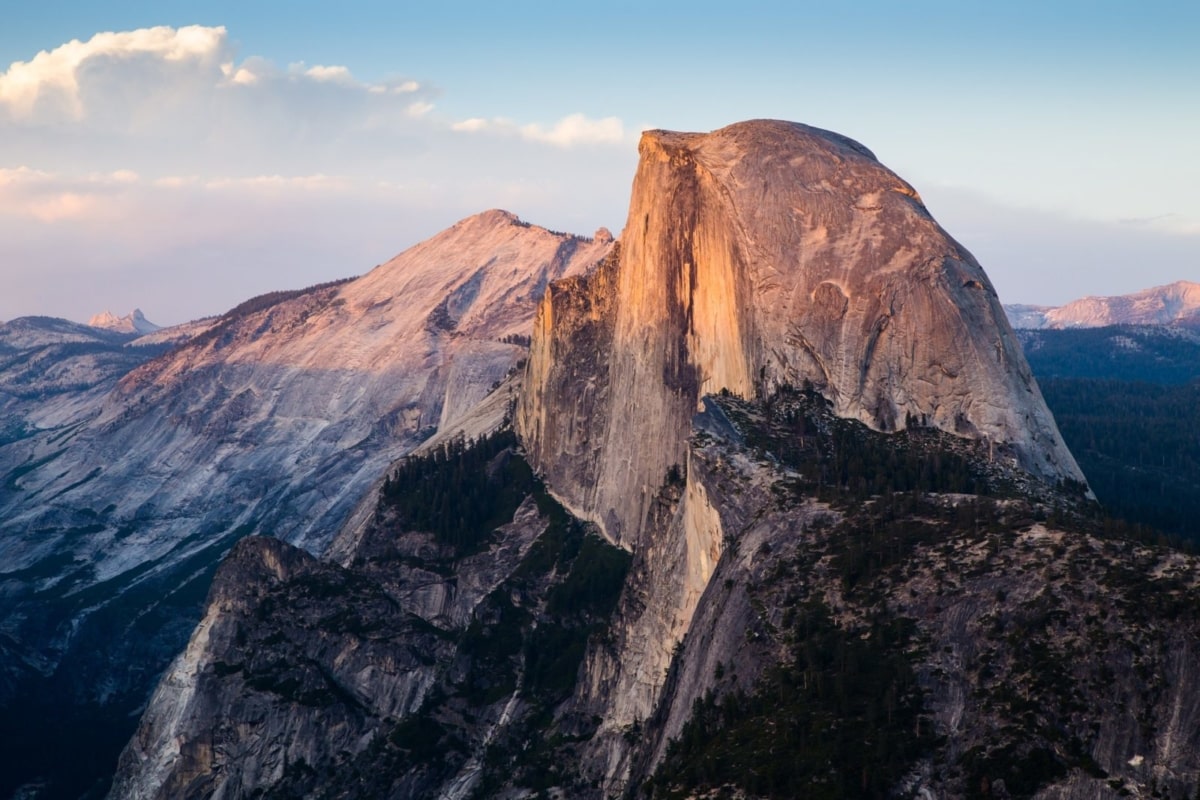
A glacier-formed valley, round domes, jagged mountain peaks, alpine lakes, and roaring waterfalls are just a few highlights awaiting you at Yosemite National Park.
There’s so much to see and do at Yosemite National Park—I highly recommend spending at least three days here. Spend one day exploring the valley and another visiting the Giant Sequoias at Mariposa Grove, and then head over to Glacier Point for sunset. Spend your third day in Yosemite National Park driving and hiking along Tioga Pass in the high country.
While most people visit Yosemite National Park between Memorial Day and Labor Day, the park gets pretty crowded. For rushing waterfalls, visit in the early spring. For fall foliage you should visit in October, and to enjoy the tranquility of the valley covered in snow, visit the park in the winter.
There are hotel options both inside and outside of Yosemite National Park, as well as campsites and options for glamping. Check out The Ahwahnee for a luxury stay, or head over to my article about where to stay in Yosemite for even more options.
Death Valley National Park
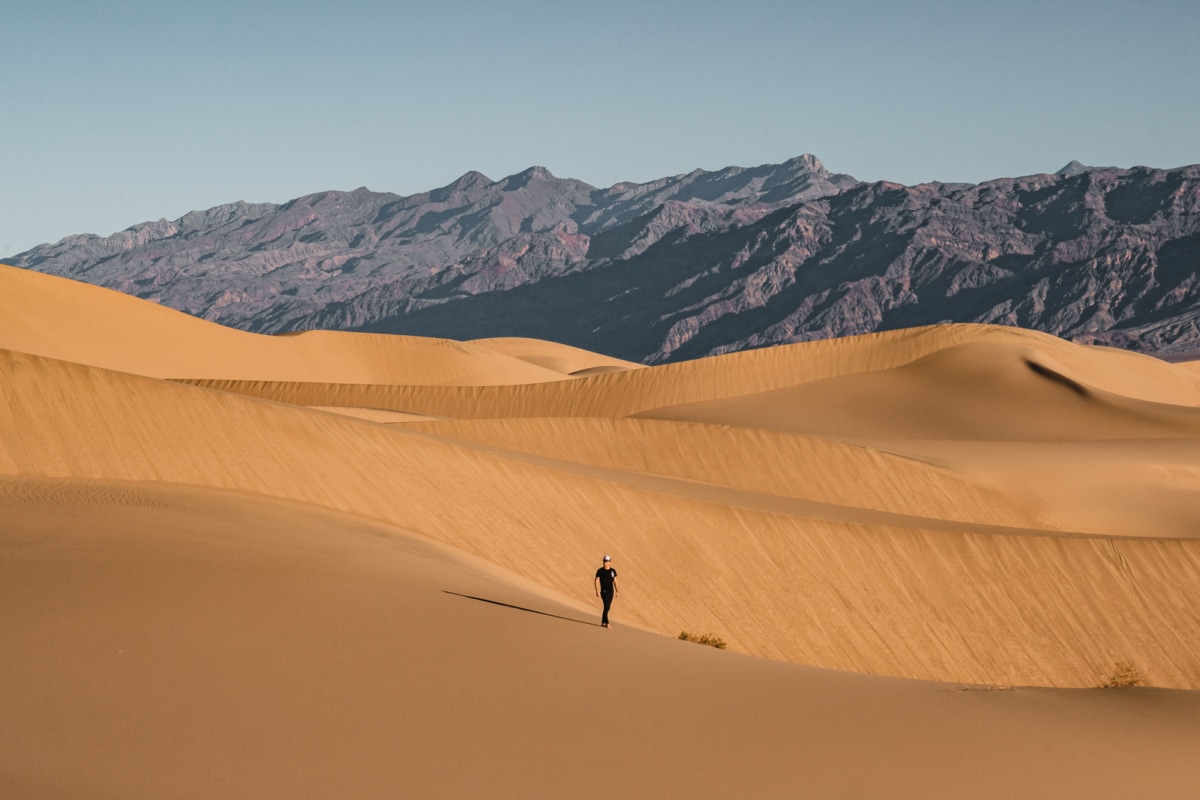
Death Valley National Park is known as the hottest, driest, and lowest national park in the US. While visiting, you should check out Badwater Basin, the lowest point in North America. Hike among the Artists Pallete Painted Hills, run through the Mesquite Sand Dunes, and catch a sunset at Zabriskie Point.
Death Valley is known for the hottest temperatures in the country so it’s best to visit Death Valley National Park from mid-October to April.
From the low-lying valley to the towering mountain peaks, there are plenty of things to explore in Death Valley National Park. The park is laid out to easily drive everywhere, so spend at least two days traveling around. If you have an off-road vehicle, spend an extra day driving out to Sailing Stones. Check out my three-day Death Valley road trip itinerary for more inspiration!
Death Valley National Park is very remote, so fuel up before you enter, bring extra food and water, and don’t count on any cell reception. Death Valley has limited hotel options in the park itself but there are plenty of places to camp, and it’s very easy to park a camper or van in a pull-out and crash there.
Sequoia National Park
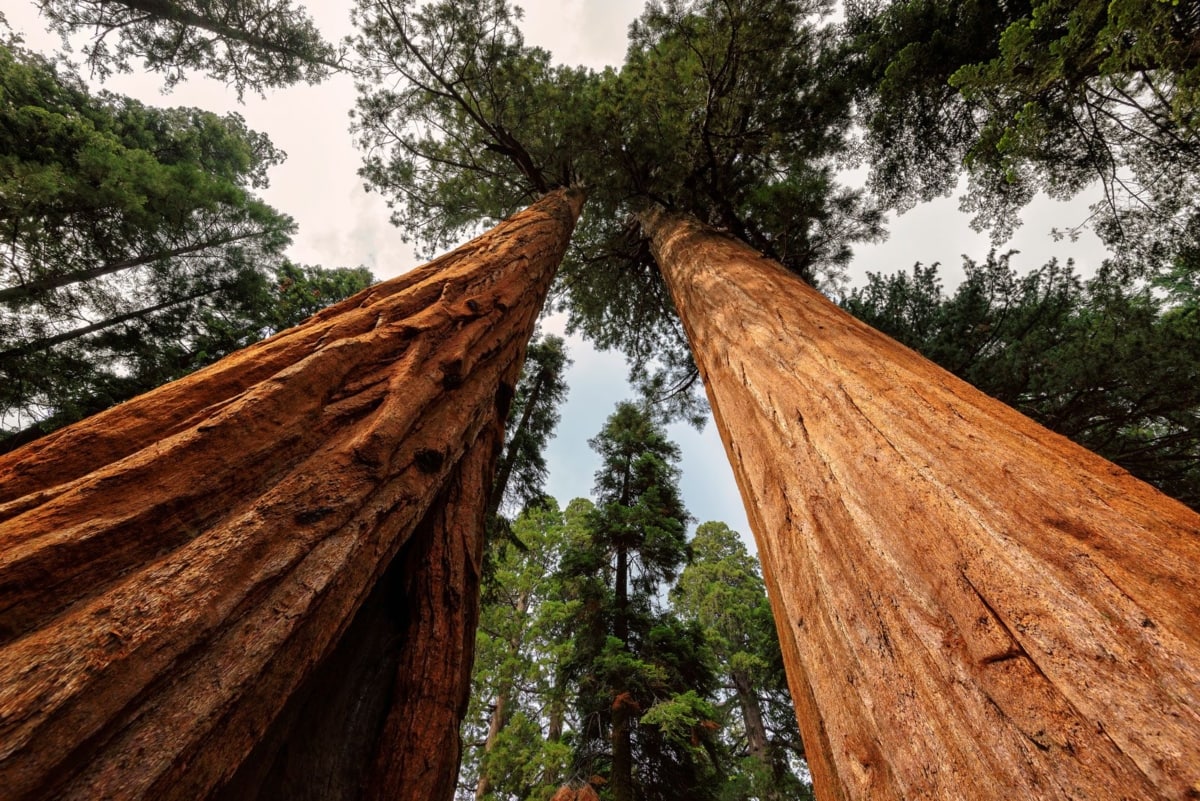
Home to the largest trees in the world, the highest mountain in the 48 states, and numerous alpine lakes, you’ll definitely want Sequoia National Park on your itinerary when you’re traveling through California.
Stand in awe under General Sherman (the world’s largest tree by volume), hike up Moro Rock for spectacular panoramic vistas, or plan a backpacking trip to the vast wilderness of the Sierra.
It’s possible to visit the main parts of Sequoia National Park in a day but if you plan to do any long hikes, you’ll need additional time. Sequoia National Park also connects to Kings Canyon National Park so you’ll want to check that out too.
With varying elevations creating many ecosystems throughout the park, Sequoia is a great park to visit at any time of year. During the summer, spend time at higher elevations in the mountains. In the spring and fall, you’ll have great weather for lots of hikes. In the winter, walk amongst the gigantic trees after a fresh snow.
There are both front-country and backcountry campgrounds throughout the park but they book up quickly. The Wuksachi Lodge is a lovely place to stay in the park, and there are hotel and private accommodations available outside the park in Three Rivers.
Kings Canyon National Park
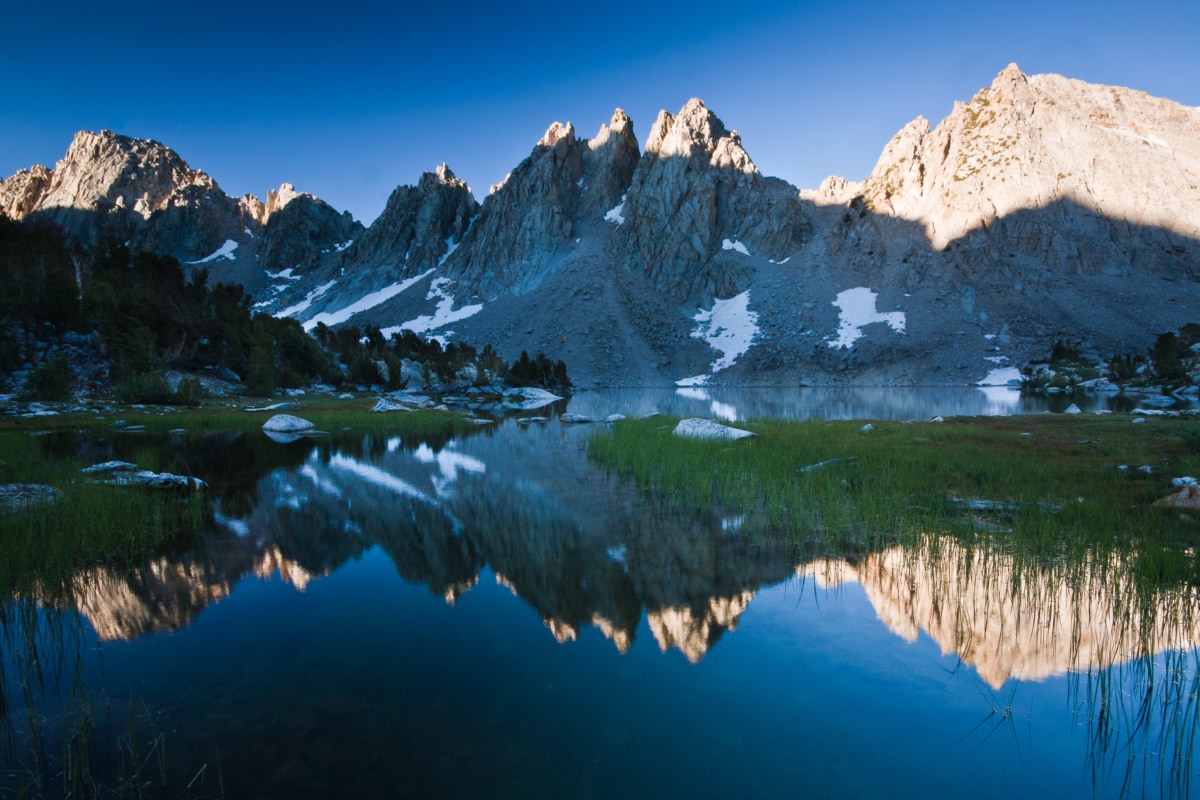
Kings Canyon National Park borders Sequoia and is an easy visit while you’re in the Sierra Nevada Mountains. Believe me, it’s worth it. Kings Canyon is also home to many giant sequoias, including Redwood Canyon, the largest remaining Sequoia Grove in the world.
With just one main out and back road running through the park, it’s possible to visit Kings Canyon in a day if you’re pressed for time and don’t want to backpack. But to fully explore this park, a backpacking trip is the best option.
The main road through the park closes in the winter so it’s best to visit from late spring to early fall. There are a few lodging options in the park (and outside the park) as well as campsites, but book them early!
Southwest National Park Road Trips
The Big 5 Utah National Parks and the Grand Canyon are all located close together in Southern Utah and Northern Arizona. They’re naturally a great option for your national park road trip.
Some of these parks can be visited in a day, but for some of them, you’ll need at least three days to explore all the natural wonders they offer.
If you plan to check out all the national parks at once, I’d recommend at least one to two weeks to fully experience them on a Utah road trip. Otherwise, it’s possible to link the closest ones.
Zion National Park and Bryce Canyon National Park are only two hours from each other, and they’re commonly visited together. The Grand Canyon is only two hours south of Zion and is a great addition to that trip. Canyonlands National Park and Arches National Park are less than an hour from each other, so they’re also worth visiting together.
All these national parks have a variety of accommodation options and things to do, so check out the following highlights for the best national park road trip.
Grand Canyon National Park
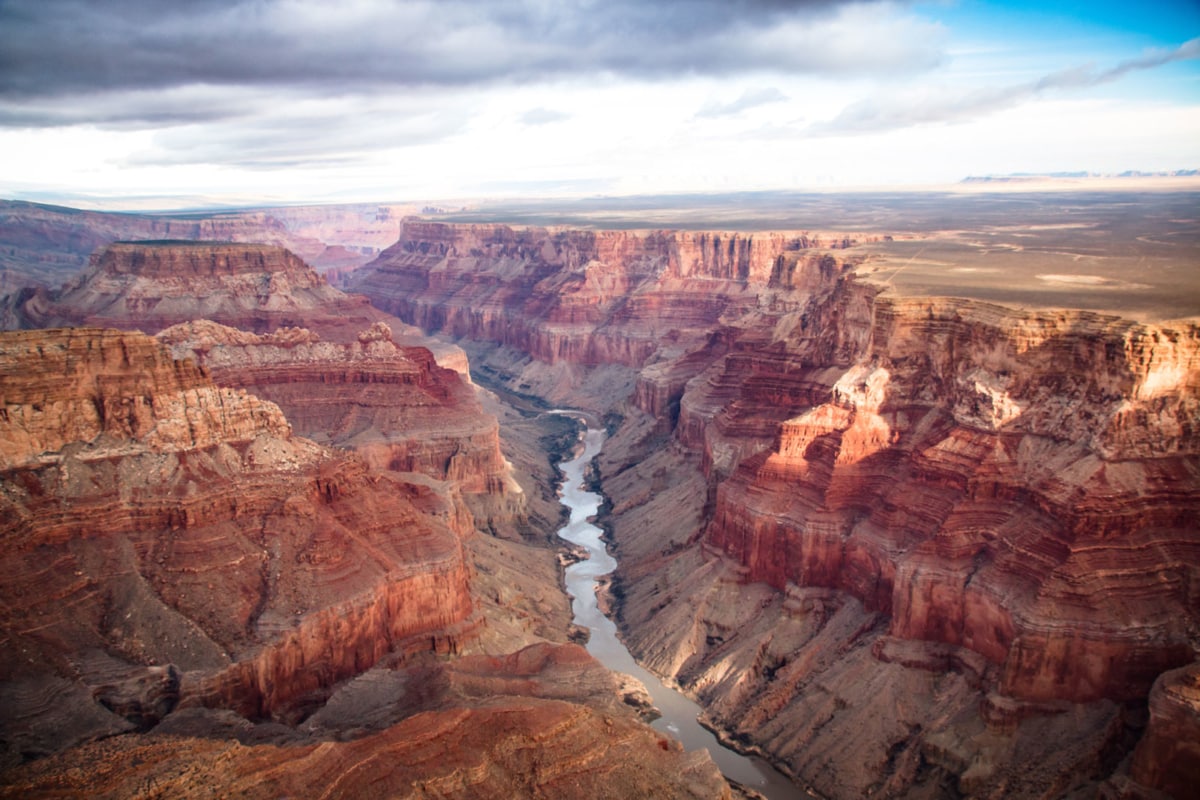
One of the seven wonders of the world, Grand Canyon National Park is a can’t-miss spot on a southwest road trip. If you only have a day, definitely visit the South Rim of the park and walk the scenic paved trail along the rim. If you want to hike down into the canyon, hike a mile or two along the Bright Angel Trail.
If you want to be fully immersed into Grand Canyon National Park, you’ll need a few days to fully explore it. Hike the Rim to Rim Trail down into the canyon and back up, or check out the park from both the North and South Rim. Whatever you do, be sure to catch a sunrise or sunset over the canyon; it brings out the best colors in the layers of rock.
It’s possible to visit Grand Canyon National Park at any time of year, but spring and fall offer the best weather for hiking. In the winter, you should prepare for snow. In the summer, plan for very hot temperatures and limit your activity outside.
When visiting Grand Canyon National Park there are a variety of hotel options located near the South Rim. If you plan to camp, there are designated campgrounds in the park or a variety of primitive camping options near the North Rim.
Zion National Park
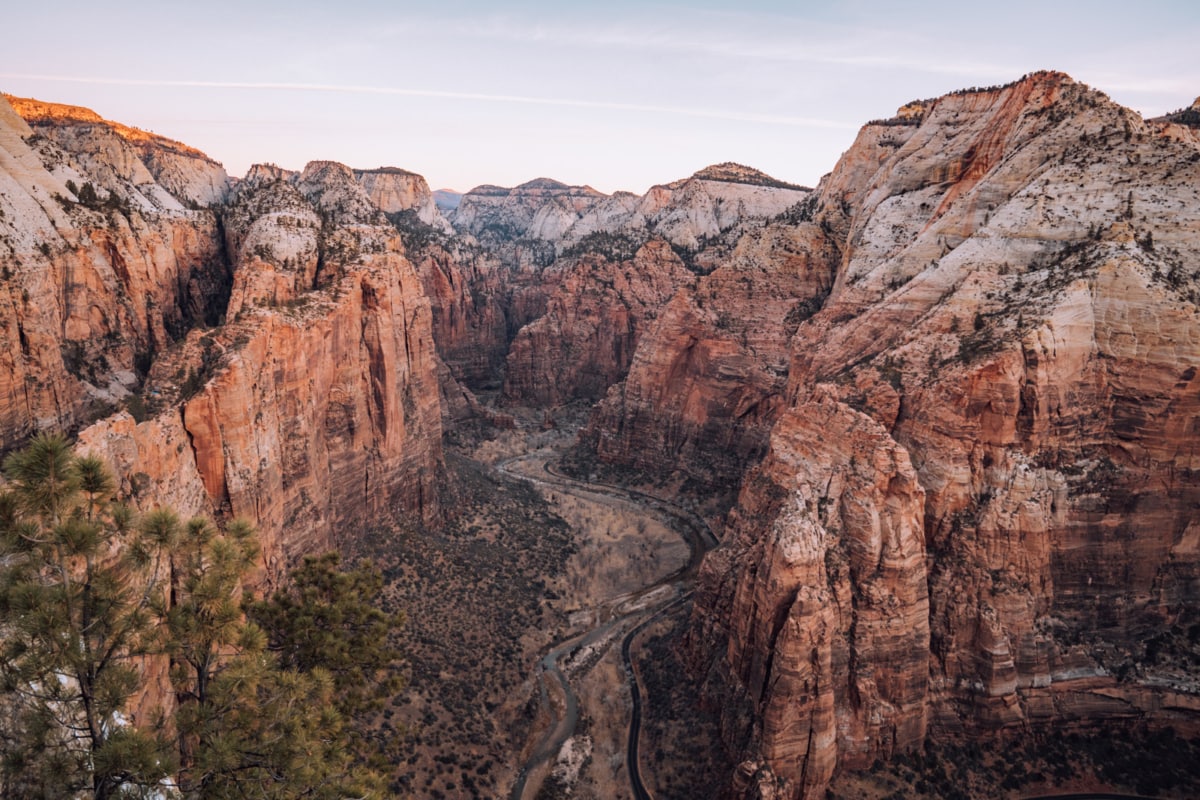
Zion Natural Park is Utah’s most visited national park, and it might have something to do with the fact it’s home to some of the tallest sandstone cliffs in the world. They naturally frame the park’s deep, stunning canyon.
Visit Zion in the late spring or early fall for the best temperatures for hiking. I’d avoid summer because it’s so hot. Winter can be nice, but plan for the cold and snow.
Sitting in the southwestern corner of Utah, you’ll need at least three days to fully experience Zion National Park. Hike the Narrows, hike along a narrow chain-link path to the summit of Angels Landing, or visit the Emerald Pools. I also suggest driving the Zion Canyon Scenic Drive and looking out for wildlife like mule deer and bighorn sheep.
The Zion National Park Lodge is the only hotel in the park; however, there are plenty of hotel options right outside the park in Springdale. Kanab is also a popular town to stay but it’s a bit farther out. There are a few established campgrounds inside and outside the park, as well as dispersed camping on the surrounding public land.
Bryce Canyon National Park
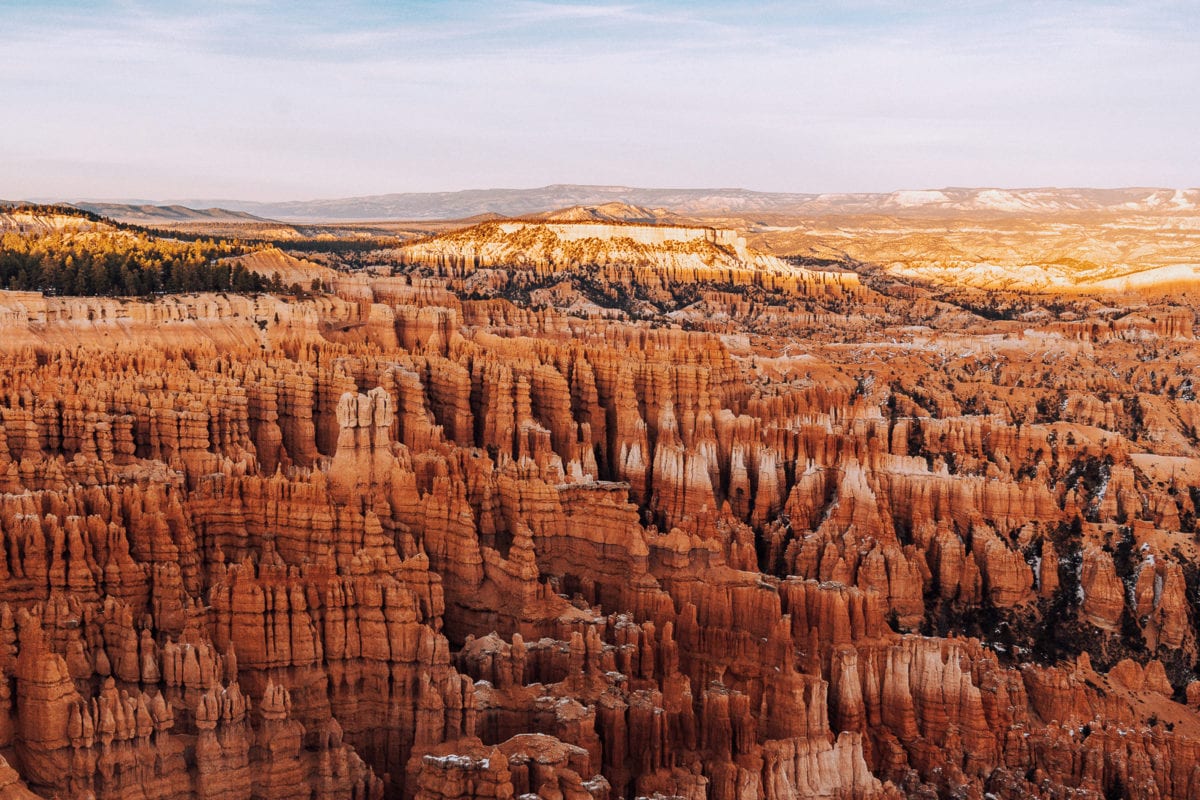
Bryce Canyon National Park is famously known for its unique geological formation: the hoodoo. It’s home to the largest concentration of hoodoos on earth, carved out by erosion. Amphitheaters are filled with hoodoo spires, walls, and windows ranging in colors from bright oranges to deep reds, to bright whites.
Bryce Canyon National Park is a smaller park, so you can see the highlights in a day; however, there’s always plenty to explore if you have more time. My favorite hike is the 8-mile Fairyland Loop Trail where you can walk amongst the hoodoo towers and get a feel for the park. It also passes by Sunrise Point and Sunset Point, two must-visit viewpoints for obvious reasons.
The park has a simple layout with one main road running through it. You can easily drive through and stop at many viewpoints, or if it’s crowded, hop on the park shuttle at the visitor center.
Compared to other Utah parks, Bryce Canyon National Park is a great option to visit in the summer; it’s located at higher elevations and therefore has cooler temperatures.
The Bryce Canyon Lodge is the only hotel accommodation in the park, otherwise, just outside the entrance in the town of Bryce, you can find a place to stay. There are two campgrounds in the park, many sites are first come first served or there are additional campgrounds outside the park. There are some areas to car camp outside the park but can take a bit to find.
Arches National Park
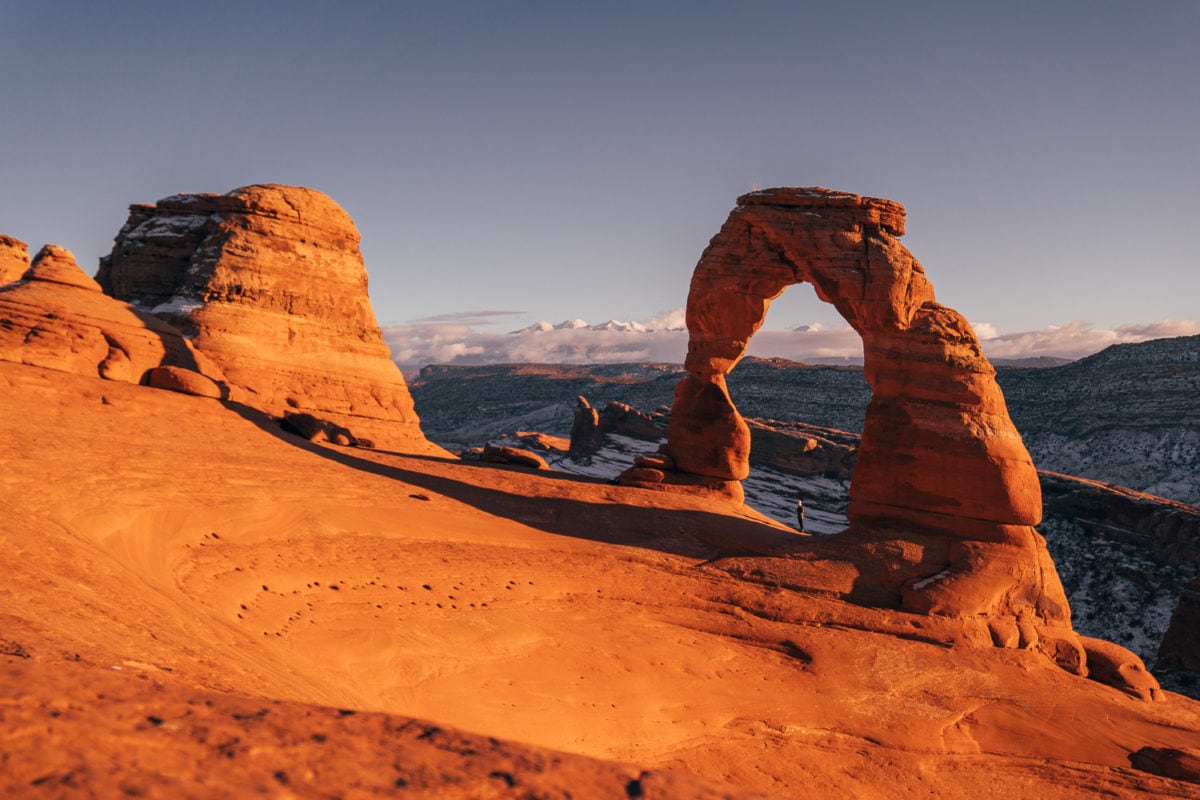
Arches National Park is located in central-eastern Utah and is home to the world’s densest concentration of natural stone arches. With the blisteringly hot summer heat, it’s best to visit Arches National Park in the spring or the fall. It’s less crowded in the winter, but it does snow in the desert, so dress warmly.
It’s possible to see Arches National Park highlights in a long full-day trip, but the extra time allows you to go on longer hikes. Don’t miss Delicate Arch, Balanced Rock, Double Arch, and Fiery Furnace. The park has plenty of pull-outs and hiking trails along the main out and back route running it.
Arches get very crowded during the middle of the day so plan to arrive early. Devils Garden Campground is the only campground in the park but there are plenty of primitive camping areas on the BLM land surrounding the park.
For hotel and accommodations, book a place in Moab. This quaint town is located just south of the park and has a fun downtown with plenty of shops, restaurants, and cafes to enjoy.
Canyonlands National Park
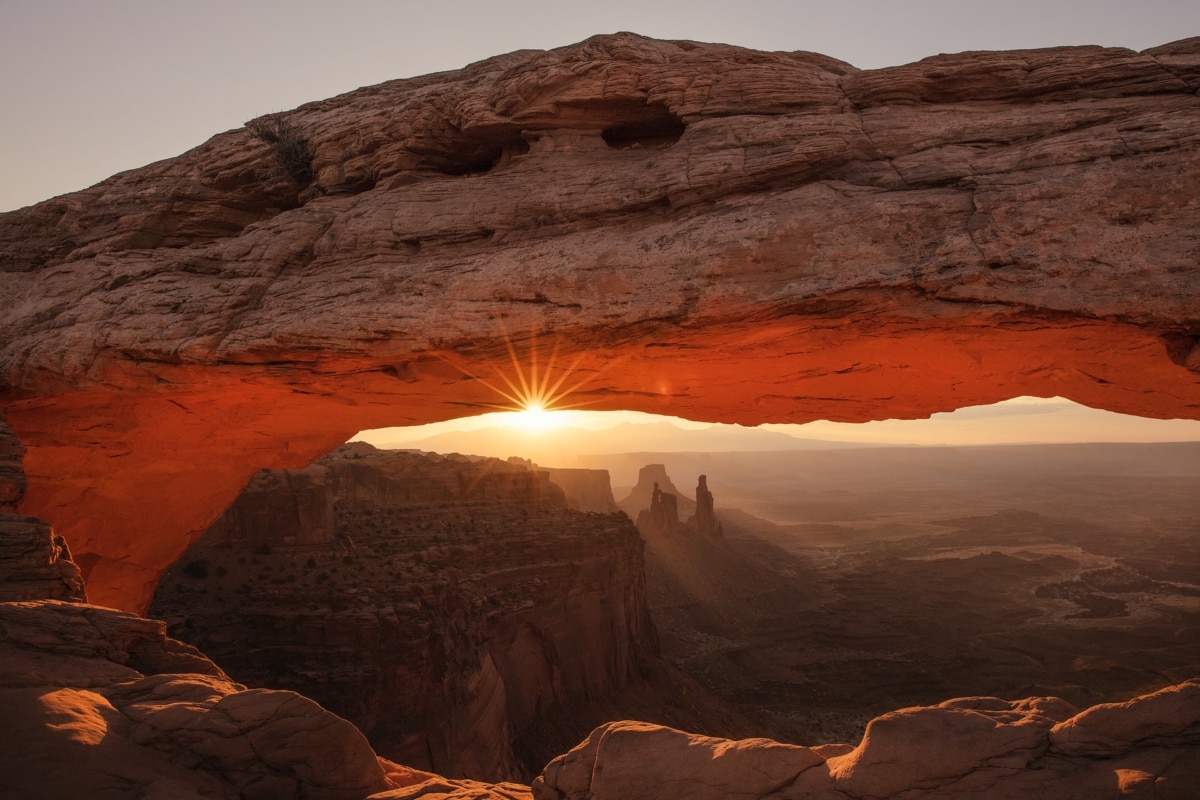
Another central-eastern Utah National Park, Canyonlands is known for its massive mesas, buttes, spires, arches, and canyons. Canyonlands National Park is the largest park in Utah and it’s divided into three sections: Island in the Sky, The Maze, and The Needles.
If you only have one day in the park, check out Island in the Sky. Visit the Grand View Point for sweeping vistas overlooking layers of canyons carved out by the Colorado and Green Rivers. Take a short hike to Mesa Arch and hike out to Buck Canyon Overlook.
If you have more than a day, wander through the massive sandstone spires, The Needles. It’s easy to get lost in these for hours. If you have a high clearance vehicle, get lost in trail-less canyons in The Maze.
April to May and September to October offer the most comfortable temperatures in Canyonlands National Park.
There are no hotels in the park, so like Arches, Canyonlands National Park is located just north of Moab, so I recommend booking a hotel there for a few nights. There is one campground in the Island in the Sky district and one in the Needles district in addition to plenty of backcountry camping and primitive camping on the surrounding BLM (Bureau of Land Management) land.
Capitol Reef National Park
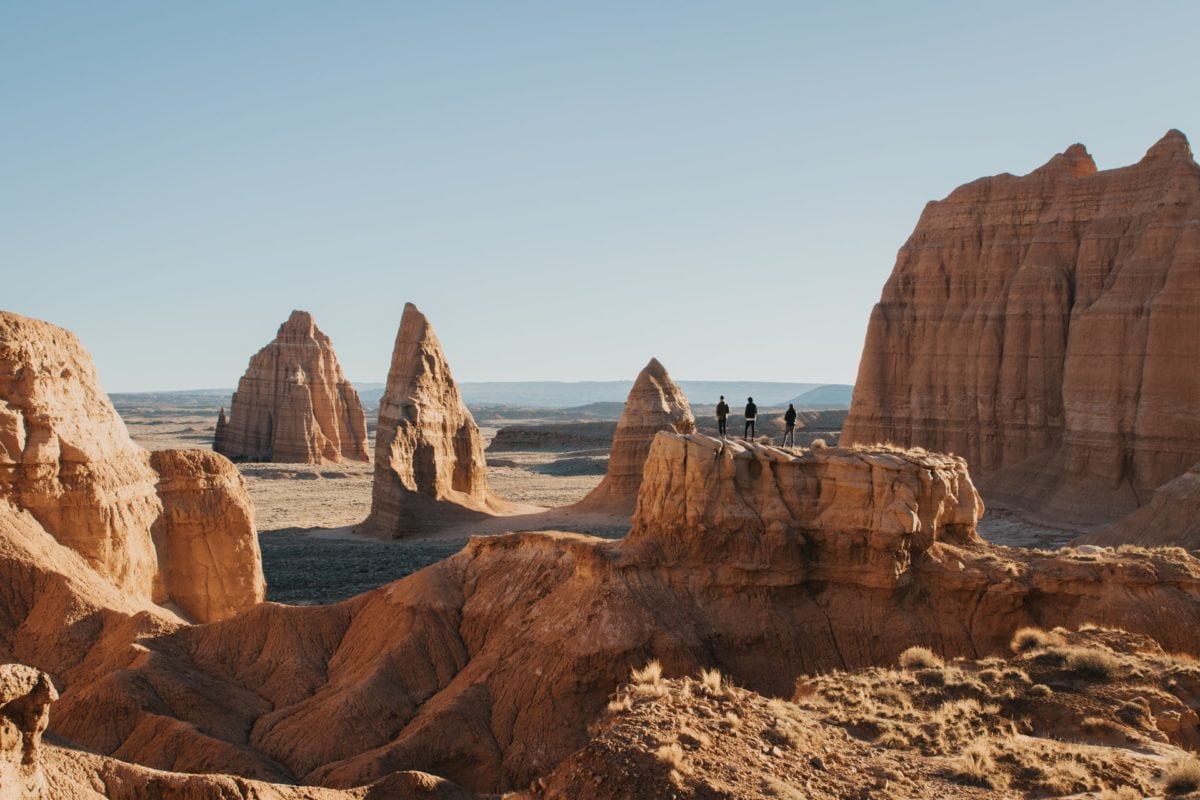
Canyons, cliffs, domes, bridges, and the famous water pocket fold all make up the diverse desert landscape in Capitol Reef National Park. Sitting in south-central Utah, Capitol Reef National Park has the most moderate temperatures in spring and fall. Summers are hot, and winters are cold and sometimes snowy.
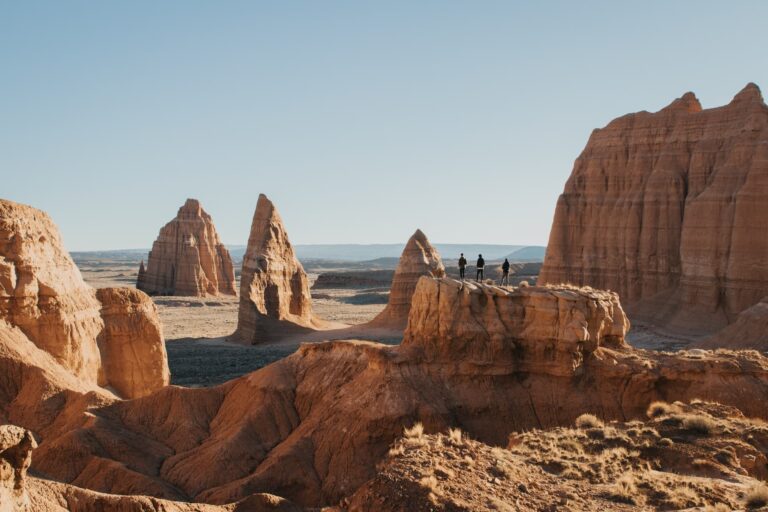
While it’s possible to see a lot in one day at Capitol Reef National Park, it’s best to spend 2-3 days here. Check out Cassidy Arch, the Hickman Natural Bridge, Cathedral Valley, and drive the Capitol Reef scenic drive.
While there is no lodging directly in the park, there are some hotels, ranches, cabins, and Airbnbs within a quick drive of Capitol Reef National Park. There are also a few established campgrounds both in and outside of Capitol Reef as well as plenty of areas for dispersed camping.
Rockies National Parks
The Rocky Mountains Range is home to four stunning national parks running through Montana, Idaho, Wyoming, and Colorado.
Each of these four parks are big, and each one requires at least three days to fully experience them. Check out these national parks on one long 2-3 week road trip or each one individually to dive in.
Yellowstone and Grand Teton national parks are connected, so it’s easy to spend a few days to a week visiting this area. Glacier is a few hours north, so if you have the time, a scenic highway runs up north and is worth the addition to the trip.
Rocky Mountain is a bit farther south so it’s easiest to visit that park on its own.
Rocky Mountain National Park
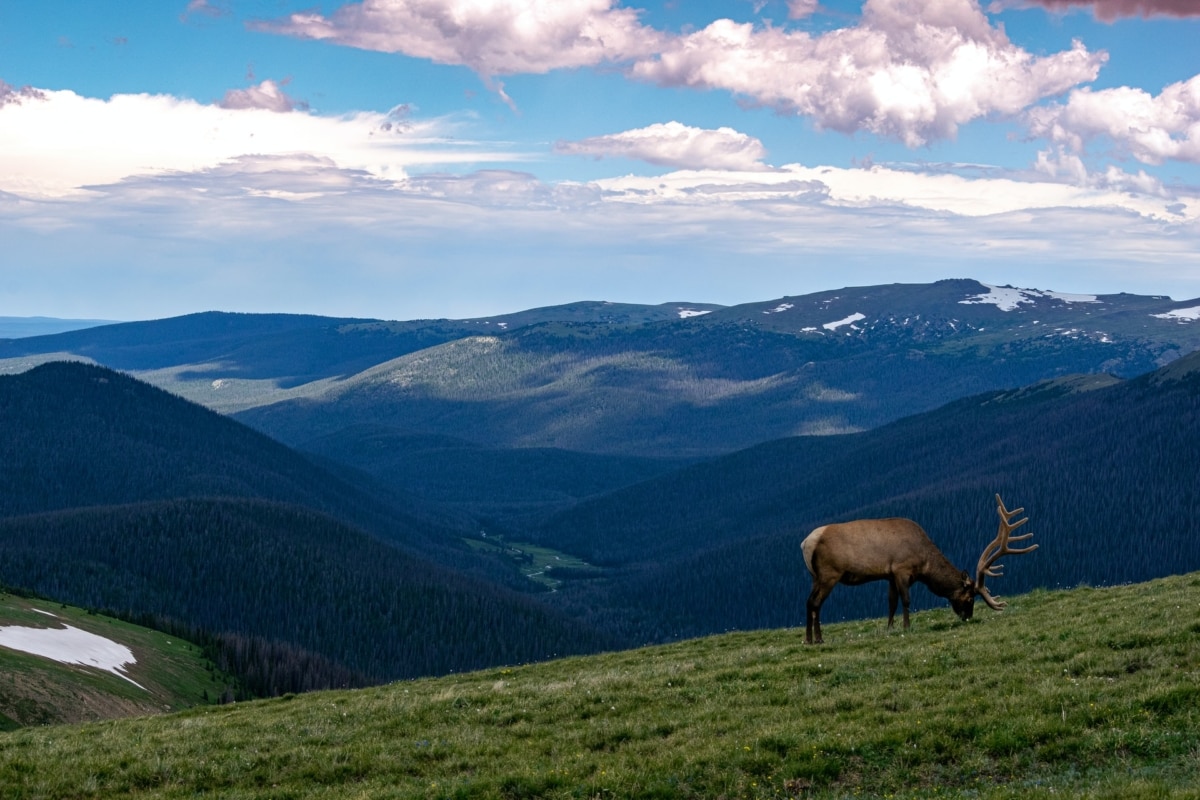
Rocky Mountain National Park in Colorado is known for its dramatic mountain landscapes, alpine lakes, and overall incredible scenery. Hike up to Bear, Emerald, or Dream Lake then drive the Trail Ridge Road. If you’re in for a long day, hike up Longs Peak.
There is plenty to explore at Rocky Mountain National Park year-round, but spring and fall bring the best temperatures with moderate crowds. Because Rocky Mountain National Park is so popular, there is a strict reservation system. Reserve a spot at recreation.gov before you head out.
Rocky Mountain National Park spans over 400 square miles. With over 350 miles of hiking trails, you’ll want to spend at least two or three days checking out this famous Colorado national park.
Rocky Mountain National Park has five front-country campgrounds and plenty of backcountry access. The surrounding national forests are great for car camping or RV parking. There are no lodges in Rocky Mountain National Park, but nearby Estes Park has plenty of hotel accommodations and a fun downtown to explore.
Glacier National Park
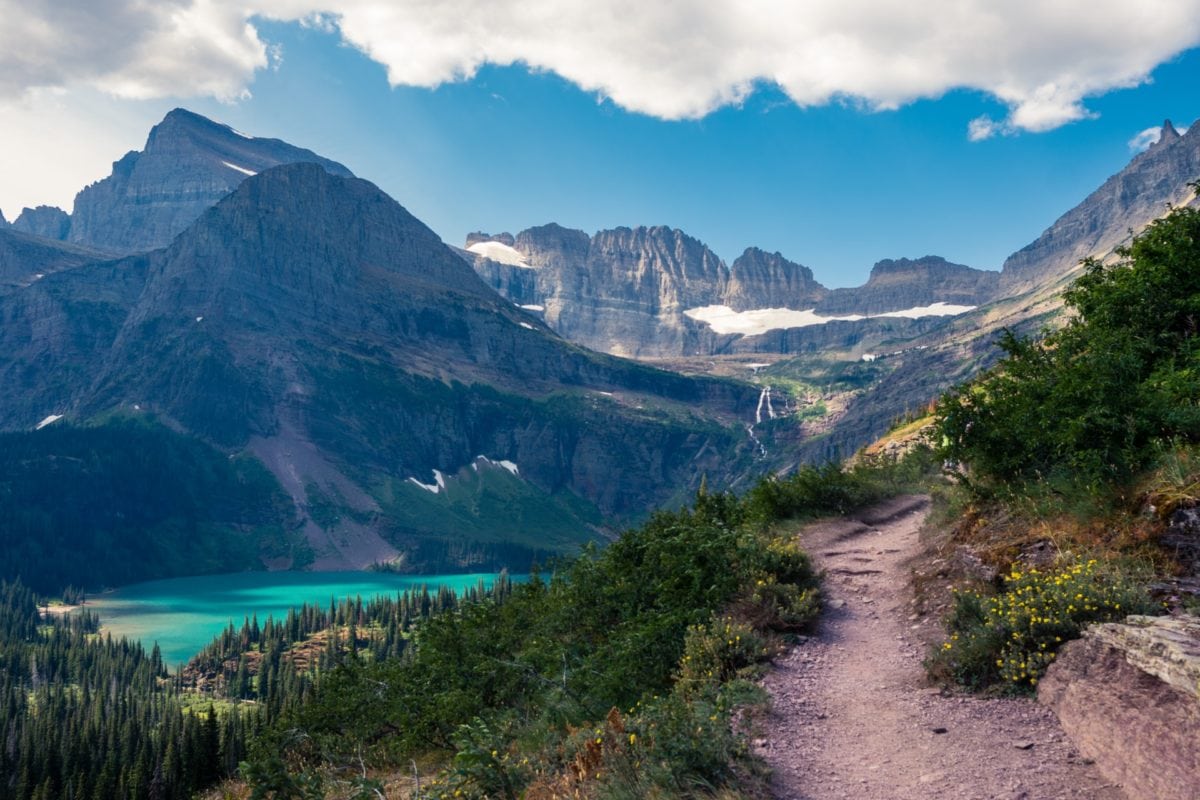
Active glaciers, jagged peaks, turquoise lakes, alpine meadows, and ancient forests all make up this northern Montana park, Glacier National Park.
With so many highlights and hiking trails, you’ll need at least three days to see all the hot spots in Glacier National Park, and five days if you plan to explore the backcountry.
Late June through mid-September is the best time to visit Glacier National Park for the best temperatures and most road access. If you want to drive the Going-to-the-Sun Road this is only accessible when free of snow.
Don’t miss relaxing at Lake McDonald, hiking to Avalanche Lake via the Trail of Cedars, and Lake Mary on the east side of the park.
There are a few hotel options in the park as well as hotels, cabins, and Airbnb’s located outside the park in Whitefish, Bigfork, and Columbia Falls. There are also many front and backcountry campgrounds in the park. Outside of the park there are established campgrounds and primitive camping in the national forests.
Yellowstone National Park
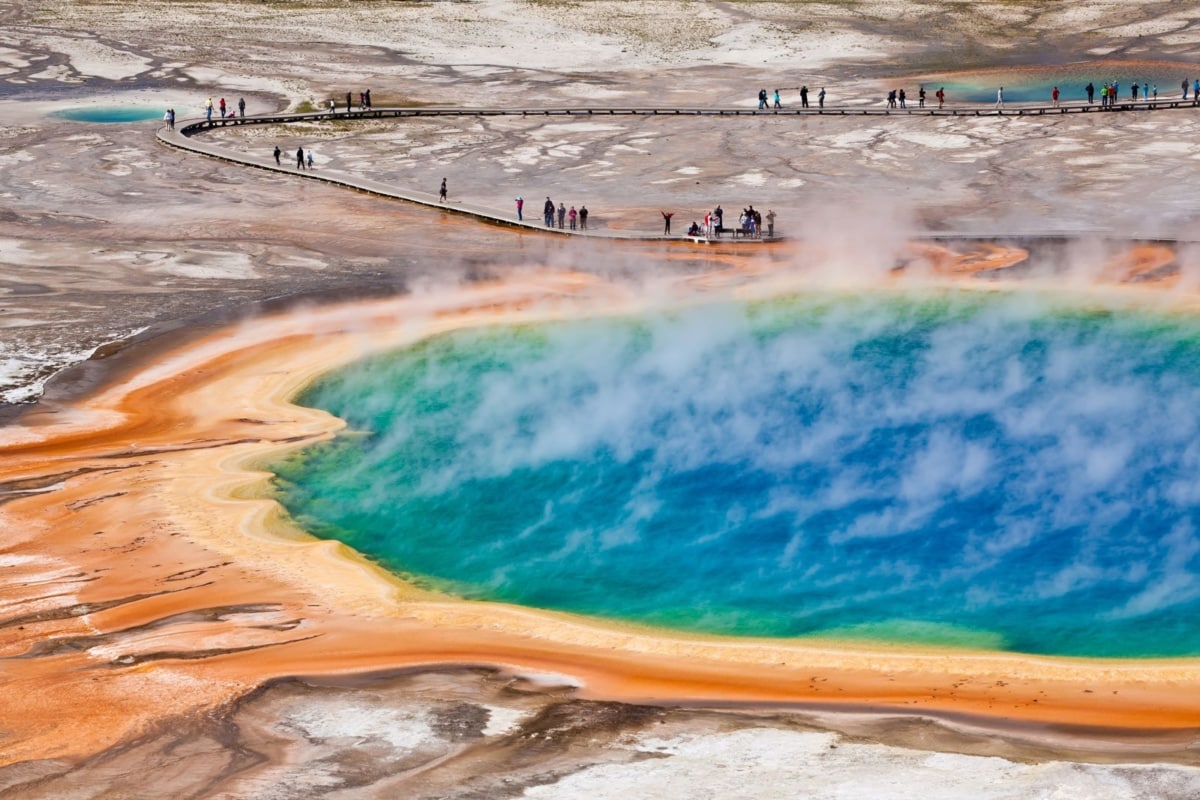
Known for its geysers, hot springs, and traffic-stopping bison herds, there’s a reason Yellowstone National Park became the first national park back in 1872. It’s located on the borders of Wyoming, Montana, and Idaho and is one of the largest national parks in the states.
You’ll need a few days to fully experience the wonders Yellowstone offers. Don’t miss Old Faithful, the Grand Prismatic Spring, and Mammoth Hot Springs for some of the most impressive geologic features in Yellowstone National Park.
Yellowstone Lake, the Grand Canyon of Yellowstone, and Hayden Valley are some other can’t miss spots. You’ll need to always stay on the lookout for wildlife as Yellowstone National Park is known for its large mammals, including grizzly bears, moose, wolves, and bison.
Sitting at high altitudes, Yellowstone is most accessible in the late spring to early fall before the snow. During the winter many roads close and most of the park is only accessible by snowmobile.
There are a variety of hotel lodging options in the park as well as in surrounding towns including West Yellowstone and Gardiner. There are also plenty of campgrounds both in the park and in the nearby national forests.
Grand Teton National Park
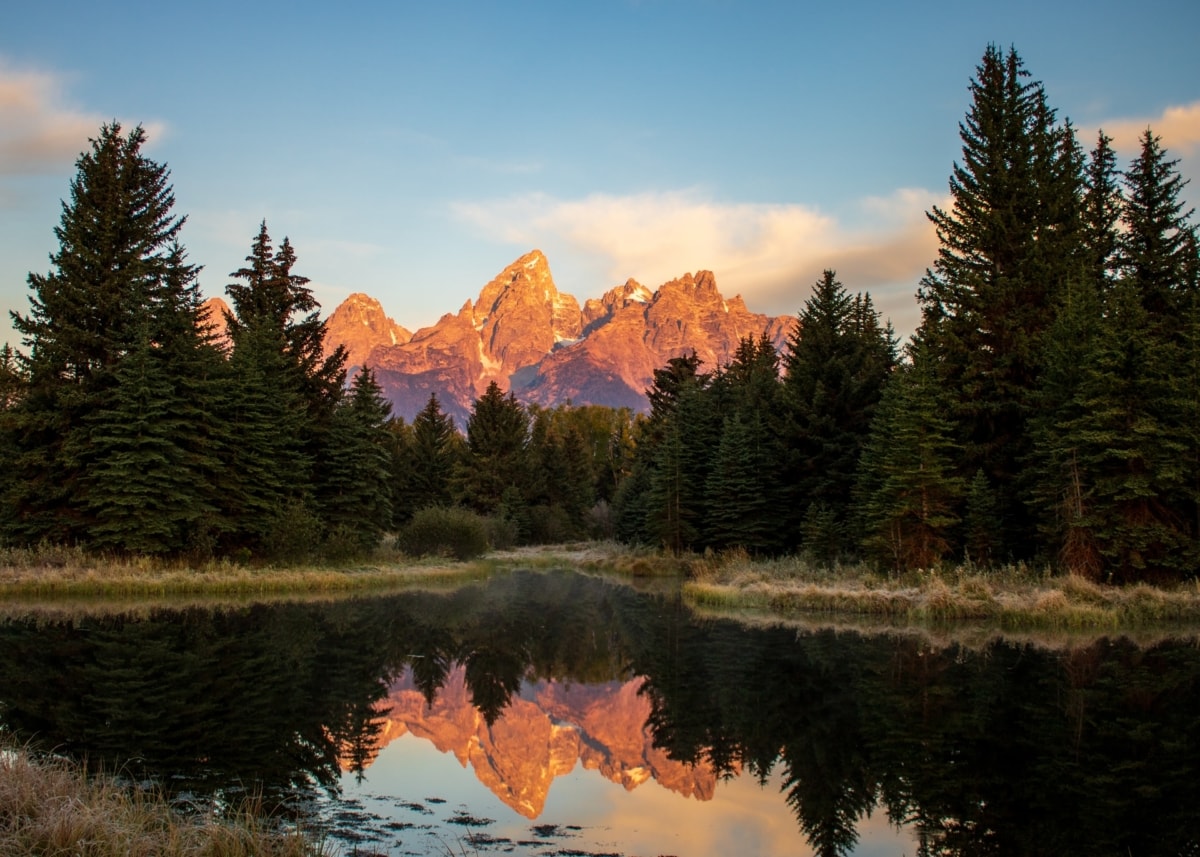
Grand Teton National Park is famously known for its dramatic mountain skyline overlooking a large open valley. Hike up to Cascade Canyon, raft the Snake River, paddle around Jackson Lake, or drive the 42 Mile Scenic Loop.
Yellowstone and Grand Teton National Parks are connected by highway 191 making them a perfect joint trip option. Like Yellowstone, Grand Teton is most accessible from the late spring to early fall, making that the best time to visit.
I would spend at least two days visiting Grand Teton National Park. There are so many hikes, activities, and beautiful viewpoints to check out here. If you love hiking, you could easily spend a week exploring this area.
There are a variety of lodging options in the park including rustic hotel lodging, cabins, and lakefront apartments. The town of Jackson is also a popular place to stay or rent an Airbnb. If you plan to camp, book a campsite in the park ahead of time or head out to Bridger-Teton National Forest the best van life/car camping primitive options.
East Coast National Parks
The east coast national parks aren’t as plentiful as out west; however, there’s still tons of stuff to see and do. Mountains, forests, caves, wetlands, and gorges make up this part of the country.
You can visit some of these parks in a day but in some of them, you’ll want a few days to explore. If you have two weeks, connect them all! But if you’re limited on time, I’d recommend the three closest together: the Great Smoky Mountains, Shenandoah, and New River Gorge.
Great Smoky Mountains National Park
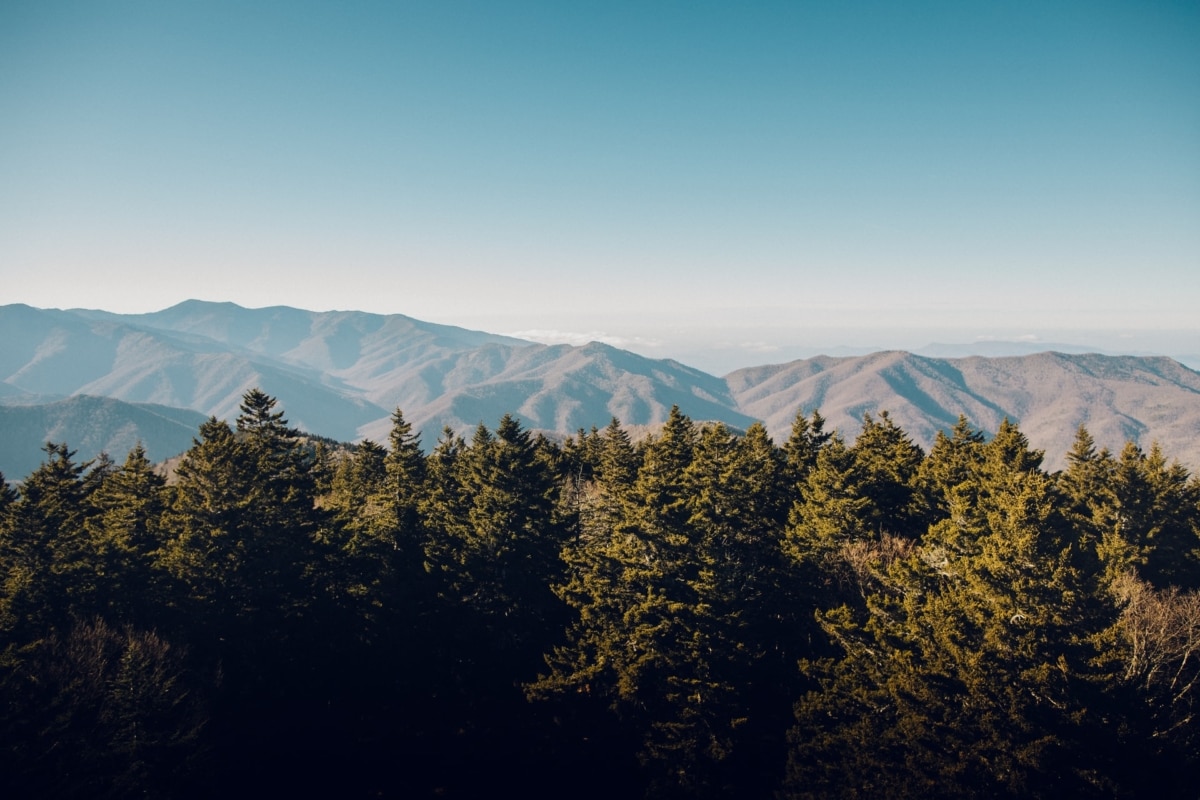
Great Smoky Mountains National Park is the most visited national park in the US. It sits on the North Carolina-Tennessee border and is famous for its diverse wildlife, waterfalls, scenic fog-covered mountains, and the scenic drive along the Blue Ridge Parkway.
Spring to fall is the best time to visit the Great Smoky Mountains. Enjoy the wildflowers in the spring, jump in swimming holes in the summer, and enjoy the colorful foliage in the fall.
You’ll want to spend at least two or three days in the Great Smoky Mountains to explore them. Don’t miss the Chimney Tops Trail or the Rainbow Falls Trail and take a dip at The Sinks swimming hole. Always look out for wildlife, as the Great Smoky Mountains are well known for their diverse flora and fauna.
Le Conte Lodge is the only lodging accommodation in Great Smoky Mountains National Park. There are plenty of hotel options outside the park, with plenty of stays in the touristy town of Gatlinburg. The park also has 10 front-country campgrounds with tent, car, and RV options.
Shenandoah National Park
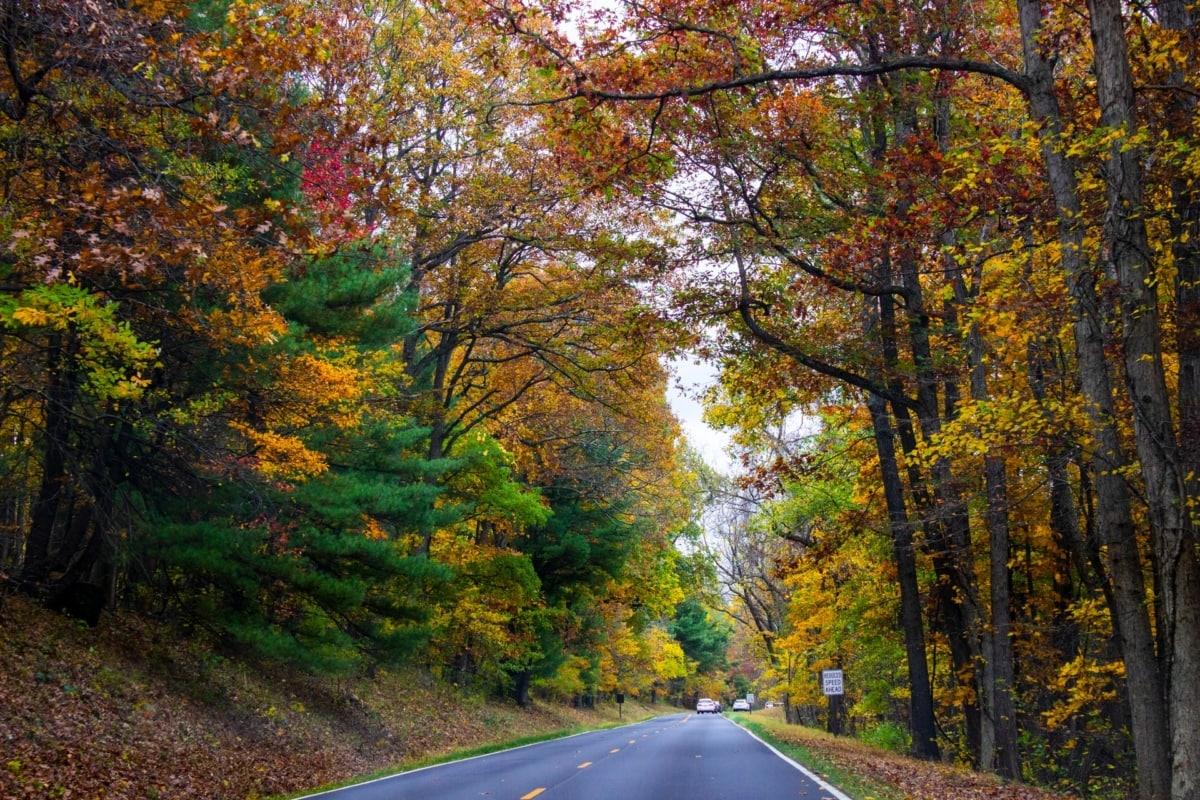
Sitting along the Blue Ridge Mountains in Central Virginia, Shenandoah National Park is known for its rolling mountains, tall waterfalls, and the picturesque Skyline Drive.
Visit Shenandoah National Park from spring to fall for the best weather, but plan for hot, humid temperatures in the summer. You’ll want to spend 2-3 days here to check it all out. Drive Skyline Drive to wind through the park and see all the scenic viewpoints.
Spend another day hiking to Dark Hollow Falls and up Bearfence Mountain. If you’re up for a long day hike check out Old Rag.
There are a few cabin and lodging options available in the park, otherwise, there are small hotel options just outside. There are also a few campgrounds in the park as well as limited dispersed camping in the surrounding national forest.
New River Gorge National Park
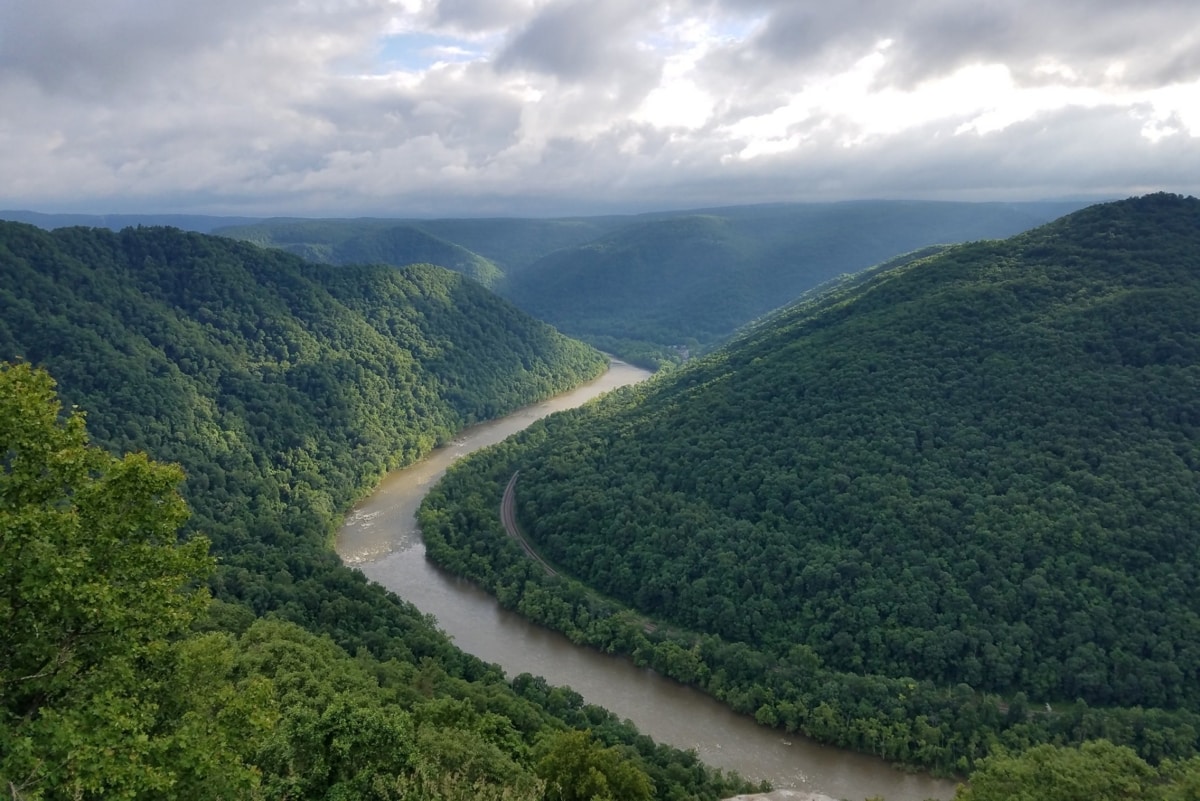
New River Gorge National Park is the newest national park, signed in December 2020. It’s home to the roaring whitewater river flowing through its deep canyon—one of the oldest rivers in the world.
I’d spend at least a day checking out this park; hike the Endless Wall Trail or check out the massive bridge. If you plan to book one of the many adventures activities like whitewater rafting I’d suggest an extra day. There are plenty of adventure activities at this central West Virginia national park.
Whatever time of year you visit, there is always something to do. Spring, summer, and fall have the best temperatures; however, winter brings snow offering scenic panoramic vistas.
There are plenty of primitive campsites along the water’s edge, as well as established campgrounds in towns a few miles back from the river. Because the park runs along the river’s edge, there is plenty of hotel accommodations in the surrounding towns.
Mammoth Cave National Park
Mammoth Cave National Park, located in Kentucky, preserves the world’s largest known cave system spanning over 400 explored miles…although there is much more to discover.
Mammoth Cave is worth a day trip on your east coast road trip. Reserve a ranger-led tour to explore this incredible cave system. If you’re in the area for a longer amount of time, there are some state parks nearby that are also worth checking out.
It’s possible to visit Mammoth Cave National Park at any time of year; however, it’s least crowded from November to February.
Located in a relatively populated area, there are plenty of hotels within close proximity. The park has one small campground reservable online. There is minimal to no camping outside of the park
Congaree National Park
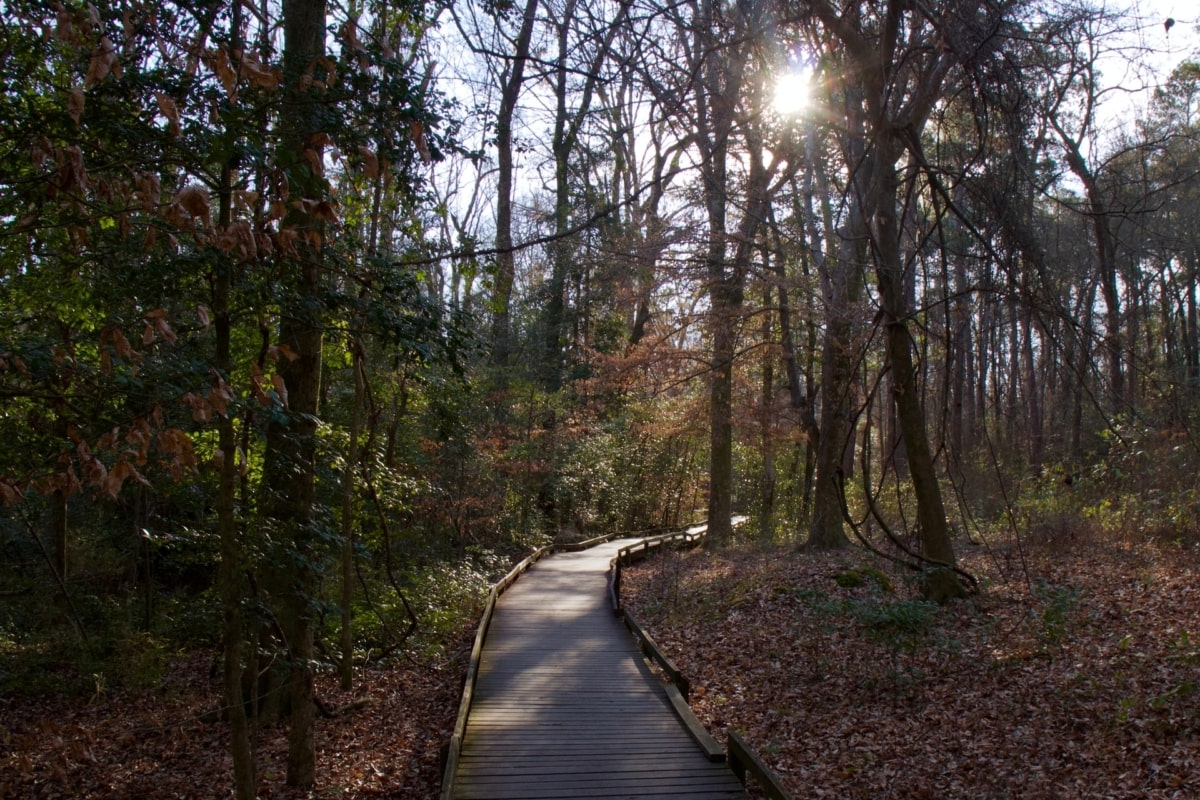
Towering pines and giant hardwoods in Congaree National Park make up one of the highest forest canopies in the world. Located in South Carolina, this is a perfect day trip destination when in the area or on an east coast national parks road trip.
Wander on some hiking trails, kayak the Congaree River, go fishing, or join a ranger-led tour to experience the best of this park.
Fall through spring are the best seasons to visit Congaree National Park as summer temperatures make it too hot to enjoy. Come prepared with bug spray and head nets to avoid the mosquitos which are around most of the year.
If you’re in the area for a few days, there are a few campgrounds in the park and there are plenty of hotel options in nearby towns, including the city of Columbia
Midwest National Parks
The midwest national parks are home to badlands, grasslands, and caves. Collectively, they make a great road trip option through the Dakotas.
I’d spend a week visiting these three national parks, and if you have extra time, there are some state parks to stop at nearby too, Prepare yourself for plentiful wildlife, and when visiting these national parks, fuel up frequently as they are all pretty remote!
Theodore Roosevelt National Park
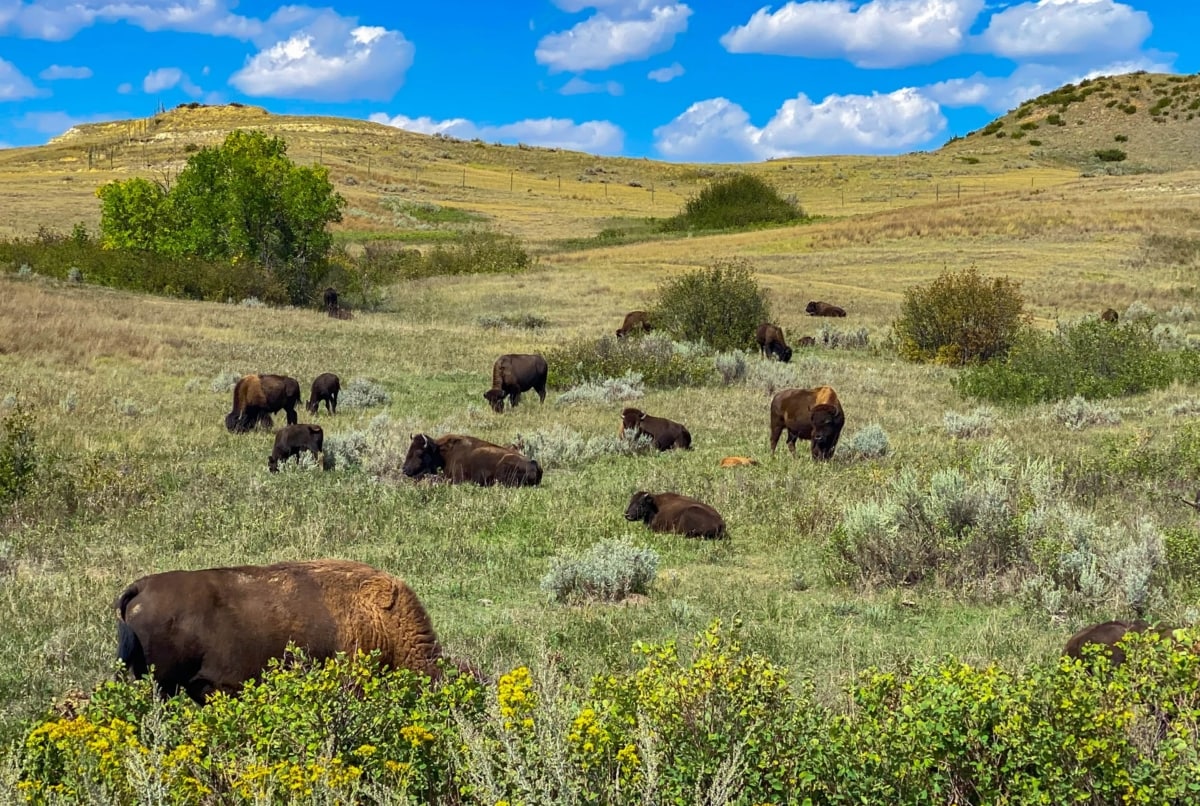
Bison, elk, pronghorn, deer, bighorn sheep, and wild horses fill the open grasslands across Theodore Roosevelt National Park. If you’re a wildlife enthusiast, this is the place for you. Visit the park from spring to fall for the best weather; winters get very cold and snowy.
While it’s possible to see most park highlights in a day, the park is divided into three sections. If you want to check them all out, I recommend spending at least two days here. Don’t miss the Painted Canyon Badlands, Prairie Dog Town, the Scenic Loop Drive, and Oxbow Overlook. And always stay on the lookout for the diverse wildlife roaming throughout the park.
There is no lodging available in the park but there are many hotels, cabins, ranches, and Airbnb options located nearby. The park does have two campgrounds as well as many just outside.
Badlands National Park
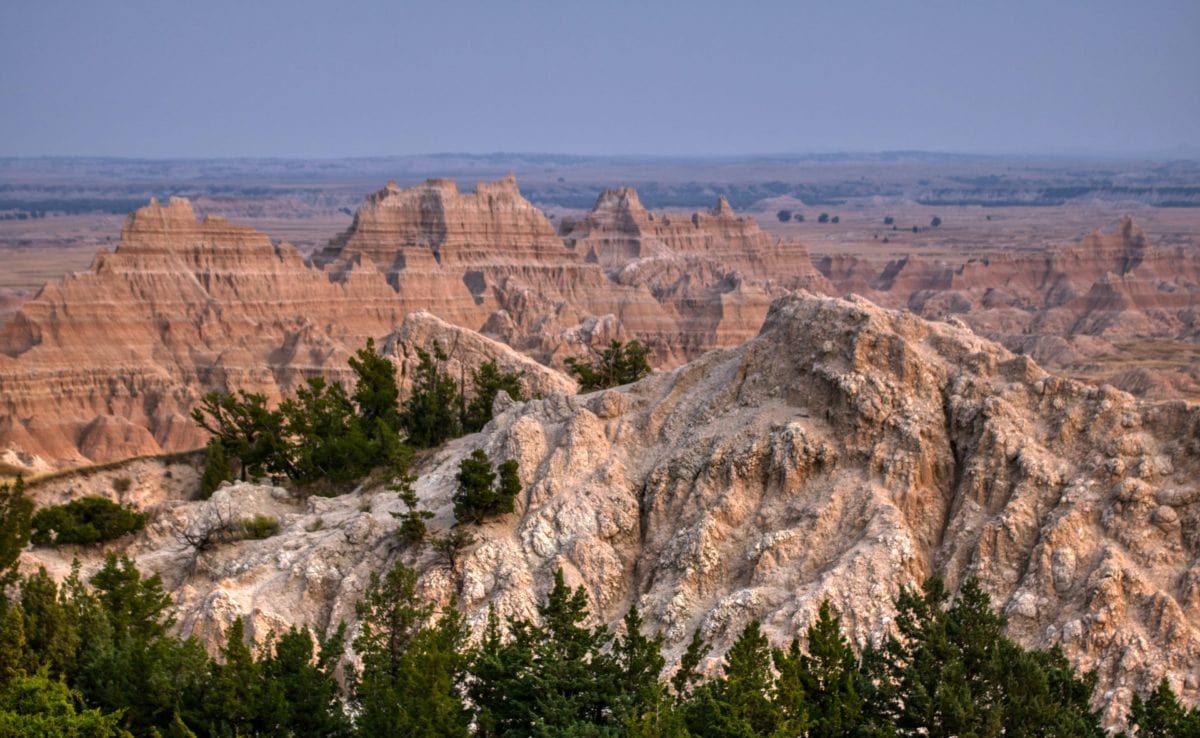
Sitting in the corner of southwest South Dakota, Badlands National Park is known for its sprawling grasslands, eroding canyons, jagged buttes, and plentiful wildlife. Badlands National Park is the closest you can get to an American Safari.
The park’s eastern side is famously known for its badland rock formations. There are many short hiking trails off of Highway 240 the main road in the park. Continuing west you’ll end up in the park’s grassland area which is home to bison, bighorn sheep, pronghorns, prairie dogs, and many birds.
I spent a day and a half exploring Badlands National Park because I love long hikes; however, it’s very doable in a day. Watch the sunrise over the badlands for the best colors in the rock, go on a short hike, then drive through the west side of the park on the search for wildlife.
Spring and fall are the most comfortable times of year to explore the park. Winters get very cold, and snow makes travel difficult. Summers are very hot so you should avoid hiking during the middle of the day.
Badlands National Park is remote and has limited services. Fuel up ahead of time and pack plenty of water and food. Cedar Pass Lodge is the only accommodation in the park besides camping. However, there are plenty of hotel options in surrounding towns as well as additional campgrounds.
Wind Cave National Park
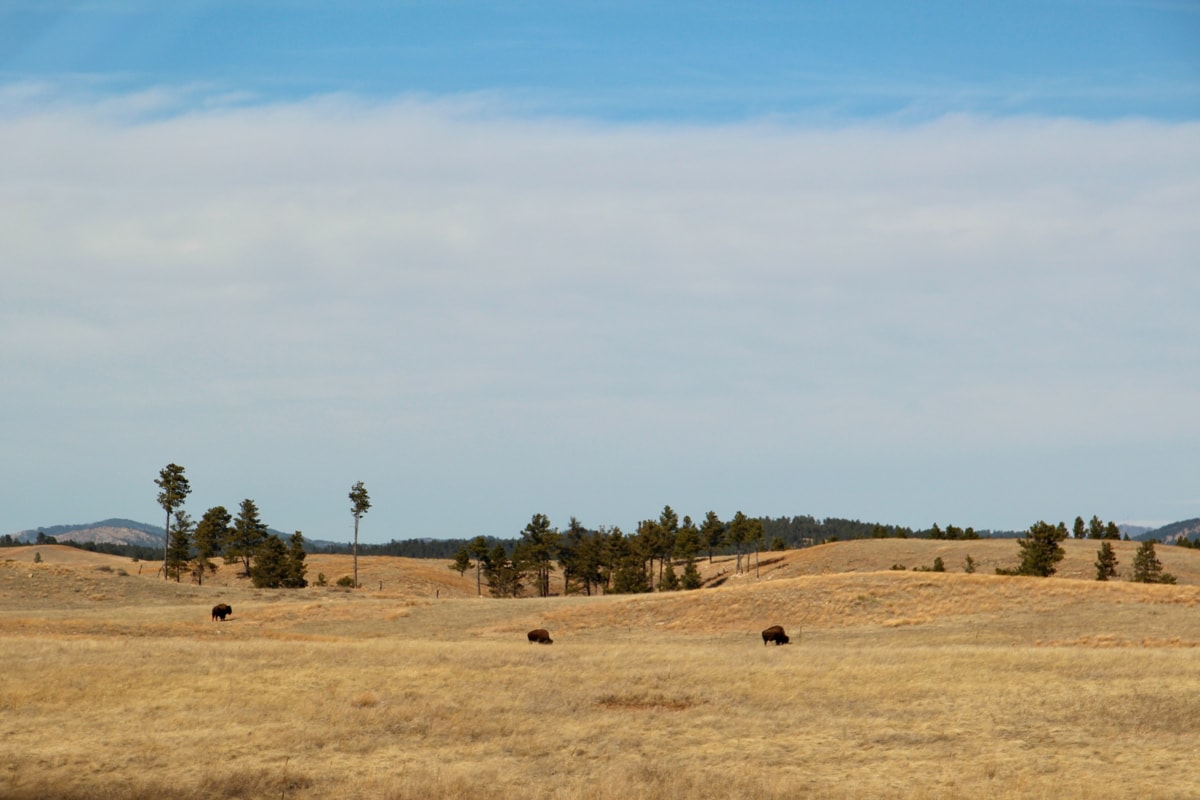
Wind Cave National Park is located just south of Badlands National Park, and although it’s very small, it’s worth a quick few-hours of exploration.
Wind Cave is known for its unique boxwork cave resembling honeycomb formations. While there are minimal hikes above ground, sign up for a ranger-led tour to explore these incredible cave formations.
There are limited services in the park and no hotel accommodations. Unlike Badlands National Park, Wind Cave is worth visiting during the summer heat of the day because cave temperatures are rather cool. Tours are offered year-round but check online for the most up-to-date information before heading out.
What to Pack for a National Park Road Trip
Depending on the time of year and what national parks you’re visiting, you’ll need to pack different supplies for your national park road trip. For the best experience, these are some essentials you’ll want most of the time no matter what season it is and where you’re traveling.
- Water – Carry at least one gallon of water per person per day; if you plan to camp on your national park road trip, bring additional water for washing dishes and yourself.
- Food – Always bring plenty of food and have an extra supply of dry food in case you are in a remote area with minimal services. For snacks, carry high-calorie foods like bars, nuts, and dried fruits.
- Hiking Daypack – A good hiking daypack is essential for these national park road trips. I’d recommend a 20-25 liter pack. Osprey makes some great ones; men, check out the Osprey Talon and women check out the Tempest 20. If you want something bigger, check out our round up of the best hiking backpacks.
- Hiking Shoes – Whether you’re hiking or walking on paved paths, comfortable, durable hiking shoes are another essential for any of these national park road trips. Every foot is different so try them on and break them in before heading out. Hiking boots are great for ankle support. Hiking shoes, like trail runners, are awesome if you want something a bit lighter.
- First Aid Kit – Check out the MyMedic first aid kit for your go-to first aid supplies for these national park road trips.
- Warm Clothing – Layers are essential when visiting these national parks with varying temperatures, seasons, and elevation ranges. These are some great midlayers to pack for any national park road trip.
- Sun Hoodie – Protect your skin from the sun in the summer with a thin lightweight sun hoodie with UPF protection. I love Mountain Hardware’s Crater Lake Hoodie for both men and women.
- Merino Wool – In the winter, merino wool is a great option. It dries quickly and keeps you very warm. I always wear my Smartwool baselayers when visiting national parks in cooler months.
- Hiking Pants – Quick-drying hiking pants protect from the sun, vegetation, and sharp rocks when hiking in the national parks.
- Rain Jacket – Whatever season it is, always bring a rain jacket. The weather can always change and it doubles as a good wind shell layer.
- Puffy Coat – A down or synthetic puffy is also essential when visiting national parks. Even during the warmer months, some parks get very cold at night. I’ve worn both down and synthetic puffy’s from Patagonia over the years and love their products.
- Hat – In the summer, pack a baseball cap. In the cooler months you’ll want a winter hat.
- Sunglasses – Don’t forget to protect your eyes from the sun when visiting the national parks.
- Sunscreen – Whether you’re in the desert, mountains, or near water, always bring sunblock.
- Map – Download offline maps and carry paper maps in the areas of these national park road trips. Both types of maps are great options when out of cell service. For hiking, download AllTrails offline maps.
- Headlamp – Always carry a headlamp. It’s very helpful at camp or if you get stuck on the trail later than expected.
Final Thoughts on a National Park Road Trip
It’s time to start planning your next national park road trip! Whether you plan to hike mountains, take a relaxing scenic drive, explore caves, or go swimming in waterfalls there are plenty of national park road trip options all across the country.
With so many national park road trips to explore, there is something for every type of traveler no matter the season. Have fun, and let me know about your favorite national park in the comments.
National Park Road Trip FAQs
How long would a road trip to all national parks take?
It would take about 3 months to visit all the national parks if you were going as fast as possible and not stopping much to spend time in each park.
How many days do you need at a national park?
1-3 days is enough to enjoy most national parks.
What is the #1 visited national park?
Great Smokey Mountains National Park is the most visited national park in the country.
What time of year is best for national park road trip?
Summer is the best time for most national parks, but the desert parks in Utah, Arizona, and California are better in cooler seasons.
How much does it cost to visit every national park?
With the American the Beautiful Pass, you get unlimited national park admissions for a full year for $80!