


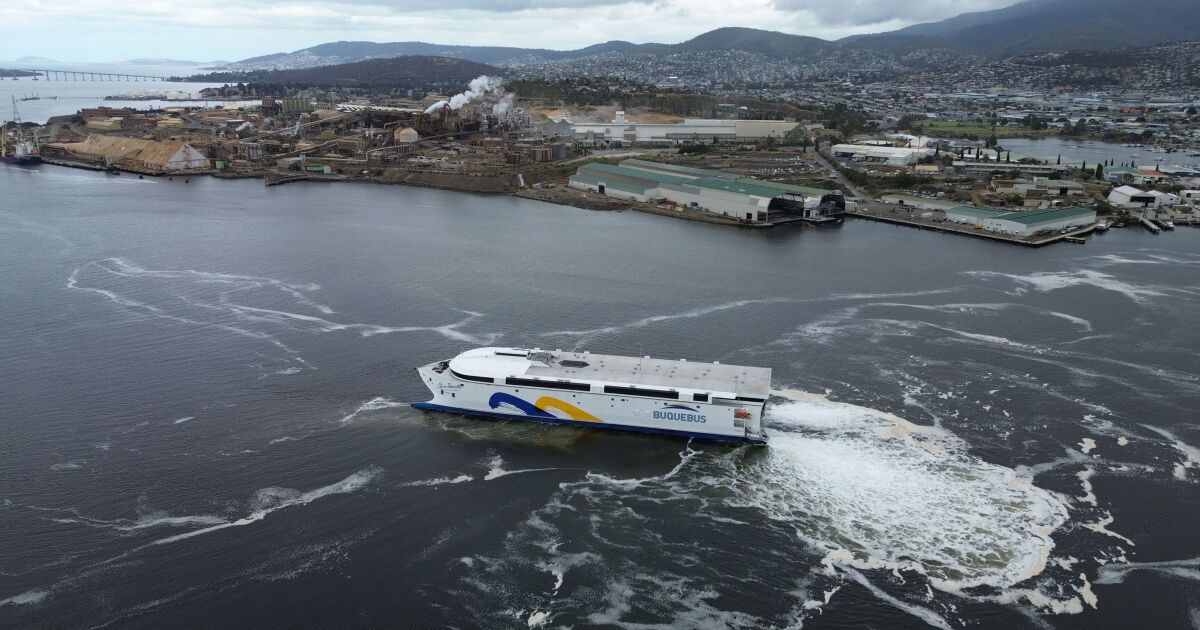
Earlier this month on Hobart’s River Derwent, a 130-meter (426-ft) vessel began moving with an unfamiliar level of calm. No engine rumble, no exhaust plume; just the quiet churn of waterjets as Hull 096 eased away under its own power for the first time. Developed and built by Incat Tasmania, the ship has now entered its harbor trials: the first time it’s operated solely on battery-electric propulsion.
This isn’t just a systems check. For a ship of its size, it’s a major milestone – indeed, it’s a world first. After years of design changes, bold ambitions, and complex construction, the world’s largest battery-electric ship has progressed from ambitious vision to reality. And it’s finally being tested where it matters: on the water.
Incat
When Incat first revealed plans for the Hull 096, the 130-m ferry was intended to run on liquified natural gas (LNG) for South American operator Buquebus. As the vessel’s development progressed, a few factors changed this trajectory. Fuel prices became more volatile, batteries became cheaper, and charging capacities improved dramatically. In 2023, Incat and Buquebus pushed to make the vessel a fully electric one instead.
There wasn’t much precedent to lean on. This would be the largest ship Incat had ever built, and the largest ship of this size relying solely on battery-electric propulsion. Incat’s chairman Robert Clifford framed the move as not an incremental step forward, but an intentional leap toward what large commercial vessels could be in the future.
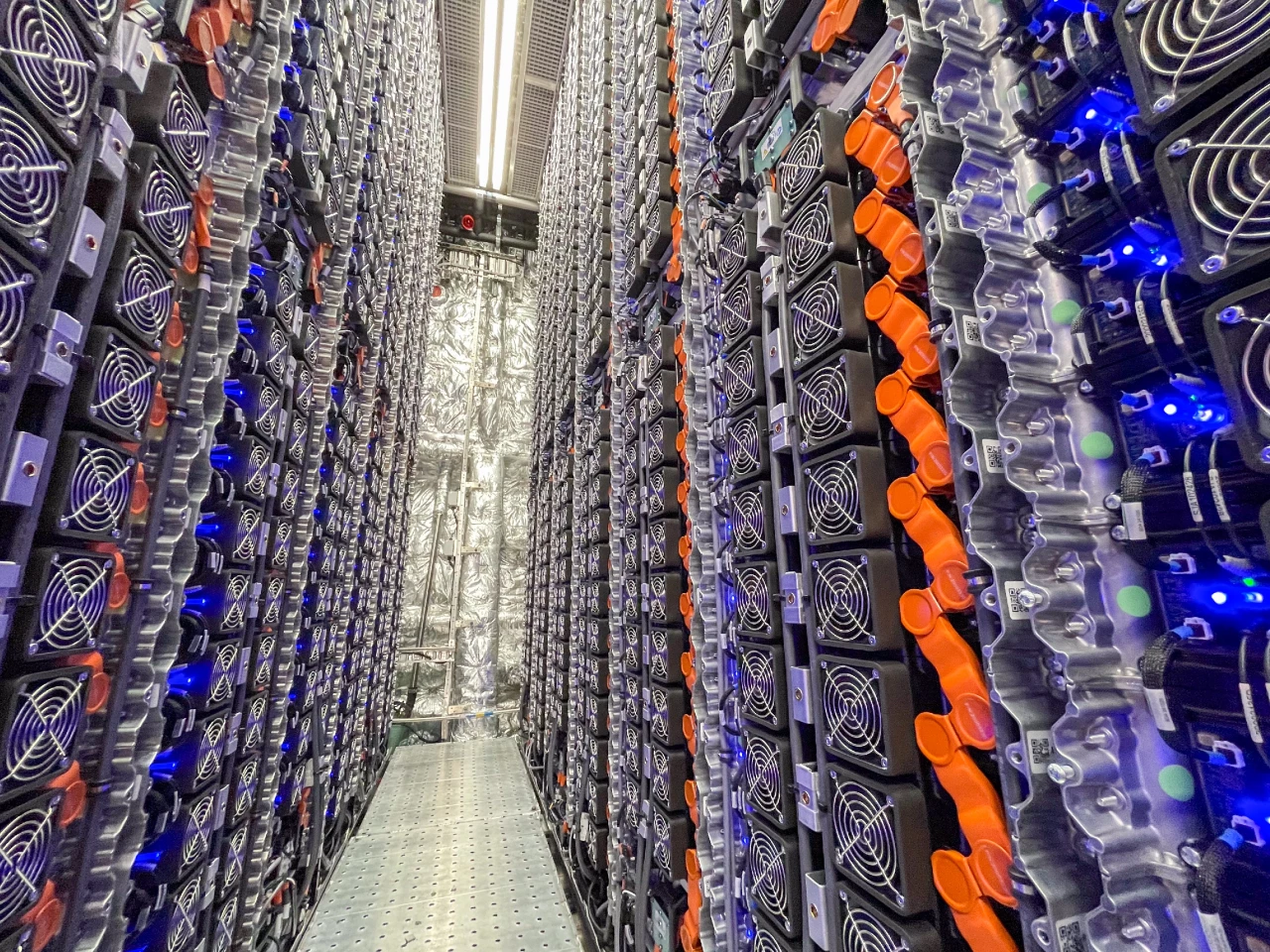
This bet has now paid off as the project has taken physical shape. Hull 096 was launched in May 2025, with its exterior completed, while work continued on the interior. At its core lies an unprecedented energy storage system: more than 250 tonnes of batteries delivering over 40 MWh of capacity – around four times larger than any previous maritime installation.
Incat Tasmania
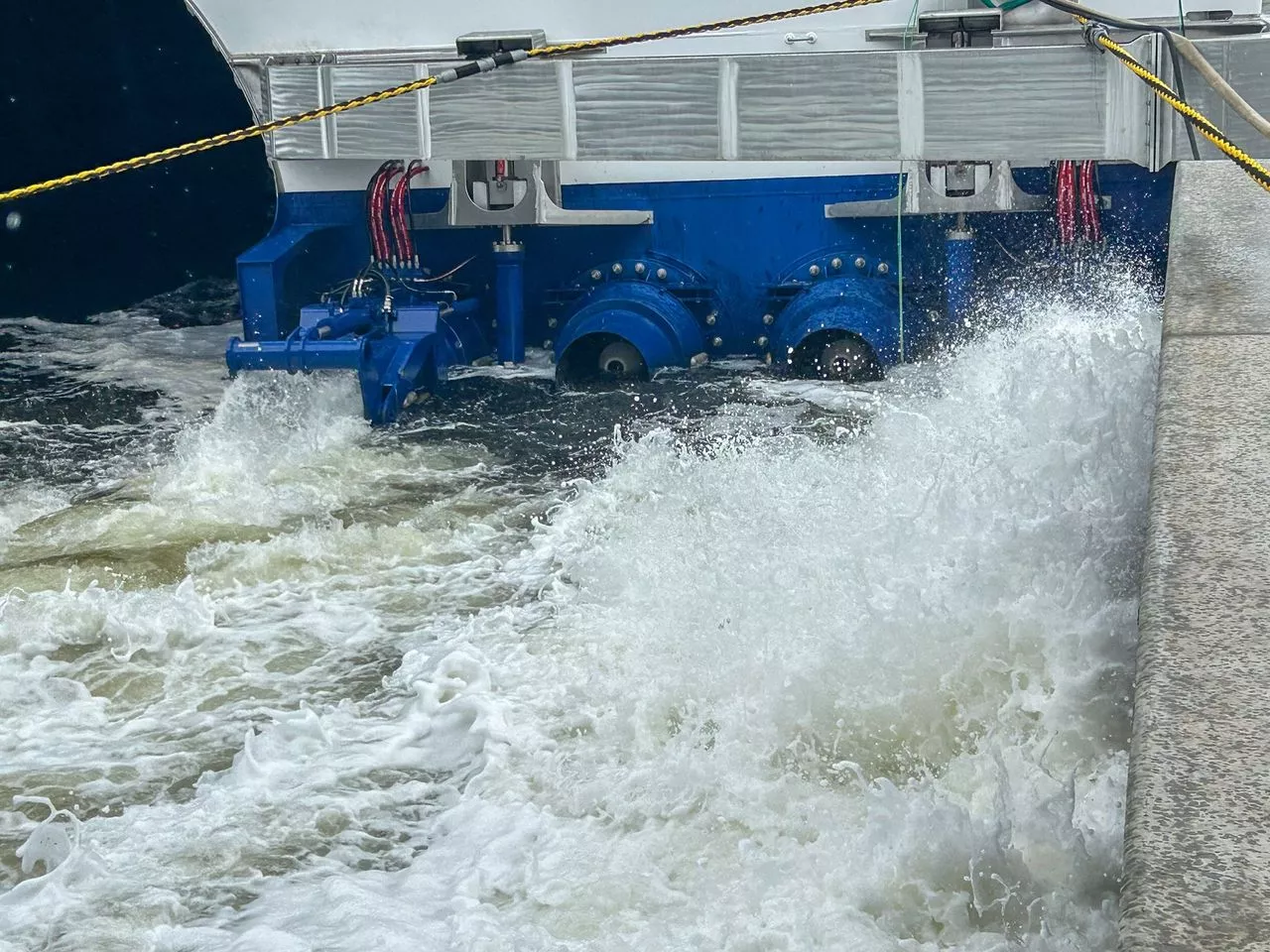
Power is delivered to eight electric waterjets, driving a vessel designed to carry up to 2,100 passengers and more than 220 vehicles. This places it firmly among the largest electric vehicles ever built.
In December 2025, the project moved from construction to testing, when Hull 096 was powered up for the first time. During a public demonstration in Hobart, the ship’s massive battery-electric propulsion system drove its waterjets through an initial e-motor trial. This marked the ship’s proof-of-concept, and a first glimpse into what it would later become.
Clifford called this a “turning point” – a moment that confirmed years of designed integration had paid off. At this stage, however, the testing was largely stationary, focusing on validation rather than operation.
Incat Tasmania
This groundwork led to the harbor trials that kicked off earlier this month. On the River Derwent, crews are testing propulsion response, maneuverability, control systems, and how the ship’s various onboard systems work together in real-world conditions.
Crucially, this marks the first time a vessel of this size and capacity has moved under just battery power. Further harbor testing will be followed by sea trials, ahead of the ferry’s eventual delivery to South America.
So far, it’s a quiet milestone, but an important one. Large-scale electric shipping is no longer a hypothetical vision. If these trials progress as planned, Hull 096 could help reshape expectations for what future ferries look (and indeed, sound) like. The video below has more.
Incat Hull 096 – First Harbour Trial
Source: Incat

