8.4 C
New York
Tuesday, April 21, 2026
Home Blog Page 548

MBW’s Weekly Round-Up Covers Concord’s $1.76 Billion ABS Transaction and Universal Music Group’s EU Scrutiny

0

Welcome to Music Business Worldwide’s weekly round-up – where we make sure you caught the five biggest stories to hit our headlines over the past seven days. MBW’s round-up is supported by Centtrip, which helps over 500 of the world’s best-selling artists maximize their income and reduce their touring costs.


This week, Concord closed its largest-ever asset-backed securities transaction, raising USD $1.765 billion backed by over 1.3 million music copyrights.

Meanwhile, the European Commission confirmed that it was opening an in-depth Phase II investigation into Universal Music Group‘s proposed $775 million acquisition of Downtown Music Holdings, citing preliminary concerns about potential reduced competition.

Elsewhere, Warner Music Group promoted Alejandro Duque to a dual role as President of both ADA and Warner Music Latin America, expanding his responsibilities across the company’s distribution and services division. Duque takes over as head of ADA from Cat Kreidich, who is leaving the company.

Also this week, Recognition Music Group announced plans for a $372 million bond sale backed by its catalog formerly known as Hipgnosis Songs Fund, while ONErpm founder Emmanuel Zunz declared that traditional industry categories like “record labels” and “distribution companies” no longer exist… with fair justification.

Here are some of the biggest headlines from the past few days…


1. CONCORD CLOSES $1.76 BILLION ASSET-BACKED SECURITIES TRANSACTION TO ‘FUEL CONTINUED GROWTH’

Concord has successfully closed its latest asset-backed securities transaction to “fuel continued growth” at the independent music company. The company issued $1.765 billion in bonds via a series of new five-year, seven-year, and ten-year senior notes backed by Concord’s catalog of over 1.3 million music copyrights.

The bonds are secured by Concord’s portfolio featuring songs and recordings from artists including The Beatles, Beyoncé, Bruno Mars, Carrie Underwood, Creedence Clearwater Revival, Daddy Yankee, Ed Sheeran, Genesis, Imagine Dragons, John Fogerty, Kiss, Michael Jackson, Otis Redding, Phil Collins, Pink Floyd, R.E.M., Rihanna, Rodgers & Hammerstein, Taylor Swift, and The Rolling Stones(MBW)


2. EU OPENS IN-DEPTH INVESTIGATION INTO UMG’S $775M DOWNTOWN DEAL

The European Commission has opened an in-depth Phase II investigation into Universal Music Group’s $775 million acquisition of Downtown Music Holdings, announcing on Tuesday (July 22) that it has preliminary concerns the deal may reduce competition in wholesale distribution of recorded music in the European Economic Area.

The EC said it is “preliminarily concerned that the transaction may allow UMG to reduce competition in the market for the supply of artist and label services in the EEA by removing an important competitive force” and that UMG could acquire commercially sensitive data from rival record labels. UMG’s Virgin Music Group revealed in December that it had agreed to buy Downtown Music Holdings LLC in the $775 million deal.

The Commission now has until November 26 to make a decision following the 90-day Phase II investigation process. A UMG spokesperson said the company “remains confident that the combination of Virgin and Downtown will create an improved offering in the growing and highly competitive label services category that currently consists of roughly 100 companies”… (MBW)


3. ALEJANDRO DUQUE TAKES ON DUAL ROLE AS PRESIDENT OF ADA AND PRESIDENT OF WARNER MUSIC LATIN AMERICA

Alejandro Duque has been named President of ADA, Warner Music Group’s distribution and services division for indie labels and artists, expanding on his existing responsibilities as President of Warner Music Latin America. Duque will continue to be based in Miami and report to WMG CEO Robert Kyncl.

Since serving as President of Warner Music Latin America from 2021, Duque has championed breakthrough artists such as Blessd, Danny Ocean, Elena Rose, Myke Towers, Natanael Cano, Ovy on the Drums, Tiago PZK, Tokischa, Yami Safdie, and Yandel. WMG said a key driver of his success has been his ability to bring the company closer to the independent community and spearhead growth of its distribution business in the region.

Duque succeeds former ADA President Cat Kreidich, who left the role as reported on Tuesday (July 22). Robert Kyncl said Duque’s leadership will help differentiate ADA by “providing independent labels and artists with opportunities at a speed and scale they won’t find anywhere else”… (MBW)


4. RECOGNITION MUSIC GROUP PLANS $372M BOND SALE – AS VALUE OF CATALOG ONCE KNOWN AS HIPGNOSIS SONGS FUND CONTINUES TO BALLOON

Recognition Music Group, the Blackstone-owned company that now controls the portfolio formerly known as Hipgnosis Songs Fund, is planning a $372 million issuance of five-year bonds backed by its multi-billion-dollar music catalog. The catalog includes recorded music and/or publishing rights from artists such as the Red Hot Chili Peppers, Journey, Justin Bieber, and Shakira.

According to a report from Kroll Bond Rating Agency, based on a third-party valuation as of March 31, the catalog backing Recognition’s ABS transaction was worth $2.95 billion, inclusive of $340.8 million in additional assets that Recognition added to it. This suggests the portfolio that until recently was known as Hipgnosis Songs Fund was worth $2.61 billion as of the end of March, representing rapid growth since Blackstone acquired it in summer 2024.

The Recognition portfolio consists of around 47,000 master recordings, compositions, and related assets with a weighted average age of around 21 years. KBRA gave the bond issuance a rating of A, noting that streaming revenues continue to represent a positive tailwind to industry growth and catalog cashflow… (MBW)


5. ONERPM’S EMMANUEL ZUNZ: ‘THERE ARE NO MORE DISTRIBUTION COMPANIES, THERE ARE NO MORE RECORD LABELS. THERE ARE JUST COMPANIES PROVIDING SOLUTIONS TO CREATORS.’

Nashville-headquartered ONErpm has continued its remarkable growth trajectory, positioning itself as one of the music industry’s most significant independent players. Founded in 2010 and entirely self-funded, ONErpm is on track to hit around $300 million in gross revenue this year, operating in 40+ territories globally with a claimed 2.7% worldwide market share on Spotify.

ONErpm founder Emmanuel Zunz bristles at traditional industry categorizations, stating: “There are no more ‘distribution’ companies, and there are no more ‘record labels’. There are just companies providing solutions to creators.” It’s a philosophy that runs through everything ONErpm does, from basic distribution agreements to full label services deals, catalog acquisition, and joint ventures.

Notably, when asked about the Downtown-Universal deal, Zunz said he responded to the European Commission’s questionnaire by emphasizing there are plenty of alternatives for independent artists and labels in the market… (MBW)


MBW’s Weekly Round-Up is supported by Centtrip, which helps over 500 of the world’s best-selling artists maximise their income and reduce their touring costs.Music Business Worldwide

Thailand imposes martial law in border regions due to clashes with Cambodia | Armed Forces

0

NewsFeed

Thailand has declared martial law in eight districts after deadly cross-border clashes with Cambodia forced over 130,000 civilians to flee. At least 16 people have been killed since clashes tied to a territorial dispute erupted Thursday. Al Jazeera’s Tony Cheng reports from northeast Thailand.

Challenging Client

0


Client Challenge


JavaScript is disabled in your browser.

Please enable JavaScript to proceed.

A required part of this site couldn’t load. This may be due to a browser
extension, network issues, or browser settings. Please check your
connection, disable any ad blockers, or try using a different browser.

Ex-President of DR Congo facing trial for treason and murder in Kinshasa

0

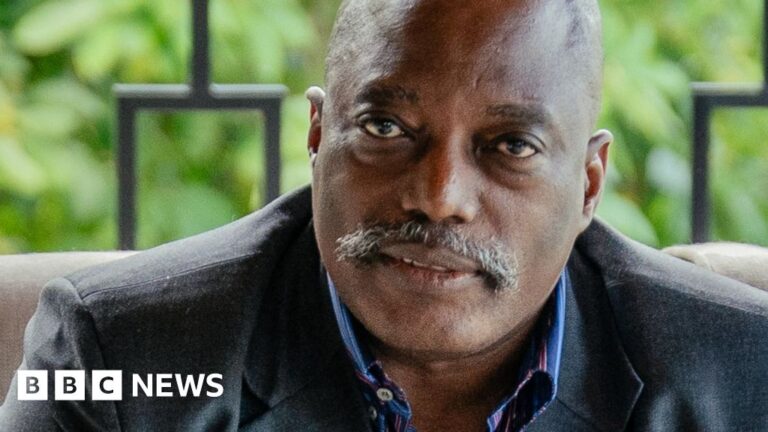
The treason trial of the former president of the Democratic Republic of Congo, Joseph Kabila, has begun in a military court in the capital, Kinshasa.

He also faces other charges, including murder and rape, linked to his alleged support for M23 rebels – who control a large part of the mineral-rich east of the country. He denies the charges, did not appear at the hearing and has asked to be tried in absentia.

Kabila’s successor, President Félix Tshisekedi, has accused him of being the brains behind the rebels.

The ex-president has rejected the case as “arbitrary” and said the courts were being used as an “instrument of oppression”.

After several hours, Friday’s trial was adjourned to the end of the month, following a request by prosecutors for extra time to review documents.

A ceasefire deal between the rebels and the government was agreed last week, but fighting has continued.

Kabila had been living outside the country for two years, but arrived in the rebel-held city of Goma, in eastern DR Congo, from self-imposed exile in South Africa in May.

Pointing to overwhelming evidence, the UN and several Western countries have accused neighbouring Rwanda of backing the M23, and sending thousands of its soldiers into DR Congo. But Kigali denies the charges, saying it is acting to stop the conflict from spilling over onto its territory.

Former presidents in DR Congo serve as senators for life and enjoy lifetime immunity.

But in May, Kabila’s fellow senators stripped his immunity to allow his prosecution on charges that include torture, taking part in an insurrectionist movement, and the forcible occupation of Goma.

According to the AFP news agency, the charge sheet describes Kabila as “one of the initiators of the Congo River Alliance” – the wider rebel grouping which includes the M23 and other militia.

Kabila has been accused of conspiring with Rwanda to remove President Tshisekedi from power. Both parties deny this.

The 54-year-old led DR Congo for 18 years, after succeeding his father Laurent, who was shot dead in 2001. Joseph Kabila was just 29 at the time.

He handed power to President Félix Tshisekedi following a disputed election in 2019, but they later fell out.

In a now-deleted YouTube video released in May, Kabila lashed out at the Congolese government calling it a “dictatorship”, and said there was a “decline of democracy” in the country.

At the time the Congolese government spokesperson, Patrick Muyaya, rejected Kabila’s allegations, saying he had “nothing to offer the country”.

In anger at Friday’s trial, Ferdinand Kambere – a close ally of Kabila who served in his now-banned PPRD party, accused the government of “double standards”. He said it was too soft in its peace deal but too hard on Kabila, adding that the trial was a way to exclude Kabila from the country’s politics.

Another Kabila stalwart – Emmanuel Ramazani Shadary – reportedly said a guilty verdict was a forgone conclusion and that the trial was little more than “theatre”.

But as the trial opened, Congolese Deputy Justice Minister Samuel Mbemba had stern words for any detractors.

“Justice does not negotiate, it does not join in dialogue. The calendar for justice is different from the political calendar.”

Additional reporting by Damian Zane and Cecilia Macaulay

The Trump administration suggests an expanded role for the Development Finance Corporation

0

Trump administration proposes bigger role for Development Finance Corporation

Preview of the 2025 World Championships: US Ready to Take Down Australia in Women’s 4×100 Freestyle Relay

0

By Mark Wild on SwimSwam
2025 World Championships

BY THE NUMBERS – Women’s 400 Free Relay

  • World Record: 3:27.96 – AUS (M. O’Callaghan, S. Jack, M. Harris, E. McKeon), 2023
  • World Junior Record: 3:36.19 – CAN (T. Ruck, P. Oleksiak, R. Smith, K. Sanchez) – 2017
  • Championship Record: 3:27.96 – AUS (M. O’Callaghan, S. Jack, M. Harris, E. McKeon), 2023
  • 2023 World Champion: AUS (M. O’Callaghan, S. Jack, M. Harris, E. McKeon) – 3:27.96
  • 2024 Olympic Champion – AUS (M. O’Callaghan, S. Jack, E. McKeon, M. Harris) – 3:28.92

Long a dominant force in the sprint freestyles, going back to the likes of Dawn Fraser and Shane Gould, the Australian women have continued the tradition as Libby Trickett, and Cate Campbell have all held the 100 free World Record. But to be the strength that they are in Women’s 4×100 free relay, it takes more than just a star, as the Australian’s have been undefeated in this relay at the Olympics dating back to 2008 and at Worlds have won every meet since 2017 (They did not top the podium in 2024, more on that later).

The Australian women represent half of the top 10 fastest performers in the 100 free, as Emma McKeon (#2), Mollie O’Callaghan (#7), Bronte Campbell (#9), and Shayna Jack (#10) join Campbell (#4) on the list.

After taking over the World Record at the 2014 Commonwealth Games, the Australians in the run-up to the 2023 Worlds had lowered it a further three times to sit at 3:29.69, when the team of B. Campbell, Harris, McKeon, and C. Campbell cracked the 3:30 barrier for the first time at the Tokyo Olympics. In Fukuoka, however, the addition of O’Callaghan and Jack to McKeon and Harris saw the Australians enter rarified air as they cut nearly two seconds off the previous mark, as they stopped the clock in 3:27.96.

MOC led off in 52.08, the 7th fastest performance ever, and handed things off to Jack, who split 51.69. With Harris and McKeon going 52.29 and 51.90, the race was over before it got halfway through, and entering the Olympics in Paris, they were the heavy favorites.  In Paris, the same quartet was a little slower, but still nabbed a new Olympic record in 3:28.92, the 2nd fastest performance of all time.

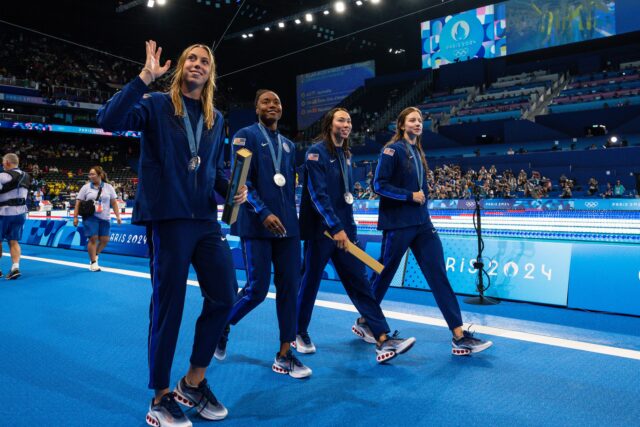
Much like in Fukuoka, the Americans and Chinese were locked into battle for the silver medal in Paris. At the 2023 Worlds, Kate Douglass passed Zhanfg Yufei in the last leg of the race to take the win 3:31.93 to 3:32.40, with the latter time marking a new record for the Chinese. In Paris, Torri Huske‘s 52.06 moved the US up from 4th into 2nd, and Simone Manuel‘s 52.61 was enough to hold off Wu Qingfeng‘s 52.31 as the US set a new National record of 3:30.20, with the Chinese just .1 back, also with a new record.

“Golden Years”

World Aquatics Championships
Fukuoka (JPN)
14-30 JULY 2023

On paper and with the historical precedent they have set, the Australians would appear to be the heavy favorites in this relay, but the perfect storm of key absences and improvements made by other nations may make the Australians as vulnerable as they have been in the past six years.

Mollie O’Callaghan won the event at the Australian Trials in 52.87, and with the absence of Sarah Sjostrom, she is the top seed in the individual event. event. Joining her in the event is Olivia Wunsch, who placed 2nd with a time of 53.38. Based on the final results alone, the 3rd and 4th place finishers with times of 53.53 and 53.83 likely round out the relay.

2021 Aussie Trials 2023 Aussie Trials 2024 Aussie Trials 2025 Aussie Trials
1st Emma McKeon – 52.35 Mollie O’Callaghan – 52.48 Mollie O’Callaghan – 52.33 Mollie O’Callaghan – 52.87
2nd Cate Campbell – 52.59 Emma McKeon – 52.52 Shayna Jack – 52.72 Olivia Wunsch – 53.38
3rd Madison Wilson – 52.76 Shayna Jack – 52.64 Meg Harris – 52.97 Alexandria Perkins – 53.53
4th Meg Harris – 52.92 Meg Harris – 53.09 Bronte Campbell – 53.10 Hannah Casey/Abbey Webb – 53.83
Cumulative Time 3:30.62 3:30.73 3:31.12 3:33.61
Result at Olympics/Worlds 1st- 3:29.69 WR 1st – 3:27.96 WR 1st – 3:28.92 OR ???

With a cumulative time of 3:33.61, it is the slowest over the last four big championship meets (2022, which saw some swimmers head to Budapest for Worlds and others to Birmingham for the Commonwealth Games, had a 4th-place finishing time of 53.19).  The times, while not as fast as the previous year’s, can be a little misleading. With the absences of McKeon and the Campbells, MOC did not need to go full send to earn a spot in the event. Also missing is Harris, who was swiftest in prelims, stopping the clock in 53.01, but ultimately withdrew from the final to concentrate on the 50 free, an event where she is the Olympic silver medalist and highest placed returned from Paris.

With MOC and Harris likely in the final, the last two spots will come down to whoever is fastest in the prelims. The Australians added Milla Jansen (53.95) to their roster as a relay swimmer, so she likely will contest with Perkins, Casey, and Webb. Singapore will be Webb’s, aged 24, and Casey, aged 19, first time on the Australian Dolphins team, and with Jansen (18) and Wunsch (19), this will be a young and somewhat inexperienced relay for the Australians; a fact that may have the Americans oiling up their cowbells.

“Heroes”

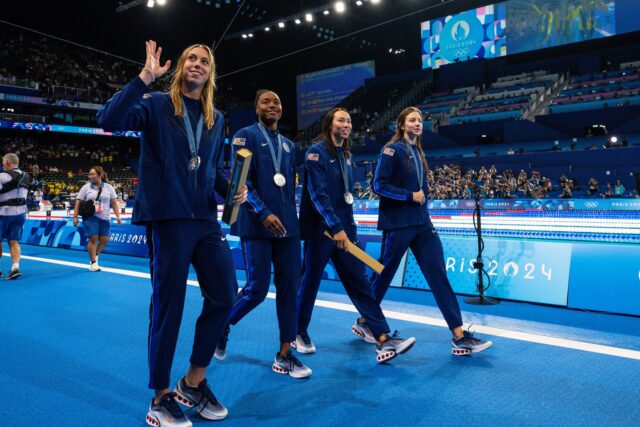
As mentioned above, the US secured the silver in Fukuoka and Paris, thanks to strong performances by Douglass and Huske. The pair returned to the relay in Singapore, joined by fellow Olympic medalists Gretchen Walsh and Simone Manuel. At the 2025 US Nationals, Huske, who claimed silver in the individual 100 free in Paris in a new PB of 52.29, set a new US Open record of 52.43, marking her second time under 52.50. With Walsh taking second in a new PB of 52.78 and Manuel breaking 53.00 for the first time since 2019, the USA seems poised to set another American record.

2021 Trials 2022 Trials 2023 Trials 2024 Trials 2025 Trials
1st place Abbey Weitzeil – 53.53 Torri Huske – 53.35 Kate Douglass – 52.57 Kate Douglass – 52.56 Torri Huske – 52.43
2nd place Erika Brown – 53.59 Claire Curzan – 53.58 Abbey Weitzeil – 53.11 Torri Huske – 52.93 Gretchen Walsh – 52.78
3rd place Olivia Smoliga – 53.63 Erika Brown – 53.59 Gretchen Walsh – 53.14 Gretchen Walsh – 53.13 Simone Manuel – 52.83
4th place Natalie Hinds – 53.84 Natalie Hinds – 53.65 Olivia Smoliga – 53.28 Simone Manuel – 53.25 Kate Douglass 
53.16
Cumulative Time 3:34.62 3:34.17 3:32.10 3:31.87 3:31.20
Result at Olympics/Worlds 3rd – 3:32.81 3rd – 3:32.58 2nd – 3:31.93 2nd – 3:30.20 AM ??

The quartet’s cumulative time sums to 3:31.20, exactly one second slower than their time in Paris (and not taking into account relay splits), and it is the first time since at least 2021 where the Americans, on paper, have been faster than the Australians, whose time added up to 3:33.61. While again, in all transparency, the Australians likely have much more time to drop,  but the USA does too, as Douglass was .60 off her PB and split 51.79 in Fukuoka on the mixed medley relay.

With the relay occurring on the first evening, Douglass, with a heavy schedule, is devoid of any doubles. Still, both Huske and Walsh will have the 100 fly semifinals in the same session, as will Australia’s Perkins. The USA’s recent illness woes may be a cause for concern, but the USA seemingly looks to be in a good position to recapture this World title for the first time since 2017, when Manuel anchored in 52.14.

In 2017, the Chinese team finished 6th, nearly five seconds behind the USA, and two years later, they finished 5th, but more than five seconds behind the winning Australians. A disappointing Tokyo Olympics saw the Chinese fade to 7th, but since then, they have been on a tear. Budapest 2022 saw them jump to 4th place, recording a time of 3:35.25, albeit still more than four seconds behind the leader. The following year in Fukuoka, they jumped onto the podium, winning bronze in a new record time of 3:32.40.

In Paris, they smashed that time, setting two national records at once, as not only did the team record a new best of 3:30.30, but also Yang Junxuan led off in 52.48, also resetting the national record in the event. Joined by Cheng Yujie (52.76), Zhang Yufei (52.75), and Wu Qingfeng (52.31), the quartet found themselves just a tenth of a second off the silver medal.

The Chinese return both Wu and Cheng to the relay, with the pair representing the 0th and 10th seeds in the individual 100 free. The pair are entered with seeds of 53.25 and 53.27 and were very similar to those times at their selection meet going 53.27 and 53.35. After those two, things dropped off as Yu Yiting and Yang Wenwen were 54.31 and 54.66 for 3rd and 4th. Giving the quartet a cumulative time of 3:35.59.

However, nothing says the Chinese need to use Yu Yiting and Yang Wenwen. Zhang Yufei will likely have the semifinals of the 100 fly before this relay, but she is certainly not alone with that double. Li Bingjie, too, could be an option as she has a personal best of 53.55 dating back to last year and just recently lowered her PB in the 200 free, but she too faces the issue of a busy schedule as she has the finals of 400 free in the same session and the 1500 prelims the next morning.

Losing Yang Junxuan, who is not on the roster for China, on the front leg is going to be tough to make up, but with three returning legs, the fact that the next four finishers fr0m Paris also all missing at least one leg, and with a buffer of over two seconds to the 4th place finsher, Canada, the Chinese are in a strong position to make a run at another podium finish.

“Under Pressure”

The Canadian women have more often than not finished amongst the top 4 in the World in this event over the past decade, highlighted by their Olympic silver medal in Tokyo and then following that up the next year in Budapest with a World silver. However, due to retirements and nationality changes, the Canadian women have been slowly moving down the rankings. Kayla Sanchez switching her sporting nationality to the Philippines, and Rebecca Smith not competing internationally in 2023, were two of the reasons the Canadians fell to 7th in Fukuoka.

SANCHEZ Kayla RUCK Taylor MACNEIL Margaret OLEKSIAK Penny

19th FINA World Swimming Championship, Budapest, 2022
courtesy of Fabio Cetti

2016 Olympic co-champion in the individual event, Penny Oleksiak, was also a key leg on those silver medal-winning relay but was also missing in 2023, and while she returned to help the team finish 4th in Paris, she has been forced to withdraw from Worlds in Singapore due to issues with anti-doping rule violations. Coupled with the retirement of Maggie MacNeil, the Canadians are going to need some strong performances from swimmers not traditionally known as 100 freestylers to help them stay ahead of the pack.

Taylor Ruck, who was a member of that 2022 Worlds team, is Canada’s lone entrant in the individual 100 and was just 54.41 at Canadian Trials. Behind her at Trials were Brooklyn Douthwright (54.74), Ingrid Wilm (55.15), and Sienna Angove (55.17), giving the quartet a cumulative time of 3:39.47. However, as mentioned, the Canadians can and likely will turn to superstar Summer McIntosh and Mary-Sophie Harvey.

Each has a busy schedule with McIntosh swimming the 400/800 free, 200 fly, and 200/400 IM, while Harvey tackles the 200 free, 200 breast, and 200/400 IM, but could, if the coaching staff feels like it, be added to the team. McIntosh has a flat start PB of 53.90 with Harvey at 53.71, and on paper, they would make strong additions to the team, but with the relay occurring in the same session as the 400 free final and 200 IM semifinals, it may be prudent not to overload them on day one of the meet.

France, in front of a home crowd, finished 6th in 3:34.99, just ahead of the Brits who finished in 3:35.25 for 7th, but like the Canadians, are looking at some new relay members. The French lose Charlotte Bonnet, their national record holder (52.74) and the 21st fastest performer of all time, while the Brits lose their national record holder (52.75) and the 22nd fastest performer of all time, Anna Hopkin.

Of the two nations, the French seem better placed, as Bonnet was their slowest leg in Paris, splitting 54.14 with a flying start, while Hopkin was the second fastest with a 53.31 lead-off. While each are just missing one swimmer from Paris, its not as easy as just putting the next fastest swimmer up as each have several options to play with.

Beryl Gastaldello‘s 53.60 from the French Nationals ranks here amongst the top 20 in the world, but she far and away leads the team. Behind her were Marina Jehl, Marie Wattel, and Albane Cachot, who were 54.24, 54.51, and 54.61, respectively. Those four on paper seem to be the best bets, but Mary-Ambre Moluh, who tied for 6th at 54.91, was on the relay in Paris and posted the squad’s fastest split of 53.37.

Freya Anderson won the British trials in 54.09, .01 ahead of Paris teammate Eva Okaro. The pair is a sure bet to make the relay team, but the other two spots are up in the air. Finishing in 3rd and 4th behind them were Freya Colbert (54.54) and Theodora Taylor (54.59); however, Taylor was not named to the team, leaving the last spot open.

6th and 7th place finishers Abbie Wood (54.98) and Lucy Hope (55.18) are on the team and while Wood was faster at the Aquatics GB Championships, she likely has the 200 IM semis in the same session and Hope does have a PB of 53.89, albeit dating back to 2021 and was their slowest leg in Paris going 54.95 off a flying start.

“Star[wo]man”

The depth of the Australians and the USA used to be matched by the Dutch, who claimed three medals in this event at the Olympics during the 2000s, capped by a gold at the 2008 Beijing Games. A year later, they re-broke their own World Record in 2009 at the peak of the super-suit era, winning in Rome with a time of 3:31.72 (a mark that would stand until the Aussies broke it in 2014).

ATHLETE: MARRIT STEENBERGEN
PHOTOGRAPHER: Gianmattia D’Alberto/LaPresse
USAGE: BTL (excludes ADV)

Even without the suits, the team won at the 2011 Worlds and claimed silver at the London Games. Yet slowly, with retirements, those golds and silvers turned to bronzes, and by 2019, they had fallen out of the medals. They have always been in the finals but have been relying on the prowess of Marrit Steenbergen, who, despite splitting 51.84 in Fukuoka, the Dutch finished 6th in a time of 3:35.41, more than three seconds back of the medals.

We haven’t spoken much about the 2024 Worlds in this article, and for good reason. While one cannot take away the accomplishments and medals from the meet, the placing bears little relevance to this article, as it was a sparsely attended meet. The Dutch team of Kim BuschJanna van KootenKira Toussaint, and Steenbergen topped the podium, claiming gold, but in 3:36.61, more than a second behind their time from Fukuoka. In Paris however, the Dutch may have been playing it a little too cautiously as they left Toussaint off the relay and finished 9th in the prelims, half a second out of qualifying for the final.

Steenbergen looks strong this season, posting a 52.77 in May of this year and sits second in the World. Joining her for a strong one-two punch is Milou Van Wijk. Absent from the team last year, the 20-year-old ripped a 53.18 in March of this year, which led the world rankings at the time and now sits 9th. After those two, with a small roster, the Dutch don’t have many options but likely will use Tessa Giele and Sam van Nunen, who were both part of the relay in Paris.

Getting the better of the Dutch in the prelims and taking that last spot in the final were the Italians. Much like the Dutch, the Italians have traditionally had a strong start to lead their team, with Federica Pelligrini taking the role for much of her career, but Sara Curtis is looking to jump into the role. Curtis was 53.93 in the prelims and 54.24 in the finals in Paris on the relay, but in the intervening few months has exploded, posting a new national record of 53.01 at the 2025 Italian National Championships this past April.

Curtis likely will be joined by Emma Virginia Menicucci, who is also entered in the individual 100 as well as by Chiara Tarantino and Sofia Morini, who rounded out their relay in Paris. The quartet finished 8th in the final with a 3:36.51, but with Curtis now over a second faster with a flat start, she alone could drop a second and a half from the time and easily undercut their national record of 3:35.90.

The only team not yet mentioned from the Olympic Final are the Swedes. No other nation fits better into this Heading as they do, as they have been led for years by Sarah Sjostrom, the world record holder and 2024 Olympic Champion in the individual event. However, with her absence and the retirement of two-time World medalist, Michelle Coleman, the Swedes have opted not to field a relay this year.

“Let’s Dance”

With the Swedes’ absence, the Dutch would be a likely candidate to jump into the final, but another team may have something to say about it, as the Neutral Athlete B team, made up from athletes who live within Russia, is making their return to this event.

Entered with no time, the NAB team is dangerously unseeded. They have two swimmers seeded amongst the top 16 in the individual event, with Daria Klepikova in 11th (53.48) and Daria Trofimova in 15th (53.75). Milana Stepanova and Arina Surkova joined those two in Budapest at Short Course Worlds, taking 4th in a new national record for Russia. But Stepanova, who is entered individually in the 200 back, and Surkova, who is entered in only 50s, may be replaced by Alexandra Kuznetsova and Daria Surushkina, who placed 3rd and 4th at their trials with times of 54.28 and 54.69.

The quartet’s time, from their trials, sums to 3:36.67, which puts them right into the mix of things.

“Where Are We Now?”

With the improvements made by the United States over the years, and with the Australians looking to their younger stars to fill in their gaps, this relay looks to be the Americans’ to lose. They defeated the Aussies by over three seconds at Short Course Worlds, but it’s not the most accurate indicator, as Douglass and G. Walsh are two of the best short-course swimmers in the world.

The Australians still do have MOC and Harris, who are a formidable twosome and should be enough to hold off the Chinese for the silver. After the top three things get a little tighter. The Canadians had a very strong performance in Budapest to win the bronze, but they lost Penny Oleksiak from that relay, and McIntosh’s availability is in question. The reloaded Dutch team and the NAB team look to be in contention for a high finish, but it’ll all come down to whether the Dutch’s two stars can do enough to keep their weaker legs out of trouble.

After them, the Italians, the Brits, and the French seem likely to duke it out for the last spots. The Italians look strong but will need Curtis to be on form. The French are in a similar boat with Gasteldello needing to be near perfect, and Wattel will need to return to form after having failed to qualify for any individual events. The Brits are the big question mark. Last year, Anderson was recovering from glandular fever and was a little off in Paris, but if she can get back into form and if Hope can pull herself back into the low 54 range, then they could be into the final.

SwimSwam’s Picks

Place Nation Entry Time National Record Olympic Finish
1 USA 3:30.20 3:30.20 Silver
2 Australia 3:28.92 3:27.96 Gold
3 China 3:30.30 3:30.30 Bronze
4 Netherlands 3:36.78 3:31.72 9th
5 Canada 3:32.99 3:31.78 4th
6 NAB N/A 3:37.68 N/A
7 Italy 3:36.28 3 8th
8 France 3:34.99 3:34.65 6th

Dark Horse: Hungary – The Hungarians finished 10th in Paris, swimming 3:37.33 in the prelims, but had set a national record of 3:36.77 a month earlier at the 2024 European Championships. A few months later, in front of a home crowd and in short-course meters, the same quartet of Nikolett Padar, Panna Ugrai, Petra Senanszky, and Lilla Minna Abraham set another new national record, finishing 7th in a time of 3:30.10. Better suited to the 800 free relay, the Hungarians could sneak into the final, especially is some nations in front of them don’t put forth their strongest prelim line-up. 

Read the full story on SwimSwam: 2025 World Championships Preview: Changes Afoot – US Poised to Topple Aussies in W. 4 FR Relay


Should You Invest in Travel Insurance?

0

When I first started traveling, I was at odds with myself. I would ask myself the same question: “Is travel insurance worth it? Nothing is going to happen…right?”

It’s especially hard because, when I’ve just spent so much money on my travels themselves, it can feel like a waste to part with yet another chunk of cash for something I might not even need.

Years ago, I didn’t bother buying traveling insurance. Now, after a decade of traveling, I won’t travel without it. While it might seem like an annoying expense, trust me—travel insurance is worth it.

My $8,000 surgery in Singapore? Covered.

Another $7,000 worth of hospital visits in Bangkok? Covered.

I’ve heard stories of broken legs, broken backs, helicopter evacuations, near-death drownings…you name it, it’s happened. Not to mention all the flight delays, lost luggage and stolen smartphones.

And, at the risk of sounding far-fetched and cliché, these things do happen to people like you and me.

What Does Travel Insurance Cover?

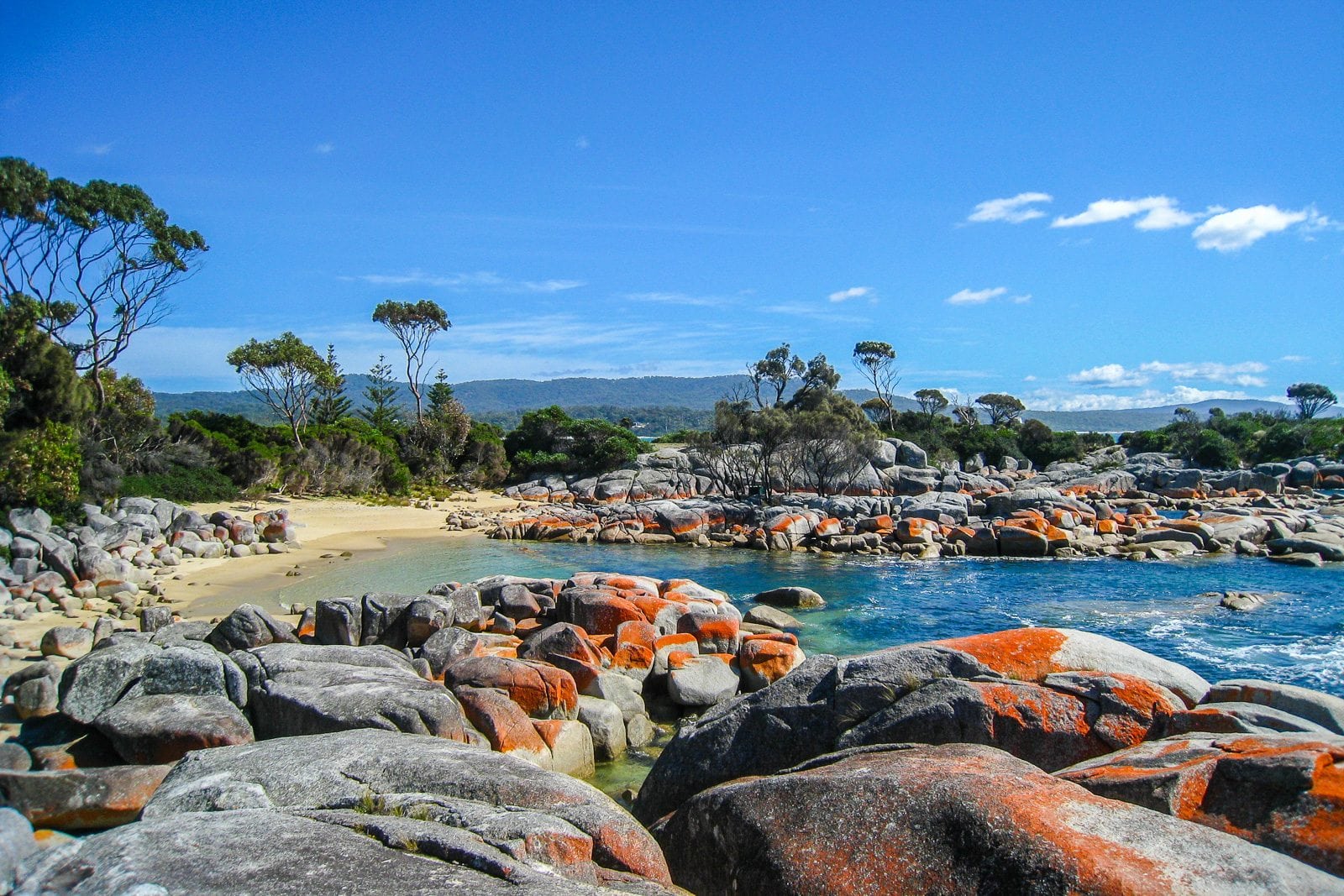
Imagine waking up to views like this!

You should always do your due diligence when choosing the best travel insurance.

It’s also worth noting that travel insurance is not only health insurance. What is travel insurance? Travel insurance covers your trip itself and it also covers medical expenses, should you be unfortunate enough to have them.

So is buying travel insurance worth it? Let’s take a look at exactly what you will be paying for if you decide to buy travel insurance.

Trip Cancellation and Interruption

The only thing worse than your travel plans getting ruined is losing all the money you spent on it!

Should your journey be canceled or delayed because you get sick, or if there’s a hurricane or any type of personal or worldly catastrophe, your travel insurance company will reimburse you for everything. But remember—you have to purchase coverage before the trip gets canceled.

One thing to note is that most trip cancellation insurance plans will only pay out if your trip is canceled for an approved reason (things like a serious illness to yourself or a family member, canceled flights, or other “legitimate” reasons). You usually can’t just decide you don’t want to go to Jamaica anymore and expect to get your money back.

If you want the most peace of mind, you can opt to buy cancel for any reason (CFAR) coverage. This usually doesn’t cost a ton more and means trip cancellation is covered no matter what.

Lost or Damaged Baggage and Belongings

If your bags get lost or stolen, your travel insurance will pay to replace your items. Typically this only covers up to a set dollar amount, so make sure your policy has a high enough limit to protect all your belongings.

Whenever I am checking luggage, I stress about whether it will get lost in transit and end up in Antarctica, get chewed up by an angry conveyor machine, or be tossed off a building by a negligent baggage handler (those guys seem to have way too much fun throwing things around violently). Having baggage insurance at least gives me some assurance that if anything bad happens to my stuff, I’ll get some reimbursement for it.

Travel Medical Insurance

The ideal scenario is that you don’t get hurt or sick while you are traveling, but if you do, your normal health insurance probably won’t cover emergency medical care in another country. I can’t emphasize enough how important it is to have good travel insurance with medical coverage when you travel.

Trust me, even if you don’t think anything will happen to you on your trip, I’ve experienced unexpected overseas hospital trips first-hand, and all I can say is, I’m glad I had insurance.

Of course, it’s not likely or ideal that you get hurt on your trip, but if you do and you aren’t covered by a decent insurance policy, you could face medical or repatriation costs that run up into the hundreds of thousands or even millions of dollars (seriously).

Emergency Medical Evacuation

In some cases, rather than undergoing medical treatment in a foreign country, it’s better to return home. Unfortunately emergency evacuation can be incredibly expensive.

An air ambulance from the United States to the UK will cost you around $50,000 if you don’t have insurance.

Suddenly those couple hundred dollars you spent on travel insurance seems a lot more attractive, doesn’t it?

Nobody wants to be “that guy” who makes a panicked phone call to their parents telling them they need $50,000 for hospital bills and an air ambulance across the ocean.

Most travel insurance plans will not just cover medical expenses abroad, but they’ll also pay for medical evacuation. That can save you some hefty bills.

Additional Coverage

Trip cancellation and interruption, lost/damaged items, and medical emergency coverage are the basics of travel insurance, but many policies include a lot more (or have options you can add on).

Here are some common travel insurance benefits you may want to watch for as you’re shopping around. You probably won’t need everything, so look for a plan that fits your needs.

  • Pre-existing medical conditions: If you have any pre-existing medical conditions, look for travel insurance that will still cover you. Sometimes you may have to pay a little more, but it’s definitely worth having.
  • Adventure sports: Some travel insurance policies won’t cover medical costs if you’re injured while doing a “risky” activity like skydiving, skiing, or mountaineering. If you like to live on the wild side, look for a plan that offers adventure sports coverage.
  • Rental car insurance: You know when you go to rent a car and they ask if you want to pay for insurance? Well many travel insurance plans come with rental car insurance included!
  • Missed connection coverage: If you miss a flight connection, many plans will help cover the costs to rejoin your scheduled trip. This could include unexpected hotel stays or additional transportation costs.
  • Vacation rental damage: So you accidentally spilled wine all over the white couch at your AirBnB (shit happens). Vacation rental coverage will help pay for any damage during your stay.
  • Pet care: If you are delayed on your return travels, some insurance will cover costs for pet kenneling until you get home.

When you cover yourself with travel insurance, you could save yourself from losing thousands of dollars if your trip is unexpectedly canceled, if you become ill or get injured, or if anything else happens. The whole point of travel insurance is to protect you in case of unforeseen events.

What Doesn’t Travel Insurance Cover?

To be clear, travel insurance isn’t a fool-proof unlimited guarantee that you’ll get your trip funds reimbursed. Most trip cancellation insurance will only pay out claims for events that happen outside your control (unless you buy cancel for any reason coverage).

Many plans also don’t cover expenses related to pre-existing medical conditions or if you’re injured while participating in an activity that’s not approved on the policy. Of course, you can always find plans or add-ons that offer more coverage for medical conditions or adventure activities.

As with anything, it’s worth reading the fine print before buying a plan. Make sure you get what you need, even if you have to pay a bit more.

How Much Does Travel Insurance Cost?

Travel insurance doesn’t cost as much as you probably think it does. Obviously, it depends on who you buy insurance with (and what, exactly, it covers), but it’s a small price to pay for a safe trip abroad.

I bought a comprehensive travel insurance policy for an entire year of traveling in Asia for somewhere around $450.

At first, $450 might seem like an eye-watering price to pay, but in reality, it’s just over a dollar a day. My health (and peace of mind) is well worth that. Travel insurance costs are MUCH lower than the cost (and headache) of having to pay for medical bills, an interrupted trip, or lost baggage while traveling.

The policy I chose covered:

  • Up to $10 million in medical expenses.
  • $200 towards replacing necessities in delayed baggage.
  • $5,000 of cancellation reimbursements.
  • $1,500 for trip interruptions – so that you can continue your trip if an emergency happens and you have to go home.
  • $25,000 payout for personal accidents.
  • $500 for loss or theft of money.
  • $600 to replace lost or stolen travel documents and to cover expenses of travel or accommodation you need in the process.

As you can see, I had myself pretty much covered from every angle.

No, handing over a couple hundo isn’t my favorite activity in the world. It is, however, in every way, preferable to spending 10 or 100 times that amount because I got hurt or because my laptop was stolen.

When Can You Skip Buying Travel Insurance?

Hopefully you’re getting the picture that travel insurance coverage is absolutely worth it, but maybe you’re asking yourself if there’s a situation where you don’t really need it?

Well, yes, in some instances, you may be fine without travel insurance. If you are flying domestically within the US, flights are much less expensive, and your normal medical insurance should cover any medical emergency costs. So, for shorter trips in the U.S., you should be fine without having to purchase travel insurance. Plus, depending on the credit card you have, some level of travel insurance may be included with it.

That said, for more expensive trips, even inside the U.S., you can still get a lot of peace of mind with trip cancellation coverage. This covers nonrefundable trip costs like hotel stays in case your trip is canceled or interrupted.

Fortunately, most travel insurance companies offer policies for trip insurance without needing to pay for included travel medical insurance. These plans are usually very affordable and can save you a lot of cash if your trip is canceled or interrupted.

Plus, you can often get other travel insurance benefits like rental car coverage, vacation rental damage protection, pet care if your trip is delayed, and more.

So, for cheap domestic trips, you can usually get away without travel insurance. For anything else, especially international trips, there’s no getting around the fact that YOU NEED TRAVEL INSURANCE!

How Do You Choose Travel Insurance?

There are literally hundreds of insurance companies that will offer you every type of policy under the sun. This can make choosing the right travel insurance quite tough. You want to make sure it’s comprehensive but you also don’t want to pay through the roof for it!

I am a fan of Heymondo because they offer solid coverage at a good price and have a good reputation for paying out claims. I can personally attest to that.

The average traveler primarily wants to look for comprehensive medical coverage. That said, I travel with expensive camera gear and electronics, so I need coverage for my belongings, too.

I normally opt for a policy that will pay for medical expenses up to $5,000,000, including repatriation costs. The more you can get on this front the better. Bear in mind that if you are buying travel insurance for high-risk destinations or activities, your premium is likely to be a bit higher.

With Heymondo, I’ve found the price difference to be negligible.

How Do You Purchase Travel Insurance?

Finally ready to cough up the cash to purchase travel insurance? Lucky for you, buying a policy is super simple. You typically have two options: either buy directly from a travel insurance company, or shop and compare policies through a comparison site like SquareMouth.

With SquareMouth, you just enter your trip details, and they’ll search through dozens of different providers to give you several plan quotes to choose from. I like using SquareMouth to quickly compare many different plans to find the best options and prices.

However, using a comparison site like this, you don’t get plans from every provider, and you can’t always see all the customization options that you might get from an individual company. If I know specifically what I need, I prefer going through individual company websites to generate custom quotes. I love options, and the best companies have a lot to choose from.

Some of my favorite travel insurance companies to use are HeymondoSafetyWing, and Faye. You can also check out my full list of the Best Travel Insurance Companies.

So, Is Travel Insurance Worth It?

This will be the least exciting part of your travel plans and you may even shed a tear when you buy that policy. But trust me when I say that travel insurance is definitely worth it.

When you travel, the unexpected happens. That’s the whole point of travel! Unexpected things can’t be expected (obviously), and there’s a reason they call it an accident. From medical emergencies to canceled flights, it’s always better to be prepared.

Though it may sound obnoxious to say, I honestly believe that if you can’t afford travel insurance then you can’t afford to travel.

Travel Insurance FAQs

What are the disadvantages of travel insurance?

The only downside of travel insurance is the cost. But the protection is well worth what you pay.

Will travel insurance cover cancellation?

Yes, almost all travel insurance plans cover trip cancellation, though only for approved reasons.

What is a good rate for travel insurance?

As a general guide, travel insurance will cost between 5% and 10% of your total trip expenses.

Why should I consider travel insurance?

Travel insurance is really quite affordable and could save you thousands if something goes wrong.

How many days before a trip should you buy travel insurance?

You can buy travel insurance at any time before your trip. Prices don’t go up as you get closer.

Is theft covered under travel insurance?

If your plan has lost baggage protection, then you are covered up to the specified maximum amount.

Can you fly without travel insurance?

You’re free to travel anywhere in the world without travel insurance, but it’s still worth getting.

How long do travel insurance claims take?

Depending on your company, getting reimbursed can take from 5 business days to several weeks.

About the Author

Jeremy Scott Foster

Jeremy Scott Foster is an adventure-junkie, gear expert and travel photographer based in Southern California. Previously nomadic, he’s been to ~50 countries and loves spending time outdoors. You can usually find him on the trail, on the road, jumping from bridges or hustling on his laptop working to produce the best travel and outdoors content today.

More Articles »

MIT’s device inspired by remora fish replicates their suction capabilities

0

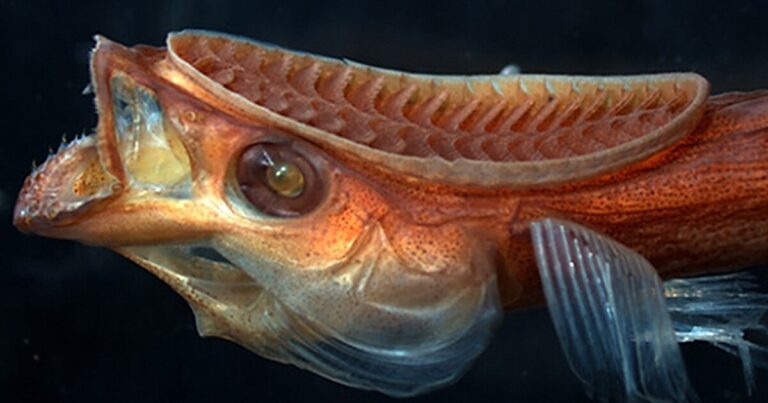
There’s a type of ocean fish called the Remora that has an oval slatted disc on the top of its head which it uses like a suction cup to stick to sharks and other larger marine creatures.

This curious family of fish develops mutualistic arrangements with host animals in order to stay safe in treacherous waters, while also keeping ectoparasites at bay.

But it’s that suction cup-like organ that’s inspired Massachusetts Institute of Technology (MIT) researchers to create a capsule-sized platform that can stick to a wide range of surfaces when submerged in water or even acidic conditions.

That means it can be fitted to oral medications meant for long-term drug delivery in your digestive tract, and even to aquatic robots for underwater research.

Mechanical Underwater Adhesive Devices for Soft Substrates

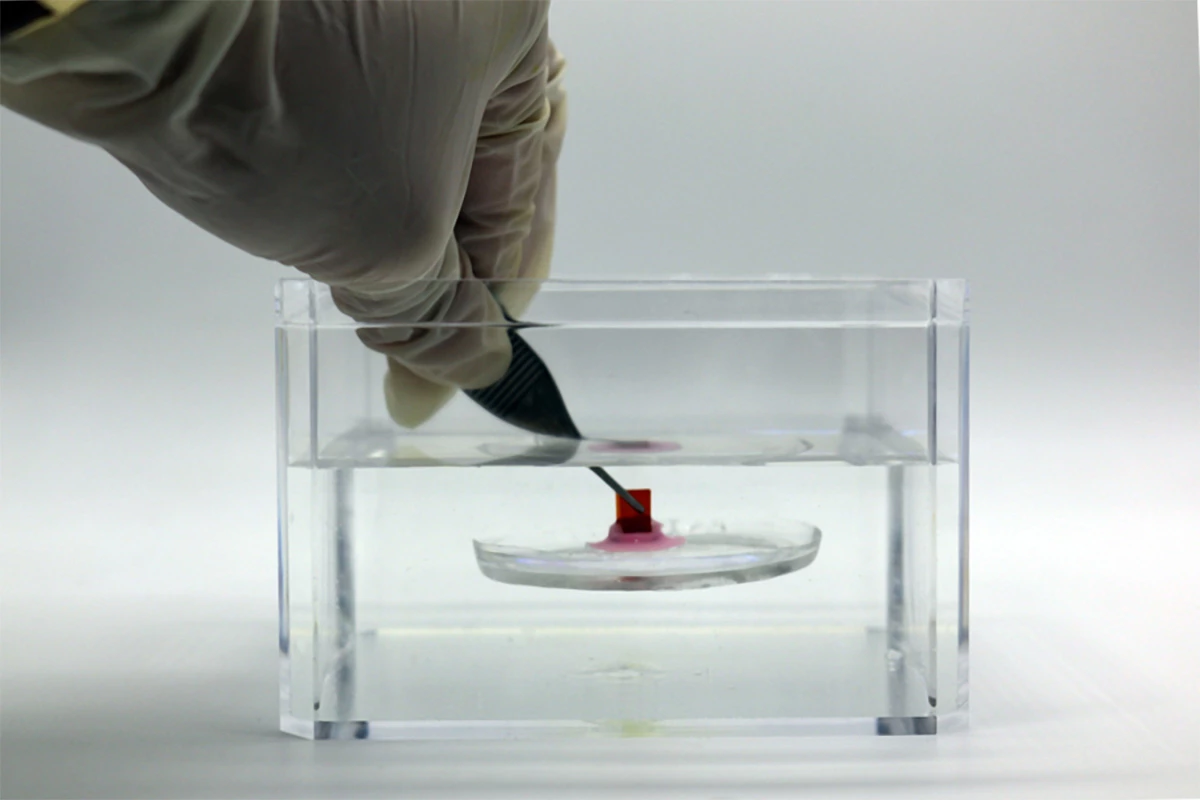
This bioinspired device, dubbed MUSAS (short for Mechanical Underwater Soft Adhesion System) doesn’t use any power or batteries. It consists of a stainless steel ‘backbone’ that supports silicone rubber and temperature-responsive smart materials shaped into rows of little angled plates called lamellae – similar to the arrangement of tissue on the remora’s plunger-like disc.

A close-up of the MUSAS device with its rows of lamellae pointing upwards

Image courtesy of the researchers

MUSAS’ lamellae include microneedle-like structures made from a temperature-responsive smart material, similar to spinules on a remora. When exposed to body temperatures, these needles interlock with each other and grasp onto the tissue surface that the platform is in contact with. Like the sharksucker fish, the MUSAS has a suction cup structure, a lamellae arrangement that creates more compartments for stronger pressure-based suction, as well as the aforementioned microneedles. These enable the device to strongly adhere to soft surfaces in aquatic or liquid environments.

To test MUSAS, the researchers fitted it with a temperature sensor and then attached the device to a fish. It stayed on even as the fish swam through water in a tank at high speeds – proving this could be used for aquatic research.

MIT's novel adhesive system that can attach firmly to soft surfaces, even underwater
MIT’s novel adhesive system that can attach firmly to soft surfaces, even underwater

Image courtesy of the researchers

They also fit MUSAS on a compact impedance sensor and tested adhering to the esophagus of pigs, so they could monitor gastric fluid reflux. The team’s success with this experiment means this system could be an effective alternative to how GERD – a common chronic digestive condition – is currently monitored with the use of a tube that goes through your nose or mouth before being pinned to your esophagus.

An illustration depicting how the MUSAS would be delivered into the body inside a capsule

Image courtesy of the researchers

MUSAS also proved effective in delivering therapeutics over long periods of time – we’re talking about a week – by having the drugs integrated into its materials and diffusing out into the body gradually. The researchers tested a HIV drug, as well as RNA. This could address the challenges around taking regular doses of medicine for better outcomes.

The team, whose paper on MUSAS appeared in Nature this week, will explore how the device can help deliver other drugs and vaccines, as well as delivering zaps of electricity to stimulate appetite by activating specific hormones in the body.

Source: MIT News

2025 Women’s Africa Cup of Nations Final: Nigeria vs Morocco – Teams, Start Time | Football Update

0

Nigeria hunt a 10th WAFCON title against a Morocco side seeking their first when the pair face off in Rabat.

Who: Nigeria vs Morocco
What: Women’s Africa Cup of Nations final 2025
Where: Olympic Stadium in Rabat, Morocco
When: Saturday at 8pm (19:00 GMT).

Two of the continent’s footballing powerhouses will contest the Confederation of African Football’s (CAF’s) 2025 Women’s Africa Cup of Nations (WAFCON) final in Rabat on Saturday as Nigeria take on host nation Morocco.

It’s the 13th edition of the tournament, which was pushed back a year due to scheduling issues.

Al Jazeera takes a look at the match, which could mark a shift in power in the women’s game in Africa.

How many WAFCONs have Nigeria and Morocco won?

Nigeria are the record nine-time champions.

Morocco are yet to lift the trophy but did reach the final on home soil three years ago when they were defeated by South Africa.

How did Nigeria reach the WAFCON final?

Nigeria opened with a 3-0 win against Tunisia, but the highest ranked team needed a late winner to squeeze past the lowest-ranked side, Botswana. A 0-0 draw in their final group game with Algeria secured the top spot in Group B.

The Super Falcons hammered Zambia 5-0 in the quarterfinals before overcoming holders South Africa 2-1 in the last four.

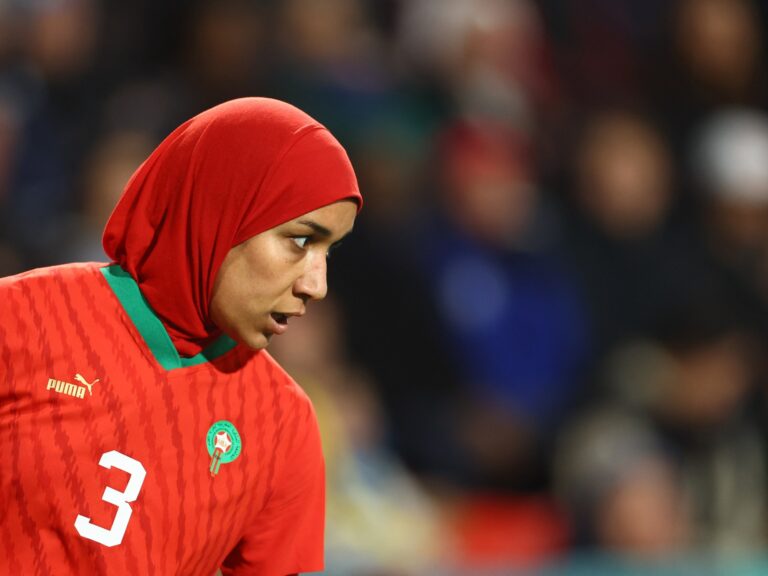
Morocco’s defender Nouhaila Benzina and Ghana’s forward Doris Boaduwaa vie for the ball during the 2025 Women’s Africa Cup of Nations semifinal [Abdel Majid Bziouat/AFP]

How did Morocco reach the WAFCON final?

Morocco also remain unbeaten but opened the tournament with a 2-2 draw against Zambia. A 4-2 win against the Democratic Republic of the Congo (DRC) and 1-0 win against Senegal sealed Group A.

Mali were overcome with a 3-1 win in the last eight before Ghana awaited in the semifinal, in which Morocco needed a penalty shootout following a 1-1 draw after extra time.

‘Mission X’ on Nigeria’s minds

The Nigerian side have come up with branding for their attempt to lift a 10th WAFCON title.

Looking to bounce back from their fourth-place finish in the 2022 edition, the Super Falcons dubbed their ambition to win this event as “Mission X”.

A winning mentality in the Morocco camp

Morocco’s ranks are bolstered by 2022 player of the tournament Ghizlane Chebbak, who netted a hat-trick against the DRC.

Atlas Lionesses coach Jorge Vilda could be heading to back-to-back international titles, having led Spain to the 2023 World Cup.

Who are the leading scorers at WAFCON 2025?

Four goals: Chebbak, Nguenar Ndiaye (Senegal)

Three goals: Ibtissam Jraidi (Morocco), Chinwendu Ihezuo (Nigeria), Barbra Banda (Zambia), Racheal Kundananji (Zambia)

Where is WAFCON 2025 being staged?

Morocco have hosted the last two WAFCON finals as the North Africans’ place as a pre-eminent footballing force on the continent is reinforced.

The Royal Moroccan Football Federation is also preparing to stage the 2025 men’s edition of the Africa Cup of Nations and co-host the 2030 FIFA World Cup.

Where is WAFCON final being staged?

The Olympic Stadium in Rabat with a capacity of 21,000 people will host the final.

What is the prize money for WAFCON 2025?

CAF increased the tournament prize pot by 45 percent to $3.475m.

The prize money for the winners has doubled since the last edition with the victors of Saturday’s match sharing $1m.

Predicted lineups

Possible Nigeria lineup: Nnadozie, Ohale, Plumptre, Okoronkwo, Echegini, Demehin, Ajibade, Ayinde, Ihezuo, Ijamilusi, Alozie

Possible Morocco lineup: Er-Rmichi, Redouani, Benzina, Chebbak, Jraidi, Badri, Tagnaout, Rabbah, Ait El Haj, Ouzraoui, Mrabet

Bitcoin drops as expectations for Fed rate cut fade

0

Bitcoin declined alongside broader risk assets Friday as receding hopes for U.S. interest rate cuts dented investor appetite. 

The largest cryptocurrency dropped to a low of $114,762, the lowest since July 11, before slightly paring those losses. Ether, the second-largest digital token, traded broadly flat and XRP was down around 3% as of 7:10 a.m. in New York. 

Bitcoin had reached an all-time high of $123,205 earlier in the month, continuing a steady advance driven by optimism on the US regulatory environment and strong inflows into crypto investment products. 

“The broader uptrend remains intact, but momentum has cooled and traders are cautious,” said Rachael Lucas, a crypto analyst at BTC Markets.

Stronger-than-expected US jobs data on Thursday dimmed Fed cut hopes, ending a seven-day Asian stock rally and pressuring crypto.

The crypto market’s decline is “a healthy and necessary correction” from previous highs, according to Alex Kuptsikevich, chief market analyst at FxPro. The total value of all cryptocurrencies in circulation briefly topped $4 trillion in July, according to CoinGecko data.

Even a decline to the $3.4 trillion mark would be viewed as profit-taking, Kuptsikevich said in a note on Friday. “As long as the market remains above this level, there is no point in talking about a change in the medium-term trend,” he added.

Bearish sentiment was also evident in the derivatives market where an unidentified speculator paid about $5 million in premium on the Deribit exchange to buy Bitcoin put options expiring on Aug. 8 at the strike price of $110,000, according to prime broker FalconX, which facilitated the trade.

“We expect to see further consolidation while Bitcoin remains below monthly trendline resistance, currently at around $125,000, which capped Bitcoin’s advance last week,” said Tony Sycamore an analyst at IG Australia.

On the new Fortune Crypto Playbook vodcast, Fortune’s senior crypto experts decode the biggest forces shaping crypto today. Watch or listen now