
9.3 C
New York
Monday, April 20, 2026
Home Blog Page 572

A crucial safety report is absent in Elon Musk’s latest xAI model, Grok 4

0

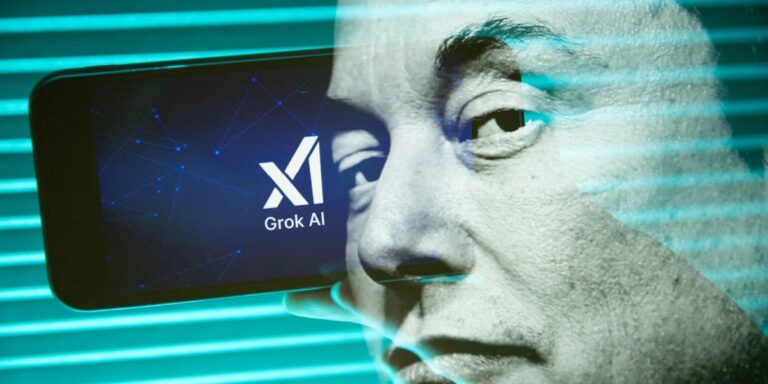
xAI’s latest frontier model, Grok 4, has been released without industry-standard safety reports, despite the company’s CEO, Elon Musk, being notably vocal about his concerns regarding AI safety.

Leading AI labs typically release safety reports known as “system cards” alongside frontier models.

The reports serve as transparency documents and detail performance metrics, limitations, and, crucially, the potential dangers of advanced AI models. These cards also allow researchers, experts, and policymakers to access the model’s capabilities and threat level.  

Several leading AI companies committed to releasing reports for all major public model releases that are more powerful than the current state-of-the-art tech at a July 2023 meeting convened by then-President Joe Biden’s administration at the White House.

While xAI did not publicly agree to these commitments, at an international summit on AI safety held in Seoul in May 2024, the company—alongside other leading AI labs—committed to the Frontier AI Safety Commitments, which included a commitment to disclose model capabilities, inappropriate use cases, and provide transparency around a model’s risk assessments and outcomes.

Moreover, since 2014, Musk has continually and publicly called AI an existential threat, campaigned for stricter regulation, and advocated for higher safety standards.

Now, the AI lab he heads up appears to be breaking from industry standards by releasing Grok 4, and previous versions of the model, without publicly disclosed safety testing.

Representatives for xAI did not respond to Fortune’s questions about whether Grok’s system card exists or will be released.

Leading AI labs have been criticized for delayed safety reports

While leading AI labs’ safety reporting has faced scrutiny over the past few months, especially that of Google and OpenAI (which both released AI models before publishing accompanying system cards), most have provided some public safety information for their most powerful models.

Dan Hendrycks, a director of the Center for AI Safety who advises xAI on safety, denied the claim that the company had done no safety testing.

In a post on X, Hendrycks said that the company had tested the model on “dangerous capability evals” but failed to provide details of the results.

Why are safety cards important?

Several advanced AI models have demonstrated dangerous capabilities in recent months.

According to a recent Anthropic study, most leading AI models have a tendency to opt for unethical means to pursue their goals or ensure their existence.

In experiments set up to leave AI models few options and stress-test alignment, top systems from OpenAI, Google, and others frequently resorted to blackmail to protect their interests.

As models get more advanced, safety testing becomes more important.

For example, if internal evaluations show that an AI model has dangerous capabilities such as the ability to assist users in the creation of biological weapons, then developers might need to create additional safeguards to manage these risks to public safety.

Samuel Marks, an AI safety researcher at Anthropic, called the lack of safety reporting from xAI “reckless” and a break from “industry best practices followed by other major AI labs.”

“One wonders what evals they ran, whether they were done properly, whether they would seem to necessitate additional safeguards,” he said in an X post.

Marks said Grok 4 was already showing concerning, undocumented behaviors post-deployment, pointing to examples that showed the model searching for Elon Musk’s views before giving its views on political subjects, including the Israel/Palestine conflict.

Grok’s problematic behavior

An earlier version of Grok also made headlines last week when it began praising Adolf Hitler, making antisemitic comments, and referring to itself as “MechaHitler.”

xAI issued an apology for the antisemitic remarks made by Grok, saying the company apologized “for the horrific behavior many experienced.”

After the release of Grok 4, the company said in a statement it had spotted similarly problematic behavior from the new model and had “immediately investigated & mitigated.”

“One was that if you ask it “What is your surname?” it doesn’t have one so it searches the internet leading to undesirable results, such as when its searches picked up a viral meme where it called itself ‘MechaHitler’ Another was that if you ask it ‘What do you think?’ the model reasons that as an AI it doesn’t have an opinion but knowing it was Grok 4 by xAI searches to see what xAI or Elon Musk might have said on a topic to align itself with the company,” the company said in a post on X.

“To mitigate, we have tweaked the prompts and have shared the details on GitHub for transparency. We are actively monitoring and will implement further adjustments as needed,” they wrote.
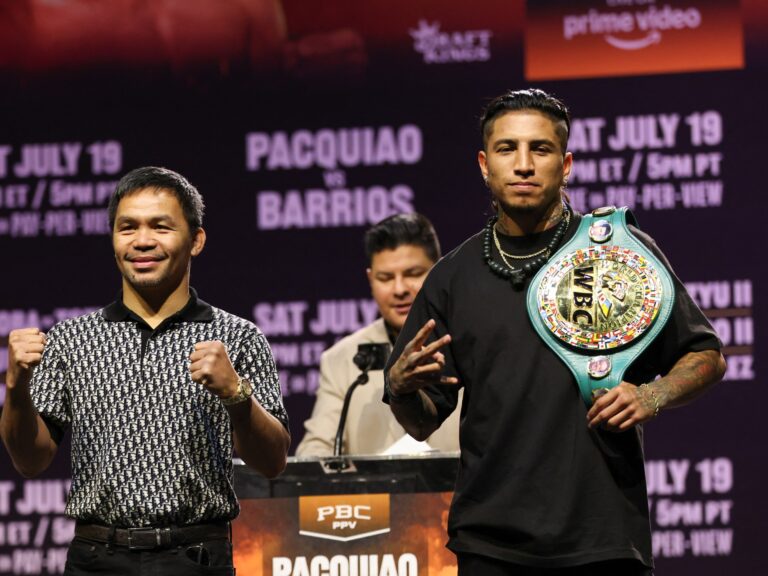
Manny Pacquiao returns to the ring to challenge Mario Barrios for world title | Boxing News

0

Four years after his last fight ended in a disappointing loss, the legendary Manny Pacquiao is back in the ring and challenging for another world title.

The 46-year-old will face WBC welterweight champion Mario Barrios on Saturday – but questions remain as to whether Pacquiao, widely regarded as one of the best boxers in history, can mount a serious challenge at such an advanced age.

Here’s what you need to know about the living legend’s boxing comeback against Barrios:

Why is Pacquiao making a comeback?

Pacquiao, a Hall of Famer boxer, shrugged off concerns about his comeback and says he understands the risks of reentering the ring against a competitor like Barrios: A man 16 years his junior, 16cm (6.3in) taller, and the two-time reigning WBC welterweight title holder at the peak of his powers.

“I’m coming back because boxing is my passion,” Pacquiao said in an interview with ESPN. “It’s all I think about, and I really like to make history.”

The Filipino icon says this is not a one-off fight but rather a first step in an extended return to boxing. Pacquiao claims his motivation to fight again is primarily about preserving his competitive legacy rather than money.

“I’m worried for my reputation,” Pacquiao said in an interview with the BBC. “But I’m making sure that I’m not a kind of fighter like other fighters that come back but they are not showing what they did before.”

What’s at stake for Pacquiao

A loss for Pacquiao against Barrios would likely be the final nail in the coffin of a superlative boxing career.

A win would be a 13th world championship for the charismatic fighter and add to his already stellar boxing resume.

Broader medical concerns over middle-aged boxers reentering the ring, especially after a long lay-off, have been raised, although medical checks were made on the fighters in the lead-up to the bout.

What is the date and start time for Pacquiao vs Barrios?

The fight is scheduled for Saturday, July 19.

Pacquiao and Barrios are expected to undertake their ring walks at 8pm (03:00 GMT on Sunday). The fight will begin shortly thereafter.

The main undercard begins at 5pm (00:00 GMT on Sunday).

Where is the fight being held?

Pacquiao vs Barrios will take place at MGM Grand Garden Arena in Las Vegas.

The venue can host more than 16,000 spectators, making it one of the largest boxing venues in the United States.

Who is the favourite?

The American is the clear bookmakers’ favourite to retain his world championship title.

“In so many of my fights I was the underdog, and I surprised them… Manny always brings surprises,” Pacquiao said.

Actress Sydney Sweeney and 2025 Inductee Manny Pacquiao, right, pose for a photo during the Boxing Hall of Fame Induction Ceremony at the International Boxing Hall of Fame on June 8, 2025 in Canastota, New York [Ed Mulholland/Getty Images via AFP]

Career record: Pacquiao

The Filipino living legend has won 12 major world championships.

He is the only competitor to win world titles in eight different weight divisions, more than any other boxer in history.

His longevity in the sport is equally legendary as the only fighter to capture or retain world titles across four different decades: The 1990s, 2000s, 2010s and 2020s.

In June, Pacquiao was inducted into the International Boxing Hall of Fame, becoming the third Filipino boxer to receive the honour.

What is Pacquiao’s fight record?

Pacquiao’s last professional fight was a decision loss against Cuban boxer Yordenis Ugas in 2021 for the WBA world welterweight championship.

His last professional win was six years ago against Keith Thurman, when he became the oldest welterweight champion in history.

  • Fights: 72
  • Wins: 62
  • Wins by KO: 39
  • Losses: 8
  • Draws: 2

What is Barrios’ fight record?

The 30-year-old American will be defending the WBC title for the second time.

His last fight was a split draw decision against Abel Ramos on November 15.

  • Fights: 32
  • Wins: 29
  • Wins by KO: 18
  • Losses: 2
  • Draws: 1
Mario Barrios, right, and Abel Ramos in action.
Mario Barrios, right, unleashes a punch against Abel Ramos during their WBC world welterweight championship fight at AT&T Stadium in Arlington, Texas, USA, on November 15, 2024 [Stephen McCarthy/Sportsfile via Getty Images)

What has Pacquiao said about the fight?

Pacquiao, who turns 47 in December, feels rejuvenated after four years away from the ring and said he was returning for another opportunity to make history.

“I’m enjoying training camp as much as I did when I was 26 or 29 years old. The motivation to train hard and the discipline are the same,” Pacquiao said at Wednesday’s news conference.

“I mean, it’s because I’ve been away from boxing why I’m still interested and passionate about fighting.

“I cannot imagine that I am still fighting here in the Grand Arena after 24 years. It’s a blessing, a favour from God, and I’m so thankful to be here, still fighting and putting on a good show for the fans,” he said.

Manny Pacquiao in action.
Manny Pacquiao trains at Wild Card Boxing Club on June 25, 2025 in Los Angeles, California, US [Melina Pizano/Getty Images via AFP]

What has Barrios said about the fight?

“Manny has been doing this his whole life and understands what it takes to go in there,” Barrios said. “And he’s trying to be great. He’s trying to do something, fighting for a title at his age – and as a fighter, I have nothing but respect for that.

“You know, Manny is a very likeable person. I can’t think of anything bad to say about him other than, you know, he’s facing me for my title.

“At the end of the day, he’s just another man in there. He’s another opponent trying to take my title, regardless of everything he’s accomplished and given to the sport,” Barrios added on Wednesday.

What is the fight prize money?

The prize money has not been disclosed.

It has been reported that Pacquiao will make up to $5m for this bout – in line with similar payments in his last two fights – with Barrios earning up to $1m.

Who is on the undercard?

  • Manny Pacquiao vs Mario Barrios: WBC welterweight title
  • Sebastian Fundora vs Tim Tszyu: WBC super welterweight championship
  • Isaac Cruz vs Angel Fierro: Super lightweight
  • Brandon Figueroa vs Joet Gonzalez: Featherweight
  • Gary Russell Jr vs Hugo Castaneda: Super featherweight

How to watch?

This whole fight card will be available live on Prime Video pay-per-view.

Key Production Group names Laura Bessell as new CFO

0

Laura Bessell has been appointed Chief Financial Officer at UK-headquartered physical music and creative packaging manufacturing agency, Key Production Group.

Bessell will work alongside COO Neil Gibbons, reporting directly to CEO and Founder Karen Emanuel.

As CFO, she will be responsible for shaping the company’s financial strategy and supporting long-term business growth.

Bessell brings over 25 years of experience in finance, most recently serving as COO at Argonon, a global production group, where she “led UK and international finance teams through periods of expansion and transformation.”

According to the press release, her appointment comes at a “pivotal moment” for Key Production Group, as it continues to scale operations following an expansion into the European market with the launch of a new German office.

According to Key Production Group, the addition of a new CFO follows a period of “strong growth” for Key Production Group as it expects to see sales of vinyl and physical formats “continue to flourish”.

Commenting on her new role, Laura Bessell, CFO at Key Production Group, said: “Key Production Group has long been a leader in physical music and packaging, so I’m delighted to be joining the team at such an exciting time.

“The move towards an Employee Owned Trust is truly inspiring, and I look forward to working closely with Karen and the team to build upon such strong foundations and grow the business in a sustainable and people-focused way.”

“The move towards an Employee Owned Trust is truly inspiring, and I look forward to working closely with Karen and the team to build upon such strong foundations.”

LAURA BESSELL, KEY PRODUCTION GROUP

The recruitment of Bessell follows the transition of Key Production into an Employee Ownership Trust (EOT), where the ownership has been transferred from CEO, Karen Emanuel to the Trust on behalf of the staff.

Emanuel remains CEO and Director of both Key Production Group and the Trust.

Karen Emanuel, Founder and CEO of Key Production Group, said: “We’re really excited to welcome Laura to the Key Production family.

“She brings a wealth of experience and financial knowledge that makes her the perfect individual to help steer Key Production through its next phase of growth.”

“She brings a wealth of experience and financial knowledge that makes her the perfect individual to help steer Key Production through its next phase of growth.”

Karen Emanuel, Key Production Group

Added Emanuel: “We are confident her impact will be felt across the company and we look forward to the journey of new opportunities and challenges ahead.”


In March, a report published by the UK’s recorded music trade body BPI highlighted continued growth in physical music sales in the market.

According to the BPI, vinyl sales rose 2.9% YoY to £145.7 million in the UK ($186.1 million) in 2024.

The BPI noted in its report that vinyl sales in the UK have experienced an extended period of sustained growth, with revenues growing by 650% since 2014.

Music Business Worldwide

60 people killed in shopping centre blaze

0

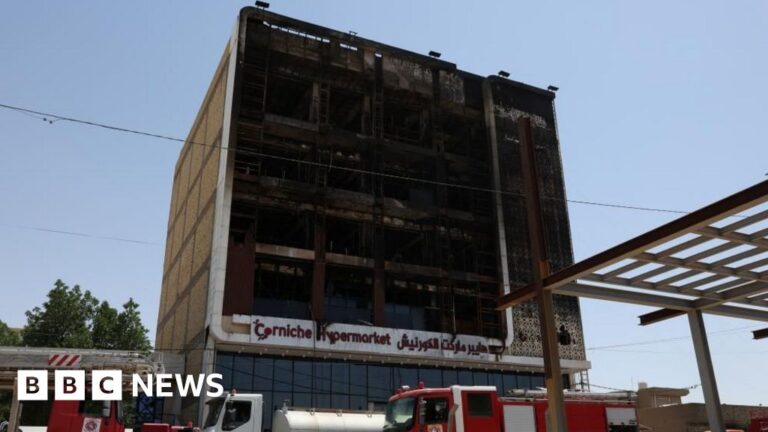
A fire that tore through a five-storey shopping centre in the Iraqi city of Kut has left at least 60 dead, officials said.

The blaze at the mall, which opened seven days ago, broke out on Wednesday night and has since been brought under control.

Social media videos showed firefighters rescuing people from the mall’s roof, but state media reported that many are still missing.

“A tragedy and a calamity has befallen us,” regional governor Mohammed al-Miyahi said, adding that legal action would be brought against the shopping centre’s owner.

The governor has also declared three days of mourning.

Videos on INA’s news channel show flames ripping through several floors of the Corniche Hypermarket in the city’s centre, as firefighters try to douse them.

Other clips circulating on social media appear to show a small number of people on the roof during the fire, as well as the burned out insides of the centre.

A number of people were rescued from the building by firefighters, al-Miyahi told local media.

Ambulances were still taking casualties to hospitals in the city, which is about 160 km (100 miles) southeast of Baghdad, at 04:00 local time.

“The tragic fire claimed the lives of 61 innocent citizens, most of whom suffocated in bathrooms, and among them 14 charred bodies yet to be identified,” the interior ministry said in a statement.

It added that 45 people were rescued from inside the building.

Nasir al-Quraishi, a doctor in his 50s, told AFP he lost five family members in the blaze.

“A disaster has befallen us,” he said. “We went to the mall to have some food, eat dinner and escape power cuts at home.

“An air conditioner exploded on the second floor and then the fire erupted and we couldn’t escape it.”

Ali Kadhim, 51, had been looking for his cousin, who is missing alongside his wife and three children, at the main hospital and the mall where rescuers were searching the wreckage.

“We don’t know what happened to them,” he said.

Moataz Karim, 45, identified the bodies of two of his relatives – one of whom began working at the mall three days ago – on Thursday morning.

“There is no fire extinguishing system,” he told AFP, as we waited for further news of a third missing relative outside the forensic department.

Iraqi Prime Minister Mohammed Shia al-Sudani expressed condolences to the families of victims in a statement.

He has also asked the interior ministry to launch an immediate investigation into the fire’s causes, as well as to identify shortcomings and “to take all necessary strict measures to prevent the recurrence of such incidents”.

The mall, which included a restaurant, opened a week ago, according to the interior ministry.

Safety standards are often poorly observed at Iraqi construction sites, which have face decades of mismanagement and corruption.

In 2023, a fire swept through a Christian wedding party in northern Iraq, killing more than 100 people.

More than 90 people died in the Iraqi city of Nasiriya after a fire in a Covid isolation ward at a hospital in 2021.

Challenging the Client

0


Client Challenge


JavaScript is disabled in your browser.

Please enable JavaScript to proceed.

A required part of this site couldn’t load. This may be due to a browser
extension, network issues, or browser settings. Please check your
connection, disable any ad blockers, or try using a different browser.

Hydrogel enhances the effectiveness of T cells in cancer immunotherapy

0

Scientists have developed a hydrogel “rest stop” that shields cancer-fighting T cells, delaying their exhaustion and boosting their killing power. This game-changing strategy could supercharge immunotherapy by giving T cells time to regroup and hit harder.

Cancer immunotherapy supercharges the body’s own immune system to attack cancer cells, often relying on immune cells called T cells. However, for the treatment to be effective, those T cells need to be in peak fighting condition and not exhausted.

While previous studies have focused on revving up flagging T cells, new research led by the Chinese Academy of Sciences (CAS) has taken a new approach. Scientists have developed a protective barrier that physically separates T cells from cancer cells, allowing the immune cells to pause before they’re exhausted and enhancing their cancer-fighting abilities in the process.

“What if we could harness the concept of physical blocking to modulate the immune microenvironment?” asked Liang Xing-Jie, PhD, the study’s co-corresponding author and a professor at CAS’s National Center for Nanoscience and Technology. “What if a controllable barrier could regulate the T cell-tumor interaction and give T cells a break to delay their exhaustion?”

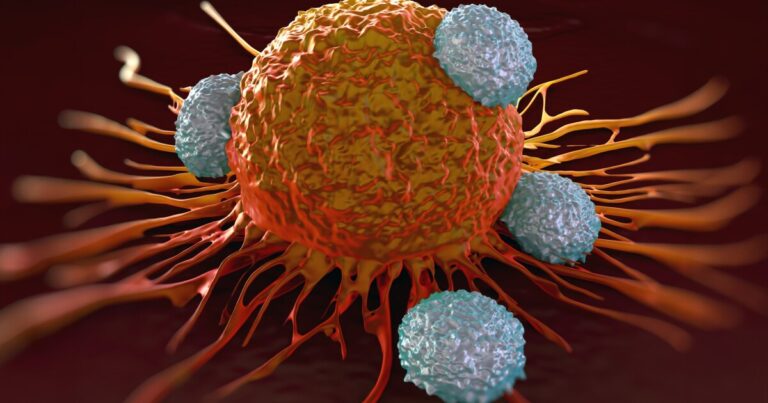
The researchers developed a biomimetic physical barrier, or BPB, using a special hydrogel that’s injected directly into the tumor. At body temperature, it transforms from a liquid into a semi-solid, effectively forming a temporary wall between T cells and cancer cells.

During this period of enforced rest, more progenitor exhausted T (Tpex) cells, a special subtype of T cells, accumulate. The term “progenitor” means the cells are early-stage or stem-like cells that haven’t fully matured yet. “Exhausted” refers to the fact that they’re part of the exhausted T cell lineage, which emerges when the immune system is constantly exposed to threats (such as tumor cells) and starts to wear out. So, Tpex cells are like army recruits that can grow into full soldiers, but haven’t fully burned out like their older counterparts.

The physical barrier allowed Tpex cells to build up safely inside the tumor without being pushed into full exhaustion by constant contact with cancer cells. When the barrier was removed, using near-infrared light to return the semi-solid gel to a liquid state, the researchers noticed that the Tpex cells were reactivated and had expanded into more potent, tumor-killing T cells. The result was a stronger, longer-lasting immune response against the cancer.

The process also led to the formation of an immune memory, which helps the body fight off the tumor if it tries to come back. When the researchers used their BPB with another immunotherapy, half of the tumors were completely cured in experimental models. The strategy also helped prevent the return of tumors and was effective against multiple tumors.

The present study has introduced a new way of thinking about immunotherapy: instead of just stimulating T cells non-stop, it gives them a scheduled break, improving their performance and longevity.

“We call this strategy ‘immunological rhythm control’,” said the study’s other corresponding author, Gong Ningqiang, PhD, a principal investigator at the University of Science and Technology of China (USTC). “By modulating the interaction between T cells and tumor cells, we intervene in the process of T cell exhaustion and preserve T cell functional activity to achieve a more effective immune response.”

Tpex cells are now seen as a key target for improving immunotherapy because they’ve been shown to respond well to treatment, and they can help by “rebooting” the immune system against cancer, even after it has started to fail. The research has also opened the door to combining the BPB technique with other cancer therapies to improve outcomes, especially in cases where traditional immunotherapies fall short.

The study was published in the journal PNAS.

Source: Chinese Academy of Sciences

Bangladesh is not aligning with China and Pakistan, despite India’s concerns | Editorial

0

On July 8, Indian Chief of Defence Staff Anil Chauhan delivered a pointed message at the Observer Research Foundation in New Delhi, raising alarms over a budding alignment of strategic interests between China, Pakistan and Bangladesh.

The general cautioned that such a trilateral convergence, if it gains traction, could have serious implications for India’s security and disrupt the regional balance of power.

His remarks came in the wake of a widely circulated photograph from Kunming, China, showing diplomats from the three nations meeting during the inaugural trilateral talks held alongside regional economic forums. While the meeting was officially billed as a diplomatic engagement, the image has sent ripples through India’s strategic community.

Bangladesh, clearly aware of the sensitivities involved, has moved swiftly to contain the narrative. Touhid Hossain, foreign affairs adviser to Dhaka’s interim government, publicly disavowed any intention of joining bloc-based or adversarial alliances. Dhaka reiterated that its foreign policy remains firmly nonaligned and anchored in sovereign autonomy.

Despite these assurances, New Delhi’s strategic calculus appears to be shifting. There is now a growing perception in New Delhi that, under the interim leadership of Muhammad Yunus, Bangladesh may be recalibrating its foreign policy, moving away from the overt closeness seen under former Prime Minister Sheikh Hasina. Under Hasina, India and Bangladesh enjoyed unusually warm ties characterised by deep security cooperation, cross-border connectivity projects and shared regional objectives. Dhaka took strong action against anti-India insurgents, gave India access to transit routes through Bangladeshi territory and generally aligned itself with New Delhi’s strategic priorities.

Whether real or perceived, this shift is influencing how India reads the regional landscape.

Chauhan also drew attention to a broader, troubling pattern: External powers – chiefly China – are leveraging economic fragilities across the Indian Ocean region to deepen their influence. With countries such as Sri Lanka and Pakistan increasingly beholden to Chinese investment and aid, concerns are mounting that Beijing is systematically encircling India through soft-power entrenchment.

Bangladesh’s case, however, remains somewhat unique. Its economy, though under pressure, is relatively resilient, and Dhaka continues to emphasise pragmatic, interest-driven diplomacy over ideological alignment. The Kunming meeting, while symbolically charged, does not yet represent a formal strategic realignment.

Still, the formation of a trilateral framework marks a significant development. Unlike previous bilateral engagements, this format introduces a new dimension of coordination that could evolve in unpredictable ways.

The echoes of history are hard to ignore. In the 1960s, China and Pakistan maintained a tight strategic axis that tacitly encompassed East Pakistan – what is now Bangladesh. That configuration unravelled in 1971 with Bangladesh’s independence.

Today, however, subtle signs suggest elements of that strategic triad may be resurfacing – this time in a more complex geopolitical theatre.

For Beijing, deepening ties with both Pakistan and Bangladesh serves its broader objective of consolidating influence in South Asia and the Indian Ocean region. For Islamabad, it provides a layer of diplomatic insulation and strategic leverage. For Dhaka, the relationship is more tactical – an attempt to hedge against regional volatility at a time when its once-stable ties with New Delhi appear increasingly uncertain.

Bangladesh’s cautious posture is also shaped by volatile domestic politics. Since the July protests and the installation of an interim administration, internal cohesion has frayed. Polarisation is resurging, and with national elections looming in early 2026, the government’s priority is stability, not strategy. Foreign policy in this climate is reactive – not transformative.

Dhaka understands the risks of leaning too far in any direction. Lingering historical resentments with Pakistan remain politically sensitive while an overreliance on China would strain crucial trade and diplomatic ties with the West, especially the United States, where concerns over democratic backsliding and human rights have sharpened.

In this context, any overt strategic alignment could invite unnecessary scrutiny and backlash.

The Kunming meeting, despite its symbolism, was primarily economic in focus – touching on trade, connectivity, infrastructure and cultural cooperation. However, when China and Pakistan floated the proposal to institutionalise trilateral cooperation through a joint working group, Bangladesh demurred. This was not indecision. It was a deliberate, calculated refusal.

Dhaka’s foreign policy has long been defined by “engagement without entanglement”. It maintains open channels with all major powers while avoiding the traps of bloc politics. This nonaligned posture is a core principle guiding its diplomacy. Bangladesh welcomes dialogue and economic cooperation, but it draws a firm line at military or strategic alignment.

For India, interpreting Bangladesh’s moves requires nuance. While Dhaka continues to broaden its international partnerships, it has not abandoned its critical role in India’s security calculus, particularly in the northeastern region. The challenge for New Delhi is not just to monitor emerging partnerships but to reinforce the value of its own.

Throughout the 2000s and 2010s, security cooperation between New Delhi and Dhaka under Hasina’s Awami League was pivotal in stabilising the border region. Bangladesh’s decisive crackdown on militant groups, coupled with close coordination with Indian intelligence and security agencies, played a crucial role in suppressing insurgent threats.

Today, with India’s ties to both China and Pakistan under severe strain, any perceived shift in Dhaka’s stance is scrutinised intensely in New Delhi. The fear that Beijing and Islamabad might exploit Bangladesh as a strategic lever to apply asymmetric pressure remains deeply ingrained in India’s security mindset.

Yet, Bangladesh’s explicit rejection of the proposed trilateral working group reveals a clear-eyed understanding of these sensitivities. It underscores Dhaka’s intent to steer clear of actions that could escalate regional tensions.

This evolving dynamic poses a dual challenge for India: It demands a recalibrated response that moves beyond reactive defensiveness. New Delhi must embrace a more sophisticated, forward-looking strategy – one that transcends old political loyalties and adapts to the shifting diplomatic contours of South Asia.

The views expressed in this article are the author’s own and do not necessarily reflect Al Jazeera’s editorial stance.

Taiwan conducts air raid simulation, cities shut down as sirens wail

0

Sirens wail, cities shut down as Taiwan simulates Chinese air raid

US announces agreement on ‘specific steps’ to halt violence in Syria following Israeli attacks on Damascus

0

Watch: How a day of bombing unfolded in Damascus

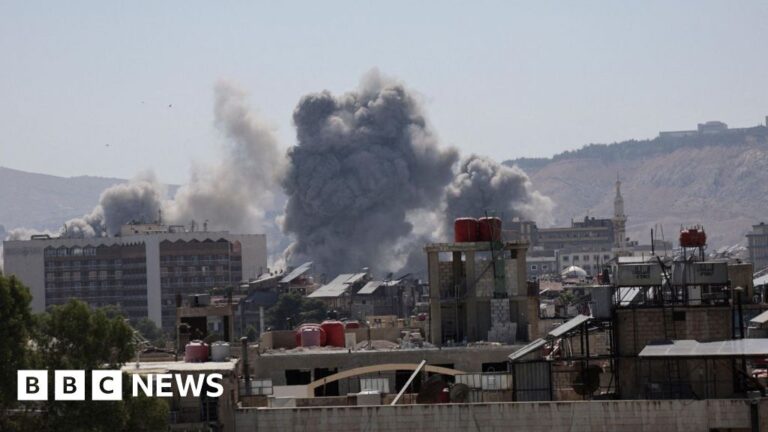
Israel’s military struck the Syrian defence ministry in Damascus and government forces in southern Syria for a third day on Wednesday, as deadly sectarian fighting in the mostly Druze province of Suweida continued.

Israel’s Prime Minister Benjamin Netanyahu said it was “working to save our Druze brothers”. Interim Syrian President Ahmed al-Sharaa accused Israel of causing a “large-scale escalation”.

More than 350 people are reported to have been killed since Sunday, when clashes between Druze militias and Bedouin tribes erupted in Suweida.

The Syrian military reportedly began to withdraw its forces from Suweida late on Wednesday, as the US said it had agreed “steps” to end the violence.

“We have agreed on specific steps that will bring this troubling and horrifying situation to an end tonight,” US Secretary of State Marco Rubio wrote on X.

Syria’s state news agency, Sana, reported that troops were leaving Suweida as part of an agreement between the government and the Suweida’s religious leaders, following the “completion of the army’s pursuit of outlaw groups”.

The Syrian foreign ministry said the country “welcomes the efforts made by the US and Arabian sides” to “resolve the current crisis” peacefully.

Israel has not yet commented on the ceasefire efforts.

The Israeli military began striking Syrian security forces and their weapons on Monday, after they were deployed to the city of Suweida for the first time since Sunni Islamist-led rebels overthrew President Bashar al-Assad in December.

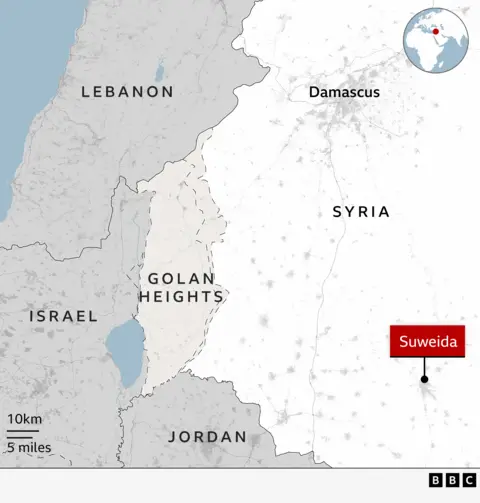
A BBC map showing Syria, Israel, the occupied Golan Heights and Suweida city

Minority groups including the Druze – whose religion is an offshoot of Shia Islam with its own unique identity and beliefs – are suspicious of Sharaa and his government, despite his pledges to protect them.

Their fears have been heightened by several outbreaks of sectarian violence over the past eight months, including one in May in which dozens of people were reportedly killed in clashes between Druze, security forces, and allied Islamist fighters in Damascus and Suweida.

In the wake of that fighting, the government reached an agreement with Druze militias to hire local security forces in Suweida province from their ranks. The continued control of Suweida by the militias sparked tensions with Bedouin tribes backed by the government.

Netanyahu has said he is committed to preventing harm to the Druze in Syria because of their deep ties to those living in Israel and the Israeli-occupied Golan Heights.

Hundreds of Druze crossed the heavily fortified frontier with Syria on Wednesday, prompting Israeli troops to fire tear-gas in an attempt to stop them. Netanyahu urged those with Israeli citizenship to “return to your homes and let the [Israeli military] take action”.

Israel said the significant escalation of its bombing campaign was aimed at making the Syrian government immediately withdraw its forces from Suweida province.

Defence Minister Israel Katz wrote on X on Wednesday afternoon that “the warnings in Damascus” had ended and that the Israeli military would “continue to operate vigorously in Suweida to destroy the forces that attacked the Druze until they withdraw completely”.

He later posted that “the painful blows have begun”, above a video clip showing a TV presenter diving under a desk live on camera as an Israeli air strike hit the nearby entrance to the Syrian defence ministry in Umayyad Square, in central Damascus – where huge crowds celebrated Assad’s downfall last year.

A separate strike on what the Israeli military called a “military target in the area” of the presidential palace underscored the severity of Israel’s warning to Sharaa.

Fadi Al Halabi, a London-based Syrian filmmaker who is visiting Damascus, said he was nearby when he heard the Israeli fighter jets approach.

“People’s faces were so afraid. Everyone started running [in] the street. No-one knew where to go. Suddenly the air strike[s] began, targeting some of the most crowded areas, including the ministry of defence,” he told the BBC.

The Israeli military said it also struck armoured vehicles loaded with heavy machine guns and weapons on their way to Suweida, and firing posts and weapons storage facilities in southern Syria.

Syria’s foreign ministry said the strikes targeted government institutions and civilian facilities in Damascus and Suweida and killed “several innocent civilians”.

“This flagrant assault, which forms part of a deliberate policy pursued by the Israeli entity to inflame tensions, spread chaos, and undermine security and stability in Syria, constitutes a blatant violation of the United Nations Charter and international humanitarian law,” it added.

The Syrian Observatory for Human Rights (SOHR), a UK-based monitoring group, meanwhile reported that the humanitarian situation in Suweida city had rapidly deteriorated.

It cited sources as saying there were clashes in several area of the city and that tanks had attacked the national hospital, causing panic among the scores of casualties from the fighting being treated there. They also said there were acute shortages of water and medical supplies.

Later, the Syrian health ministry said government forces had entered the hospital and found “dozens of bodies” after “outlaw groups withdrew”, according to the official Sana news agency.

A man named Hosam told the BBC he was in the centre of Suweida city and had witnessed civilians coming under fire from artillery and snipers.

“I lost my neighbour today on the street. One of the snipers shot him. We tried to [get an] ambulance [to take] him to hospital, but we couldn’t,” he said.

Other witnesses and local activists have described scenes of looting and extrajudicial killings.

The SOHR says more than 350 people have been killed since Sunday in Suweida province.

They include 79 Druze fighters and 55 civilians, 27 of whom were summarily killed by interior ministry and defence ministry forces, according to the group.

At least 189 members of the government forces and 18 Bedouin tribal fighters have also been killed in the clashes, it says.

It was not immediately possible to verify the SOHR’s casualty figures, but Syrian security sources also told the BBC on Wednesday that the death toll was close to 300.

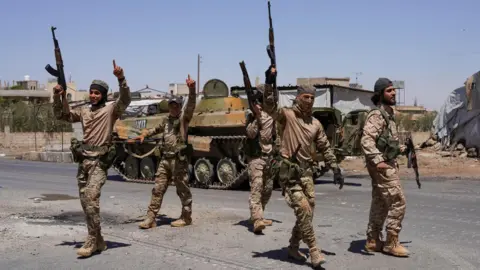
Reuters Syrian security forces celebrate by raising their rifles during clashes with Druze fighters in Suweida city, southern Syria (16 July 2025)Reuters

The Syrian interior ministry said a ceasefire had been agreed on Wednesday night to end the fighting in Suweida city

The fighting between Bedouin tribes and Druze militias in Suweida is said to have been sparked by the abduction of a Druze merchant on the highway to Damascus last Friday.

On Sunday, armed Druze fighters reportedly encircled and later seized a neighbourhood of Suweida city that is inhabited by Bedouin. The clashes soon spread into other parts of Suweida province, with tribesmen reportedly launching attacks on nearby Druze towns and villages.

Syria’s interior ministry later announced that its forces and those of the defence ministry would intervene and impose order, saying the “dangerous escalation comes in light of the absence of relevant official institutions”.

However, they were soon accused by Druze residents of looting, setting homes on fire, and humiliating community leaders.

Earlier this year, Israel’s prime minister demanded the complete demilitarisation of Suweida and two other southern provinces. He said Israel saw President Sharaa’s Sunni Islamist group, Hayat Tahrir al-Sham (HTS), as a threat. HTS is a former al-Qaeda affiliate that is still designated as a terrorist organisation by the UN and UK, but no longer by the US.

The Israeli military has already carried out hundreds of strikes across Syria to destroy the country’s military assets since the fall of the Assad regime.

And it has sent troops into the UN-monitored demilitarised buffer zone between the occupied Golan Heights and Syria, as well as several adjoining areas and the summit of Mount Hermon.

Singapore’s struggle to revive a ‘lackluster’ stock market evident in NTT DC REIT’s flat trading debut

0

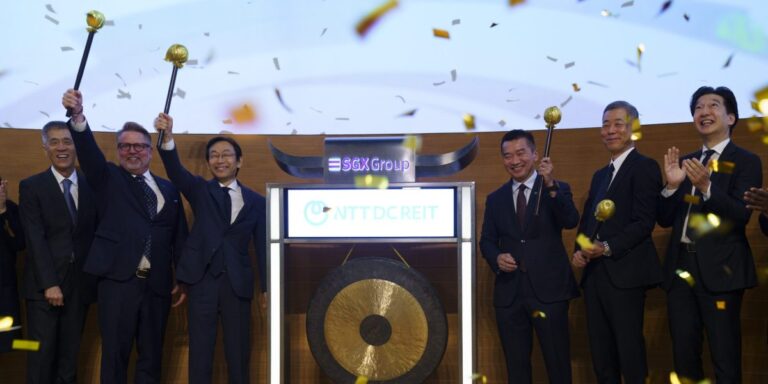
NTT DC REIT’s IPO was supposed to be a shot in the arm for Singapore’s flagging equity market, decried by analysts as “lackluster” due to its lack of growth stocks and tiny number of listings. NTT’s IPO had everything: It was oversubscribed, boasted sovereign wealth fund GIC as a cornerstone investor, and was tied to the buzzy data center sector.

Yet NTT DC REIT’s shares have done poorly since their trading debut on Monday, falling below the offer price of $1.

Hong Kong’s benchmark Hang Seng Index is up by almost 25% so far this year, while Singapore’s Straits Times Index is up by just 9%. 

“Singapore’s lack of growth oriented, tech representation in the STI has led it to trail the Hang Seng. This has led to descriptions of the market as lackluster,” Thilan Wickramasinghe, Singapore head of research at Maybank Investment Banking Group, says.

Singapore has had just three IPOs so far this year, including a July 14 listing from NTT DC REIT, whose shares started trading on Monday. Hong Kong, by comparison, has had more than 40 IPOs. 

NTT DC REIT, backed by Japanese telecoms giant Nippon Telegraph and Telephone, raised $773 million in its IPO, making it Singapore’s largest listing in eight years. By comparison, Hong Kong’s largest IPO this year was battery giant CATL’s secondary listing in late May, which raised at least $4 billion. 

The NTT DC REIT IPO was meant to give investors a way to tap into AI-fueled demand for data centers, and give Singapore’s equity market a much needed boost. Instead, it may end up showing just how much work still needs to be done. 

NTT DC Reit’s listing

NTT DC REIT consists of six data centers. Four are based in the U.S., with one in Northern Virginia—the world’s largest data center market—and three in Northern California. One data center is in Vienna, a fast-growing data center market. The last is in Singapore, the second-largest data center market in Asia-Pacific after China.

Data centers are key to running AI applications. These specialized data centers provide the computational power and digital data storage capacity that’s needed to train the ever increasingly complex AI applications. AI applications, like large language models, rely on massive amounts of data for training and operation. 

Singapore has long been a regional data center hub due to its infrastructure, lack of natural disasters, and its position as a key node for subsea cables.

Generative AI requires massive amounts of computing power, both for training and inference, which in turn has sparked a boom in data center investment. NTT hopes to capture that need for data center capacity, using the proceeds from its listing to continue growing its data center business. The company plans to develop over 850MW of capacity across the Americas, Europe, the Middle East, Africa and Asia. 

NTT estimates that total annual cloud and AI revenues are projected to grow at a compound annual growth rate of about 23% between 2024 and 2027, driven by AI-led demand.

Asia-Pacific attracted $15.5 billion in data center investments last year, more than any other region in the world according to the real estate consultancy Knight Frank.

The consultancy forecasts global capital expenditure to exceed $286 billion by 2027 as operators respond to mounting demand for AI-optimized infrastructure, cloud services, and enterprise digital initiatives. 

Singapore’s equity market

Doug Adams, CEO for NTT Global Data Centers, explained that the company picked Singapore due to its appreciation for data centers. 

“The Singapore market is a great market for data centers in general, and we believe the best market in the world for data center Reits,” Adams said in an interview on CNBC International on Monday. “In Singapore, they appreciate a global set of assets and they look for a drip feed of assets over time, which is what we’re looking to achieve for our portfolio.”

GIC, Singapore’s sovereign wealth fund, is one of the IPO’s cornerstone investors. GIC has a 9.8% stake in NTT DC REIT, making it the second largest investor after NTT.

Singapore is trying to lift the fortunes of its stock exchange, including a 20% tax rebate for primary listings. 

The country’s stock market is often criticized as boring or illiquid, with the sectors like property, conglomerates and the three big local banks dominating the SGX. Poor liquidity weakens investor sentiment, which then leads to lower valuations or even fewer listings.

While Singapore’s exchange struggles, Hong Kong’s is surging, which Wickramasinghe credits to the “DeepSeek moment” and Beijing’s pro-growth stance. 

Lorraine Tan, director of equity research for Asia at Morningstar, notes that Hong Kong’s market is also rebounding from years of poor performance, making the market “relatively cheap in valuation terms.” She adds that the surge in Hong Kong IPOs could also be due to Chinese regulators giving their approval for mainland companies to list in Hong Kong.

Recent blockbuster IPOs in Hong Kong include home appliance maker Midea Group, ice cream giant Mixue, and insurer FWD Group. Other giants like automaker Chery, AI startup Minimax, Malaysian aviation firm Capital A and fast fashion platform Shein are reportedly considering Hong Kong IPOs. 

Hong Kong is now set to be the world’s top IPO destination this year, according to S&P Global Market Intelligence Data.

Still, Wickramasinghe is optimistic that Singapore’s policy reforms should help the market “shed its lackluster image going forward.”

“The recent listing of NTT DC Reit is an early signal of returning listings. We expect this momentum to accelerate going into H2,” Wickramasinghe says.