

5 C
New York
Sunday, March 1, 2026
Home Blog Page 372

Switching Enzyme in Immune Cells Could Help Fight Obesity in Mice

0

Switching off a single enzyme in immune cells protected mice from obesity, type 2 diabetes, and fatty liver disease in a new study, offering a potential new treatment target for metabolic disorders.

The worldwide prevalence of obesity more than tripled in the nearly 50 years between 1975 and 2022, according to the World Obesity Federation. There have been countless studies on the negative effects of overweight or obesity on health. Now, a new study by researchers at Monash University, Melbourne, and Baylor College of Medicine, Texas, has identified an enzyme, CAMKK2, that, when “switched off” in immune cells, prevented diet-induced obesity, diabetes and fatty liver disease in mice.

“Obesity is linked to ongoing, low-level inflammation in key organs that control metabolism, like the liver, fat tissue and muscles, and this kind of inflammation plays a role in conditions such as insulin resistance and type 2 diabetes,” said John Scott, PhD, a senior research fellow from the Monash Institute of Pharmaceutical Sciences (MIPS) and one of the study’s corresponding authors. “It’s widely accepted that a big driver of this process is the buildup of macrophages in these organs because when the body is under stress, such as from a high-fat diet, inflammatory macrophages switch to a faster but less efficient way of making energy.”

A mouse macrophage stretches itself to engulf and consume two smaller particles, probably pathogens

Macrophages, immune cells that live in our tissues, are responsible for engulfing and digesting bacteria, dead and damaged cells, and harmful invaders like cancer cells. They can also present antigens to T cells and initiate inflammation by releasing signaling molecules called cytokines that activate other cells. The CAMKK2 (calcium/calmodulin-dependent protein kinase kinase 2) enzyme is a key regulator of energy metabolism throughout the body and coordinates these macrophage-led inflammatory responses.

In the present study, the researchers wanted to determine how the enzyme contributed to the regulation of inflammation and whole-body metabolism during diet-induced obesity. They genetically engineered mice so that they lacked CAMKK2 only in myeloid cells, the collective term for a group of immune cells that develop from bone marrow stem cells and includes macrophages, neutrophils, and dendritic cells. CAMKK2 knockout mice and normal control mice were fed a high-fat diet for several weeks. The scientists measured body weight, fat mass, energy expenditure, food intake, blood sugar and insulin responses, as well as fat and liver tissue (via microscopy), gene expression (via RNA sequencing), and macrophage metabolism.

They found that mice without CAMKK2 in macrophages resisted high-fat-diet-induced weight and fat gain. Although they didn’t eat less food, they burned more energy. These mice also had lower blood sugar and insulin levels, with much better glucose tolerance and insulin sensitivity. Additionally, their fat, liver, and muscle tissues handled sugar more effectively, and they were protected from fatty liver disease.
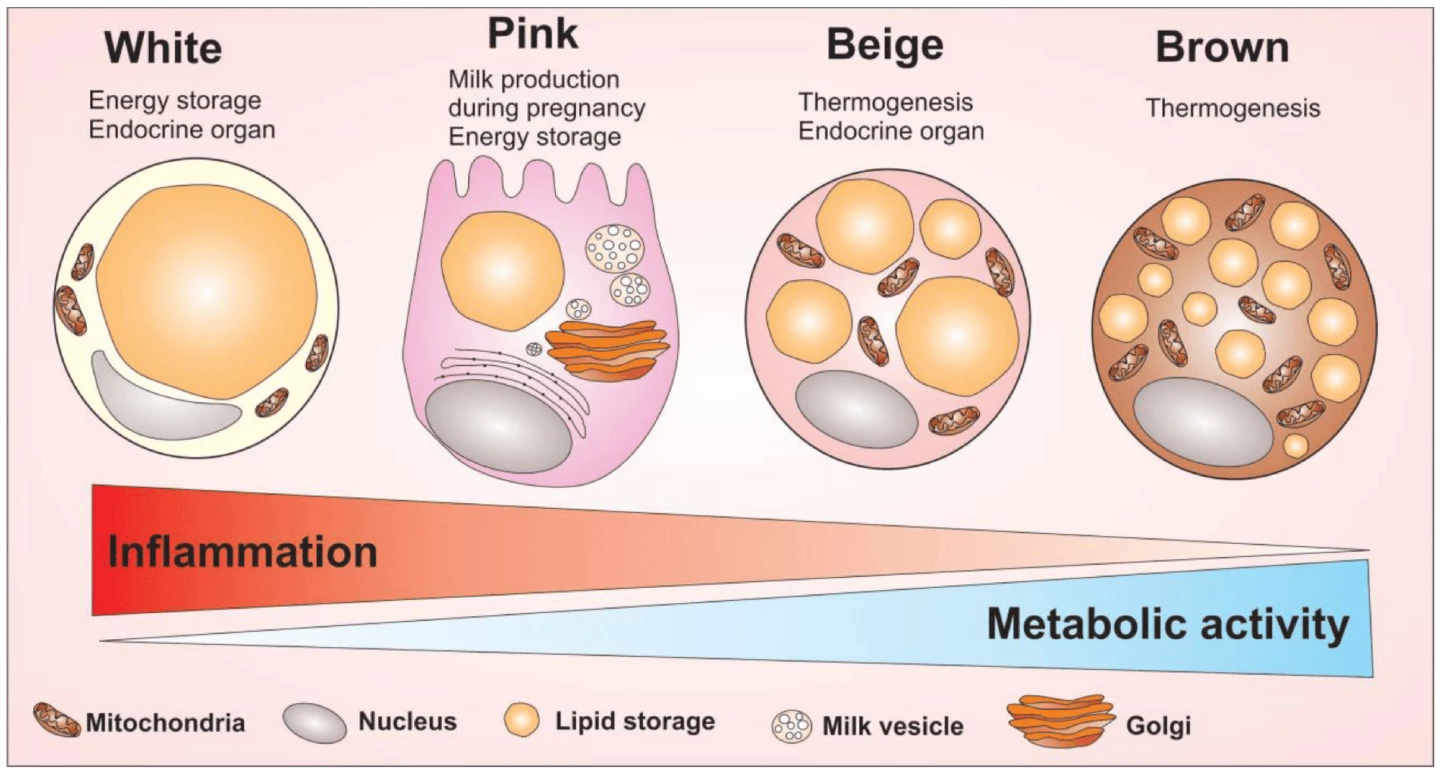
Different kinds of fat cells (adipocytes) and their activities

Normal obesity causes macrophages in fat tissue to shift toward a pro-inflammatory state, which drives insulin resistance. Without CAMKK2, macrophages had an anti-inflammatory profile, produced few inflammatory signals, and showed a preference for burning fat as fuel through increased fatty acid oxidation and improved mitochondrial function. This metabolic rewiring increased mitochondrial activity (energy production by the cells’ internal machinery) and energy efficiency. Adipose, or fat, tissue in the knockout mice was remodeled, too. It showed a “beiging” effect; gene programs that promoted fat burning and thermogenesis were upregulated.

“Our findings show that when the CAMKK2 gene is removed from certain immune cells (in this case, macrophages), fat tissue shifts its activity in a healthier direction,” Scott said. “The genes in the fat start working in ways that support better metabolism and reduce harmful inflammation.

“In short, we’ve identified that CAMKK2 has direct control of regulating immune cell and whole-body metabolism, making it a promising new therapeutic target for treating obesity and related metabolic disorders.”

The study’s main limitations include the fact the findings may not fully translate from mouse models to humans. Further, while macrophages showed more fat burning in dishes, it wasn’t directly proven that this happened to the same extent inside live animals. Also, a compound called STO-609 has been used to inhibit CAMKK2, but it is not selective enough and has poor drug-like properties, making it unsuitable for clinical use.

Putting aside these limitations, which can be addressed in future studies, the findings from the current study suggest that targeting CAMKK2 in macrophages could help prevent or reverse obesity-related insulin resistance, fatty liver, and metabolic disease. Additionally, since macrophage-driven inflammation also plays a role in atherosclerosis, infections, and some cancers, CAMKK2 inhibition could have broader benefits.

The study was published in the journal Molecular Metabolism.

Source: Monash University
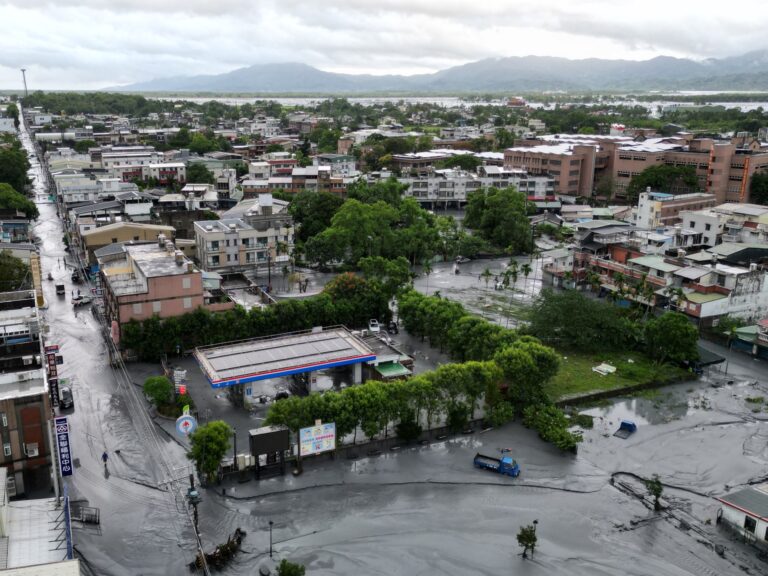
14 people killed in Taiwan by Super Typhoon Ragasa | Floods wreak havoc

0

Taiwanese authorities say 124 people are missing after barrier lake burst its banks in rural township.

Fourteen people have been killed and 124 are missing in eastern Taiwan after a barrier lake burst its banks amid heavy rains brought on by Super Typhoon Ragasa.

Most of the dead were elderly people who were unable to escape the rising floodwaters from Matai’an Creek Barrier Lake in Guangfu Township, Hualien County, the Hualien County Fire Department said on Wednesday.

Recommended Stories

list of 4 itemsend of list

Thirty-four people were injured, with rescue operations for the missing under way, the fire department said.

Taiwan’s Central News Agency (CNA) reported that the lake, which was formed by debris dislodged by previous rains, overflowed on Tuesday morning, followed by a much larger surge in floodwater at about 4:30pm local time (08:30 GMT).

Video footage shared by Taiwanese media showed fast-moving waters surging through Guangfu Township, dragging vehicles and destroying a bridge.

The CNA reported that many people took shelter on their roofs until floodwaters receded, leaving mud and debris in their wake.

Part of the bridge over Matai’an Creek lies destroyed after a barrier lake burst in Hualien on September 24, 2025 [CNA/AFP]

Super Typhoon Ragasa earlier this week swept Taiwan and its outlying islands with heavy winds and rain as it moved south.

Some parts of Hualien County on Taiwan’s rugged east coast received upwards of 700mm of rainfall, while towns in the south and east were hit by 500-600mm of rain, according to the CNA.

Taiwanese President William Lai Ching-te said in a Facebook post late on Tuesday that all government ministries and the military had been mobilised to help with the emergency response and disaster cleanup.

“Everyone must remain vigilant. All frontline disaster response personnel are urged to put their own safety first while carrying out their duties,” Lai said.

As of Wednesday morning, more than 160 flights at Taiwan’s Taoyuan international airport were cancelled, while rail lines and ferry services were suspended in some areas.

The majority of cancelled flights were short-haul hops to or from Hong Kong and Macau, which began shutting down on Tuesday in anticipation of the typhoon.

A taxi drives through a flooded area in Heng Fa Chuen caused by Super Typhoon Ragasa in Hong Kong on September 24, 2025. Hong Kong's weather service issued the highest level of typhoon warning in the early hours, as Super Typhoon Ragasa brought powerful winds and lashing rain to the southern Chinese coast. (Photo by Leung Man Hei / AFP)
A taxi drives through a flooded area in Heng Fa Chuen, Hong Kong on September 24, 2025 [Leung Man Hei/AFP]

Hong Kong’s weather authorities issued their highest typhoon warning of “T10” on Wednesday and warned of possible landslides as the storm passed 150km (93 miles) southwest of the Chinese territory.

The Hong Kong Observatory reported maximum “sustained” winds of 112-153 km/h (70-95 mph) and maximum gusts exceeding 184 km/h (114 mph) on Wednesday morning, but said the storm was departing as of 11am local time (03:00 GMT).

The HKO said that typhoon warnings would remain in place as the effects of the storm were still being felt.

“Members of the public should be on high alert and beware of destructive winds. Local weather will be persistently adverse today, with frequent heavy squally showers and thunderstorms,” the observatory said.

“Seas will be phenomenal with swells.”

Hong Kong Free Press reported that more than 700 flights would be grounded due to the typhoon.

The southern Chinese province of Guangdong has meanwhile relocated more than 1 million people in preparation for the storm to hit on Wednesday afternoon, according to China’s Xinhua News Agency.

Zebralution signs distribution agreements with independent labels 8 Head, Casa Nueve, Folded Music, and artist Bawo

0

Germany-headquartered distributor Zebralution has signed distribution agreements with three independent labels and independent artist Bawo, expanding its reach in London.

The deals include partnerships with electronic music label 8 Head, indie record label and creative studio Casa Nueve, Brighton-founded Folded Music and London-based artist Bawo.

8 Head launched as the new imprint of UK electronic producer Gerry Read, whose track It’ll All Be Over was named Pete Tong Essential Tune of the Year and who has collaborated with German producer DJ Koze.

The label focuses on curated electronic releases and plans to announce additional artist signings.

Casa Nueve operates between London and Barcelona as both a record label and creative studio.

The company develops projects for multidisciplinary artists while organizing events and community gatherings centered on music, literature and visual arts.

Its roster includes Uma, an alt-pop artist who has worked with Puma Blue, Nilüfer Yanya, Rosie Lowe and SALPA, a Catalonia-based musician blending jazz and experimental electronics.

“It’s a pleasure and a privilege to work with labels and artists who form the very fabric of the contemporary underground music community, and we look forward to playing our part in presenting their incredible music to listeners around the world.”

William Hallström, Zebralution

Folded Music, founded by Alex McCall, operates from the UK and Paris as a record label and music publisher. The company represents electronic and jazz acts including Asta Hiroki, Bon-Psy, Catch92, Fthmlss, Tristan De Liege and Woodini.

Bawo, a London-based artist, combines rap, garage, grime and soul. His 2023 project Legitimate Cause showcased his ability for pairing wordplay with melodic compositions, said Zebralution.

William Hallström, who was promoted as Head of International Business Developments at Zebralution in July, said: “It’s a pleasure and a privilege to work with labels and artists who form the very fabric of the contemporary underground music community, and we look forward to playing our part in presenting their incredible music to listeners around the world.”

Music Business Worldwide

Strongest storm of the year barrels towards China, causing Taiwan lake to burst

0

Gavin Butler,

Laura BickerGuangdong and

Martin YipHong Kong

Watch: Flood destroys bridge and makes river overflow as Super Typhoon Ragasa hits Taiwan

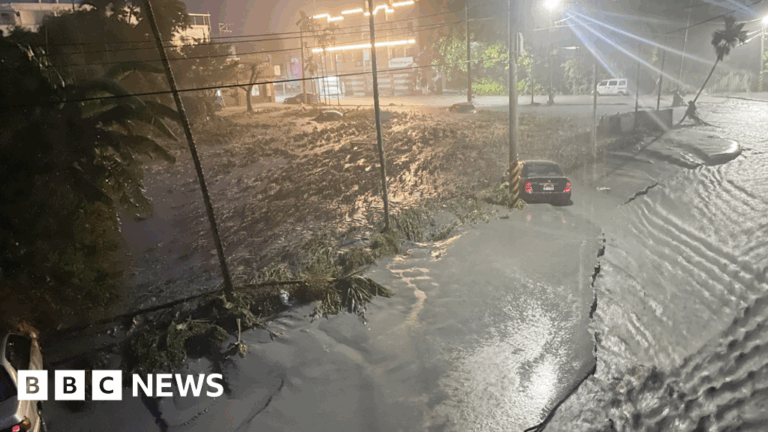
Two people have died in eastern Taiwan and scores more are trapped or missing after a super typhoon caused a mountain lake to burst its banks, fire officials said.

The barrier lake, formed by previous landslides, broke on Tuesday afternoon, sending water surging into the nearby township of Guangfu in Hualien county.

Rescuers from across Taiwan are heading to the area. Super Typhoon Ragasa is the strongest storm of 2025 and is now bearing down on China’s southern coast.

It is due to make landfall in Guangdong province on Wednesday, where some 370,000 people have been evacuated, and many schools and businesses shut. Hong Kong has upgraded its typhoon warning to level 10, the maximum level.

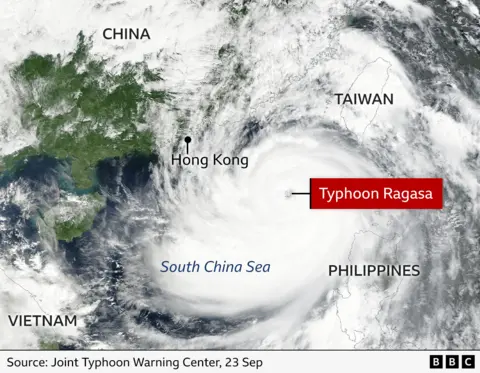
Satellite image showing typhoon Ragasa over Asia. The eye of the hurricane is marked with a red label. We can see clouds over Taiwan, the Philippines, Vietnam, China and the South China sea, as well as Hong Kong.

Ragasa – equivalent to a Category 5 hurricane – packed wind gusts of up to 285km/h (177mph) at its highest point on Monday, and has triggered warnings of floods, storm surges and landslides across the region this week.

Taiwan has been lashed by the outside edge of Ragasa since Monday. The island recorded almost 60cm (24 inches) of rain in its east due to the typhoon, Reuters news agency reported.

In Hualien county the burst lake washed away a bridge, uprooted trees and submerged cars. Video showed fast-moving water flowing through the area.

“In some places, water temporarily rose as high as the second floor of a house and was about [as high as] one floor in the town centre, where the water has been receding,” Lee Lung-sheng, deputy chief of Hualien County Fire Department, told AFP news agency.

“About 263 people were trapped and moved up to higher ground when the river suddenly rose. They are not in immediate danger, but they are very worried about the high water.”

Elsewhere in Taiwan six people were injured, ferry services suspended and more than 100 international flights cancelled as Ragasa passed through.

Getty Images A shirtless man wearing a headband and a backpack walks in front of a barricade made of sandbags in the streetGetty Images

China’s meteorological agency has issued strong warnings about Super Typhoon Ragasa, dubbing it the “King of Storms”

Chinese authorities are warning of storm surges of up to five metres. Some 370,000 people have been evacuated so far in Guangdong, as authorities warn of a “catastrophic” situation.

On Tuesday, supermarket shelves in Hong Kong were wiped empty of fresh bread, vegetables, meat and instant noodles as residents prepared to hunker down.

Hong Kong International Airport said it expected “significant disruption to flight operations” from 18:00 local time (10:00 GMT) on Tuesday until the next day.

More than 500 Cathay Pacific flights are expected to be cancelled, while Hong Kong Airlines said it would stop all departures from the city.

Ragasa has been dubbed the “King of Storms” by China’s meteorological agency and is expected to move towards northern Vietnam in the coming days, potentially affecting millions.

In cities across southern China, shop owners piled sandbags in front of their stores in preparation for the storm’s arrival, with residents in low-lying areas next to the sea front particularly worried about tidal surges.

Many have also taped up the windows of their homes and businesses, hoping to prevent their destruction.

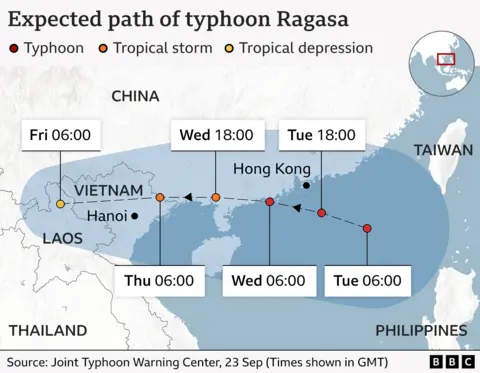
Map showing the expected path for typhoon Ragasa in Asia in the next few days. It is expected to pass through Hong Kong as a typhoon between Tuesday 18:00 GMT and Wednesday 06:00 GMT. It will keep moving west and turn into a tropical storm by the end of Wednesday, as it reaches Vietnam. By Friday at 06:00 GMT it will reach Laos as a tropical depression. Data from the Join Typhoon Warning Center on 23 September.

‘Dirty side’ of Ragasa menaces Hong Kong

Getty Images A woman stands with a bag of onions in front of a bare supermarket shelfGetty Images

Fresh food has sold out as Hong Kong residents prepare to for the storm

Although this part of southern China and Hong Kong is used to frequent typhoons, the impact this time may be worsened because of the location of the storm.

The right hand side of Ragasa – as it approaches Hong Kong and Guangdong – is know as the “dirty side” – and it is this which will hit the region. The “dirty side” can be much more destructive than the left-hand side, primarily because the motion of the storm is added to the background circulation of the typhoon.

Where these two movements combine is where the most destructive winds are found. Additionally, these winds will be pushing water inland, resulting in a bigger storm surge.

It is not yet clear exactly how much climate change has affected Ragasa specifically. But a warming world is expected to make tropical storms like typhoons and hurricanes more intense on average, according to UN scientists.

That means higher wind speeds, heavier rainfall and a higher risk of coastal flooding, although the number of typhoons across east and southeast Asia may decrease in future.

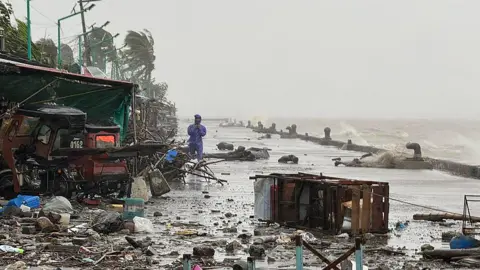
Getty Images A man in a blue raincoat stands amid rubble and debris on a sea shore that is being buffeted by wind, rain and waves. In the background are windswept palm trees.Getty Images

More than 10,000 people were evacuated in the Philippines

Ragasa also lashed through a remote island in the north of the Philippines on Monday, killing at least one person as thousands of families were evacuated before the storm made landfall.

Schools and government offices were shut in large parts of the country, including in the capital Manila.

Ragasa would “pose a serious threat” to Hong Kong, said Eric Chan, the city’s Chief Secretary for Administration, comparing it to two other typhoons which left behind trails of severe destruction.

Super typhoon Mangkhut in 2018 – to date the most intense typhoon to strike the city – injured 200 people, sank ships and wrecked infrastructure, with the weather agency estimating economic losses of HK$4.6bn ($592m: £438m).

In 2017, typhoon Hato unleashed serious flooding and injured more than 100 people in the city.

With additional reporting by Kelly Ng in Singapore, Simon Fraser in London, Mark Poynting, climate reporter and BBC Weather’s Sarah Keith-lucas

BBC Weather on Typhoon Ragasa

Challenging the Client

0


Client Challenge


JavaScript is disabled in your browser.

Please enable JavaScript to proceed.

A required part of this site couldn’t load. This may be due to a browser
extension, network issues, or browser settings. Please check your
connection, disable any ad blockers, or try using a different browser.

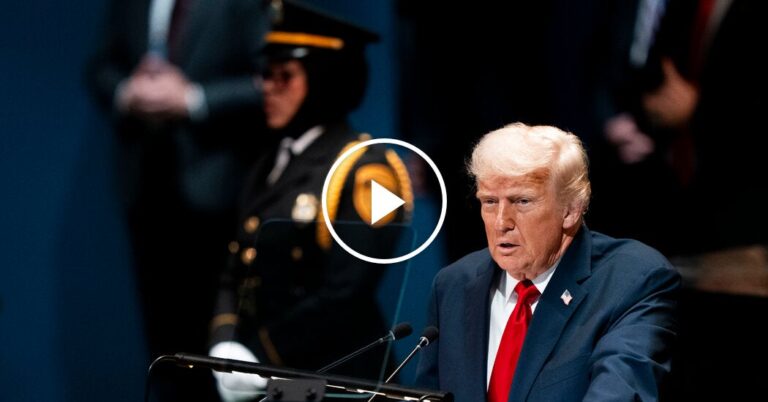
Trump Inquires About the Purpose of the United Nations

0

new video loaded: ‘What Is the Purpose of the United Nations?’ Trump Asks

transcript

transcript

‘What Is the Purpose of the United Nations?’ Trump Asks

During a meandering address, President Trump questioned whether the United Nations should exist and criticized its member states on immigration policies he claimed were ruining their way of life.

Not only is the U.N. not solving the problems, it should. Too often it’s actually creating new problems for us to solve. The best example is the No. 1 political issue of our time: the crisis of uncontrolled migration. It’s uncontrolled. Your countries are being ruined. It’s time to end the failed experiment of open borders. You have to end it now. I can tell you — I’m really good at this stuff. Your countries are going to hell. What is the purpose of the United Nations? The U.N. has such tremendous potential. I’ve always said it. It has such tremendous, tremendous potential. But it’s not even coming close to living up to that potential. For the most part — at least for now — all they seem to do is write a really strongly worded letter and then never follow that letter up. As everyone knows, I have also been deeply engaged in seeking a cease-fire in Gaza. Have to get that done, have to get it done. Now, as if to encourage continued conflict, some of this body is seeking to unilaterally recognize a Palestinian state. But instead of giving in to Hamas’s ransom demands, those who want peace should be united with one message: Release the hostages now. Just release the hostages now.

Iran and European Powers Struggle to Reach Agreement on Reinstating UN Sanctions

0

Iran, European powers struggle to reach deal over return of UN sanctions

Khamenei refuses to negotiate with US on Iran’s nuclear program | Update on Nuclear Weapons

0

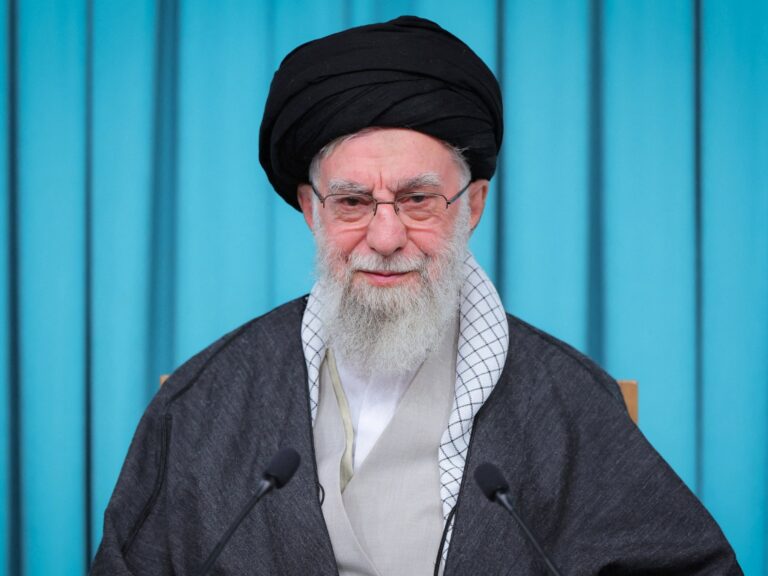
Tehran will not directly negotiate with the United States over Iran’s nuclear programme, with Supreme Leader Ayatollah Ali Khamenei calling talks with the US “a sheer dead end”, as diplomatic parleys are conducted on the sidelines of the United Nations General Assembly (UNGA).

The supreme leader’s comments on Iranian state television on Tuesday followed Minister of Foreign Affairs Abbas Araghchi’s meeting with diplomats from Germany, France and the United Kingdom – known as the E3 – as well as European Union foreign policy chief Kaja Kallas over the reimposition of sanctions, set to take place just days from now.

Resuming negotiations with the US is a key sticking point among negotiators. During his speech at the UNGA, US President Donald Trump promised that Iran would “never possess a nuclear weapon”, describing Tehran as the “world’s number one sponsor of terror”.

“The US has announced the result of the talks in advance,” Khamenei said in his recorded address. “The result is the closure of nuclear activities and enrichment. This is not a negotiation. It is a diktat, an imposition.”

It comes days after the UN Security Council (UNSC) rejected a resolution to extend sanctions relief for Iran.

The E3 have accused Tehran of breaching its nuclear commitments, including by building up a uranium stockpile of more than 40 times the level permitted under a 2015 nuclear deal, from which Trump unilaterally withdrew in 2018, during his first term.

The Joint Comprehensive Plan of Action (JCPOA) was signed between Iran and the world powers, including the US, that lifted sanctions in exchange for a cap on Iranian nuclear ambitions.

But as part of his so-called “maximum pressure” policy, Trump had reimposed sanctions on Iran in 2018. The subsequent administration of President Joe Biden continued with Trump’s policies on Iran, despite initially denouncing them.

European nations have said they would be willing to extend the deadline on sanctions if Iran resumes direct negotiations with the US over its nuclear programme, allows UN nuclear inspectors access to its nuclear sites and accounts for the more than 400kg (880 pounds) of its highly enriched uranium that the UN’s nuclear watchdog says it has.

Tuesday’s meeting on the sidelines of the UNGA does not appear to have made much progress, with Al Jazeera’s James Bays reporting that German Minister for Foreign Affairs Johann Wadephul said it “didn’t go particularly well”.

The European negotiating team needs to see “some real action” from Iran to avert sanctions, EU foreign policy chief Kallas said.

“Diplomacy has a chance. The deadlines are running, and let’s see. We need to see some real action also on the Iranian side,” she said.

Iran’s nuclear doctrine

Iran has repeatedly denied pursuing nuclear weapons, but affirmed its right to peacefully pursue nuclear energy.

Khamenei’s speech on Tuesday reaffirmed Tehran’s nuclear doctrine: Iran does not want nuclear weapons, but it will not yield to international pressure, Al Jazeera’s Tohid Assadi, reporting from Tehran, said.

Tensions escalated this in June, when Israel launched a 12-day war on Iran, with Israeli and US forces striking several nuclear facilities. The Israeli-US bombing came a day after the UN’s nuclear watchdog board ruled that Iran was not respecting international nuclear safeguards.

The UNSC voted last week not to permanently lift economic sanctions on Iran over its nuclear programme, delivering a major economic blow that Tehran claimed was “politically biased”.

That vote followed a 30-day process launched in late August by the E3 to reinstate sanctions unless Tehran met their demands.

Iran pushed back against the UNSC vote, saying the resumption of sanctions would “effectively suspend” the country’s cooperation with the International Atomic Energy Agency (IAEA), the UN watchdog.

On Monday, hardline lawmakers in Iran demanded that the country start building a nuclear bomb over concerns the resumption of sanctions could restart war with Israel.

If no diplomatic deal is found this week, the sanctions will automatically “snap back” on Saturday evening. That would again freeze Iranian assets abroad, halt arms deals with Tehran and penalise any development of Iran’s ballistic missile programme, among other measures.

All hope may not be lost, however. IAEA chief Rafael Grossi said on Tuesday that a team of inspectors was on its way to Iran, just in case the countries reach a deal and avoid the resumption of sanctions.

“Everything is possible. Where there is a will, there is a way,” Grossi said. “We have our inspectors, and inspectors are on the way, and there is the possibility to start on this work, depending on the political will of Iran.”

Five new AI data centers added to Stargate by OpenAI, Oracle, and Softbank

0

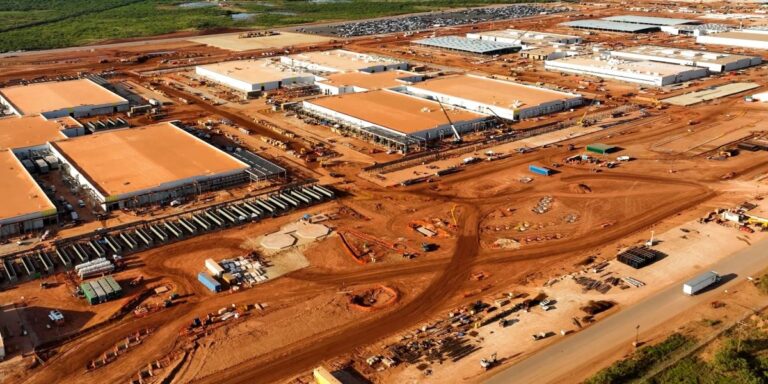
In Abilene, Texas—in the heart of what locals call the Big Country, long defined by ranching and farming and now dotted with wind turbines—OpenAI and Oracle staged a carefully crafted  media showcase on Tuesday, ushering reporters through an 800-acre data center complex packed with tens of thousands of state-of-the-art Nvidia GPUs.

The event was a victory lap of sorts, as CEO Sam Altman and Oracle’s new co-CEO Clay Magouryk pushed back against critics who have questioned the progress of their high-profile and ambitious “Stargate” AI infrastructure project

At Tuesday’s event, the two companies, joined by Japan’s SoftBank, announced a big step forward for Stargate, touting an expansion of the Abilene site, as well as plans to build five massive, new data center complexes across the U.S. over the next several years. Altogether, the initiative calls for hundreds of billions of dollars of investment in a project of a mind-boggling scale. In Abilene, alone a crew of 6,400 workers have already moved massive amounts of soil to flatten the hills, and laid down enough fiber optic cable to wrap the Earth 16 times. 

“We cannot fall behind in the need to put the infrastructure together to make this revolution happen,” OpenAI’s Altman said during a Q&A with reporters. “What you saw today is just like a small fraction of what this site will eventually be, and this site is just a small fraction or building, and all of that will still not be enough to serve even the demand of ChatGPT,” he said, referring to OpenAI’s flagship AI product.

The buildout attests to the towering expectations surrounding AI, as tech companies like OpenAI, Alphabet, Microsoft, and Meta race to put in place the infrastructure necessary to power their latest large language models. In July, Meta CEO Mark Zuckerberg said the company would spend hundreds of billions of dollars building a network of data centers with names like Prometheus and Hyperion to create “superintelligence.”

Sharon Goldman

Abilene, as well as the newly-announced data centers, are all part of the Stargate project, a half-trillion-dollar joint initiative that OpenAI unveiled in January that aims to create a nationwide backbone for training its ever-larger AI models. Stargate has been touted as a public–private partnership with the Trump administration—part of a bid to keep AI compute infrastructure in the U.S. and push projects past regulatory hurdles.

Among the guests and speakers at the Abilene event on Tuesday were Texas Senator Ted Cruz, Congressman Jodey Arrington, and local dignitaries including the mayor of Abilene and even a county judge.  Each of them emphasized Texas’ appeal as a hub for AI infrastructure. “Sam, Clay, welcome to Silicon Prairie,” Arrington said on stage, referring to the CEOs of OpenAI and Oracle.

The five new Stargate projects—in Texas, New Mexico, Ohio, and in an undisclosed Midwest location—will bring Stargate’s current pipeline to nearly 7 gigawatts and more than $400 billion in investment over the next three years. In the data center world, “gigawatts” are shorthand for how much electricity a facility can draw—and therefore how much AI compute it can deliver. A 1-gigawatt facility, for instance, requires enough substations, cooling, and transmission to sustain the power demand of nearly a million homes.

Until recently, the data center facilities owned and operated by the largest cloud computing companies—the so-called hyperscalers—topped out at a few hundred megawatts. But Microsoft and Meta have recently unveiled multi-gigawatt projects in Wisconsin and Louisiana.

And in a sign of the ever-increasing stakes in AI arms race, OpenAI and its partners promised Tuesday to reach a 10-gigawatt, $500 billion target by the end of 2025—ahead of schedule. Oracle pointed out that the campus in Abilene, Texas is already up and running on Oracle Cloud Infrastructure (OCI), continues to progress rapidly, and is on track to provide OpenAI with the “world’s largest supercluster” when fully built. 

Tuesday’s announcement included an expansion in Abilene on another site which will draw 600 megawatts – which could power roughly 450,000–600,000 homes’ worth of electricity demand — roughly four times the population of Abilene. The new projects — in Texas, New Mexico, Ohio, and in an undisclosed Midwest location — will bring Stargate’s current pipeline to nearly 7 gigawatts and more than $400 billion in investment over the next three years.

Three of the new sites will be built with Oracle, expanding a July deal to develop up to 4.5 gigawatts of capacity worth more than $300 billion over five years. Two others — in Lordstown, Ohio, and Milam County, Texas — will be developed with SoftBank, which has promised “fast-build” facilities that can scale quickly to multiple gigawatts. The five sites emerged from a January site-selection contest that drew more than 300 proposals from 30 states, underscoring how aggressively local governments courted the Stargate project.

But Stargate’s expansion is certain to draw criticism on multiple fronts. In Abilene and other communities hosting mega AI data centers, residents and activists worry about the trade-offs: billions in tax abatements, the risk of gas-fired generation worsening local air quality, and the likelihood that permanent jobs will number far fewer than the headlines suggest. National energy analysts, meanwhile, warn that multi-gigawatt campuses could strain fragile power grids and lock in huge new demands for water and fossil fuels at a time when utilities are already struggling to keep up with AI’s growth.

For example, the planned Stargate site in Dona Ana County, New Mexico has garnered mixed reactions, with opponents raising concerns about water usage and pollution, arguing these issues outweigh the economic benefits. According to a county presentation, the project will bring 800 permanent jobs and 2,500 construction jobs over three years.

OpenAI’s Stargate update came a day after its joint announcement with Nvidia, the leading AI chipmaker, which pledged to invest up to $100 billion into OpenAI’s infrastructure. Under the letter of intent, Nvidia will contribute GPU-powered systems capable of drawing up to 10 gigawatts of electricity — the equivalent demand of 7 to 10 million homes. 

During Tuesday’s press Q&A, OpenAI’s Altman that the most significant piece of Nvidia’s announcement wasn’t just the new sites but the financing model behind them. Rather than paying billions for chips up front, OpenAI will be able to spread those costs over time as revenue scales. 

“We can kind of like pay as we go, like what’s on cloud services,” he said. “The chips are a humongous percentage of the capex, and it’s harder for us to pay for that all up front, because our revenue comes in over the many months that customers run service among those chips. So that really helps projects like this.” 

But when it came to OpenAI’s energy demands, Senator Ted Cruz cast the stakes in both geopolitical and local terms. “Message number one: America will beat China in the race for AI,” he said. Message number two? “Texas is ground zero for AI,” he added. “What do you want when you’re building AI data centers? Number one, you want abundant, low-cost energy. Welcome to the great state of Texas.”

Trump says Kyiv can regain control of all of Ukraine from Russia

0

Ruth Comerford and

Anthony ZurcherNorth America correspondent

Reuters President Donald Trump meets with Ukrainian President Volodymyr Zelenskiy during the 80th United Nations General Assembly, in New York City. Zelensky wears a dark jackets and shirt, and Trump a navy suit white shirt and red tie. Reuters

US President Donald Trump has said Kyiv can “win all of Ukraine back in its original form”, marking a major shift in his position on the war with Russia.

In a post on his Truth Social platform, he said Ukraine could get back “the original borders from where this war started” with the support of Europe and Nato, due to pressures on Russia’s economy.

His comments came after talks with Ukrainian President Volodymyr Zelensky, held after Trump had addressed the UN General Assembly in New York on Tuesday.

Trump has repeatedly expressed his desire to end the war, but has previously warned that process would likely involve Ukraine giving up some territory, an outcome Zelensky has consistently rejected.

In his post, Trump added Ukraine could “maybe even go further than that”, but did not specify what he was referring to.

He also made no reference to Crimea, which was invaded and annexed by Russia in 2014. Russia launched its full-scale invasion of Ukraine in 2022.

Trump said his position had changed “after getting to know and fully understand the Ukraine/Russia military and economic situation”.

“Putin and Russia are in BIG Economic trouble, and this is the time for Ukraine to act,” he added, labelling Russia as a “paper tiger”.

Zelensky hailed the “big shift” in Trump’s position, and speaking to reporters in the UN building, said he understood the US was willing to give Ukraine security guarantees “after the war is finished”.

Pressed on what this would look like, he added “I don’t want to lie, we don’t have specific details,” but broached the possibility of more weapons, air defences and drones.

Earlier on Tuesday, following his speech to the UN, Trump also said Nato nations should shoot down Russian planes breaching their airspace, following a series of recent incursions by Russian fighter jets and drones.

Last week Estonia and Poland requested a consultation with other Nato members after Russia violated its airspace in separate incidents. Romania, another Nato member, also said Russian drones breached its airspace.

Russia denied violating Estonia’s airspace, while it insisted the Polish incursion was not deliberate and did not comment on the Romania incident.

Asked if the US would support its Nato allies if they shot down Russian aircraft, Trump said it “depends on the circumstance” and praised the military alliance for increasing defence spending.

“Nato has stepped up,” he said, referring to an agreement by leaders to ramp up defence spending to 5% of their countries’ economic output by 2035.

In his speech hours earlier, Trump criticised some Nato members for not ceasing the purchase of Russian energy, saying they were “funding a war against themselves”.

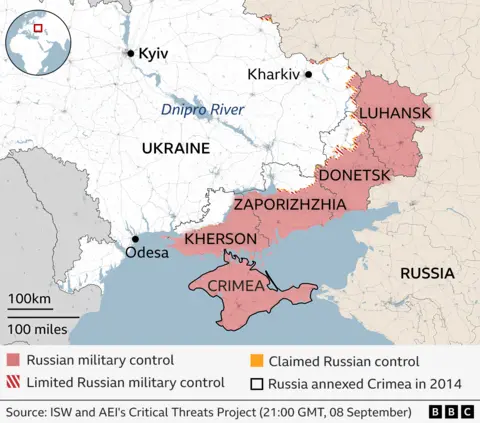
Map of Ukraine showing regions under Russian military control shaded red, limited control in red stripes, and claimed control shaded yellow as of 8 September. The regions of Luhansk, Donetsk, Zaporizhzhia, Kherson – with almost all of Luhansk shaded red and much of the other three provinces also under Russian control. Crimea which was annexed by Russia in 2014 is also are marked as under Russian control. Major cities labelled include Kyiv, Kharkiv, and Odesa. Source: ISW

Tuesday’s Truth Social post represents an about-face after Trump spent most of the year insisting that Ukraine’s situation was dire.

In February, Trump told Zelensky during their fiery Oval Office exchange that he did “not have the cards right now” to prevail against a larger, more populous nation in a war of attrition.

Before talks with Russian President Vladimir Putin in Alaska in August, Trump said he would try to get some territory back for Ukraine but warned there would be “some swapping, changes in land”.

There were reports he was planning to press Zelensky to surrender the entirety of the eastern Ukrainian regions of Donetsk and Luhansk in return for Russia freezing the rest of the front line – a proposal put forward by Putin in Alaska.

Trump has also repeatedly threatened to impose tougher measures on Russia, but has so far failed to take any action when the Kremlin ignored his deadlines and threats of sanctions.

Unpredictability has long been one of the US president’s foreign policy trademarks, and perhaps this latest move is an attempt to shake up peace negotiations that have been stagnant for more than a month after Trump hosted Russian President Vladimir Putin at a summit in Alaska.

The most notable portion of Trump’s post may be the way it ended – with an assurance the US would continue to sell arms to Nato that it could then pass along to Ukraine.

It is not the seemingly near open-ended commitment to the war effort that the Biden administration provided, but it is more than Trump seemed interested in offering at times this year.